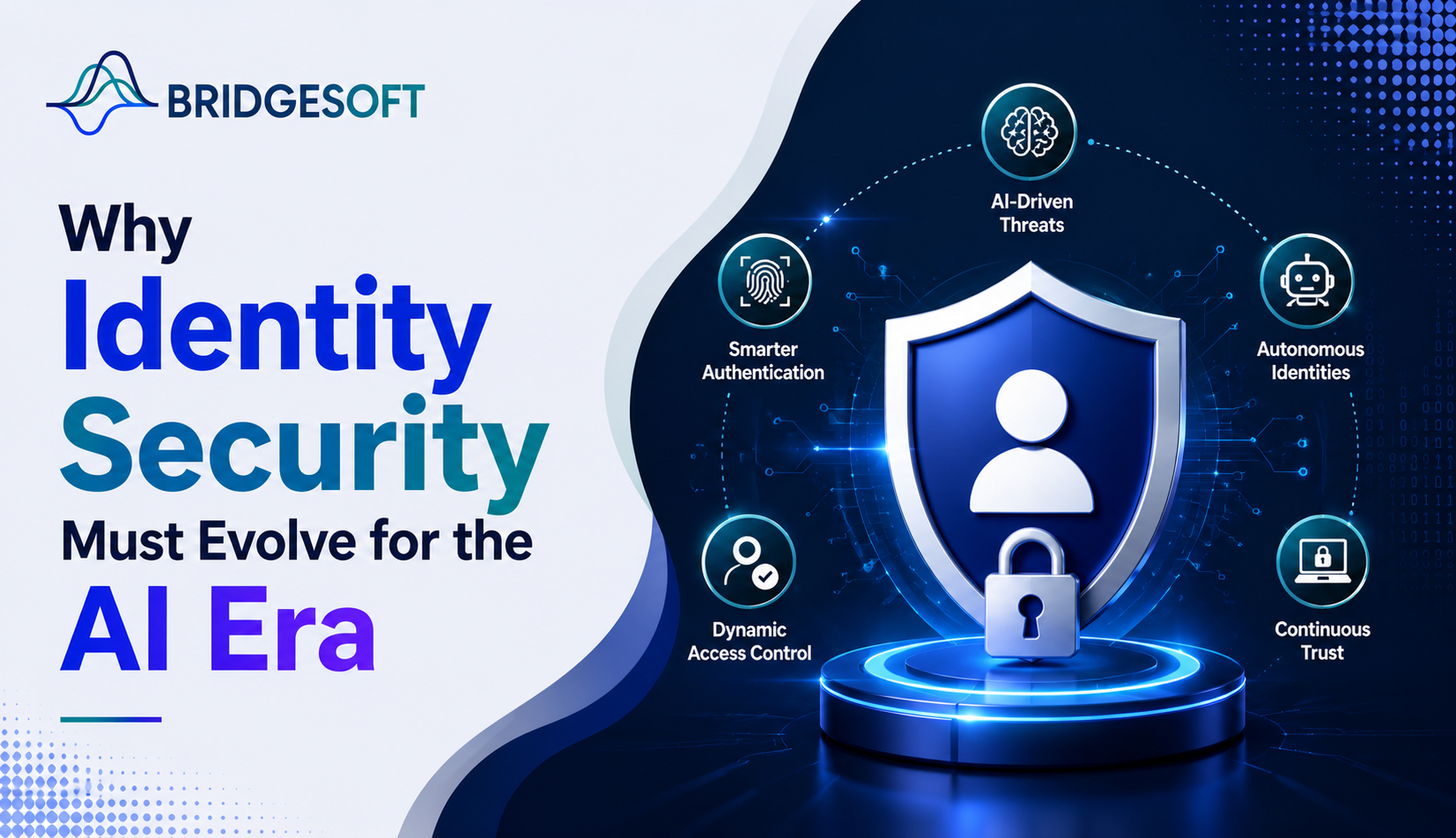
Artificial intelligence is moving into the core of how businesses operate. What started as pilots and proofs of concept is quickly becoming part of everyday work. AI assistants, autonomous agents, intelligent applications, and automation platforms now access systems, retrieve information, interact with APIs, trigger workflows, and carry out tasks that once required direct human involvement.
That shift introduces a challenge that many organizations are still working through identity security has traditionally been designed around people, while modern enterprises now also need to govern machine-driven identities such as service accounts, application identities, APIs, bots, and AI agents.
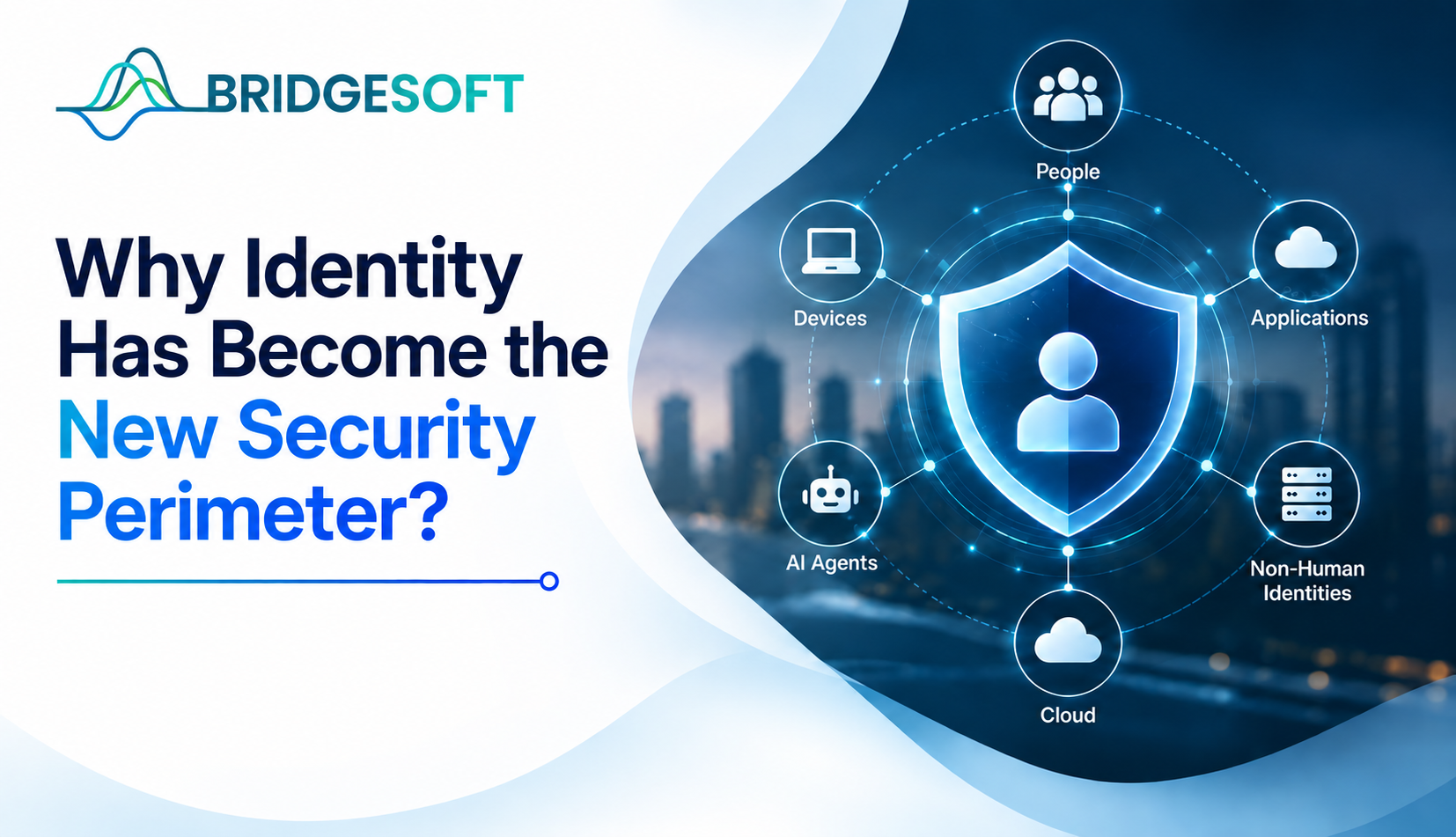
To avoid confusion, it helps to distinguish the three identity categories discussed in this article. Human identities are users such as employees, contractors, partners, and customers. Non-human identities are machine-based identities such as service accounts, application identities, APIs, bots, and automation accounts. AI agents are a newer, more autonomous type of non-human identity that can operate across systems with less direct human involvement.
For years, identity and access management focused on employees, contractors, partners, and customers. People authenticated into systems, received access based on their responsibilities, performed their work, and eventually had their permissions updated or removed.
AI agents operate differently from traditional human users because they can act continuously, connect across systems, and execute tasks with limited human involvement.
An AI agent can work around the clock, communicate with multiple applications simultaneously, pull data from different sources, invoke APIs, and initiate business processes with little or no human involvement. Existing service accounts and application identities already perform some of these machine-driven tasks, often with elevated privileges, which is why AI agents should be governed as part of the broader non-human identity landscape.
At the same time, identity-based attacks remain one of the most persistent security challenges. Microsoft reports analyzed roughly 38 million identity risk detections on average, and its Digital Defense Report found that 97% of identity attacks involved password-spray techniques. Those numbers matter in the AI era because AI agents and other non-human identities can expand the number of access paths attackers may try to exploit.
As AI adoption accelerates, organizations need to broaden their identity security programs beyond human users. Traditional IAM controls remain important, but they must now extend to AI agents, service accounts, application identities, APIs, bots, and other non-human identities from the start.
One of the biggest obstacles for security and IAM teams is visibility.
Most organizations already manage thousands, and in some cases millions, of identities spread across cloud environments, SaaS applications, databases, legacy systems, APIs, and infrastructure. Introducing AI agents into this ecosystem adds another layer of complexity.
Over time, identities tend to accumulate access.
A service account created for a specific application may still exist years later, even though its purpose has changed. An API identity may have permissions that extend far beyond what it requires. An AI agent may inherit access from an application or user account without the proper oversight needed to govern that access safely.
The result is often the same: identities become overprivileged, dormant, ownerless, or difficult to track.
This is exactly why non-human identity governance has become such an important security discipline: it provides organizations with a structured way to discover, assign ownership of, review, monitor, and control identities that are not tied to individual human users.
Organizations need clear answers to fundamental questions:
When those questions cannot be answered confidently, identity blind spots begin to emerge.
The challenge is not only the growing number of identities. It is also the speed and scale at which machine-driven identities can operate once they have access.
A typical employee may perform dozens or hundreds of actions during a workday. An automated identity, or AI agent, can execute thousands of actions in minutes, especially when connected to multiple systems.
That speed changes the risk equation.
A compromised machine identity or misconfigured AI agent can cause significant damage long before a traditional review process detects the issue. This risk becomes more severe when attackers exploit vulnerabilities to gain initial access and then use automation or AI-assisted techniques to move faster across systems.
The faster identities can act, the more important it becomes to continuously monitor and govern them.
Periodic access reviews still play a valuable role in identity governance. Managers review permissions, certify access, and remove privileges that are no longer justified.
The problem is that modern identity environments change constantly.
In today’s digital-first economy, customer identity has become one of an organization’s most valuable assets. Whether customers are accessing online banking services, healthcare portals, e-commerce platforms, or SaaS applications, they expect secure, seamless, and personalized experiences. At the same time, organizations must protect sensitive customer information, comply with evolving privacy regulations, and defend against increasingly sophisticated identity-based threats.
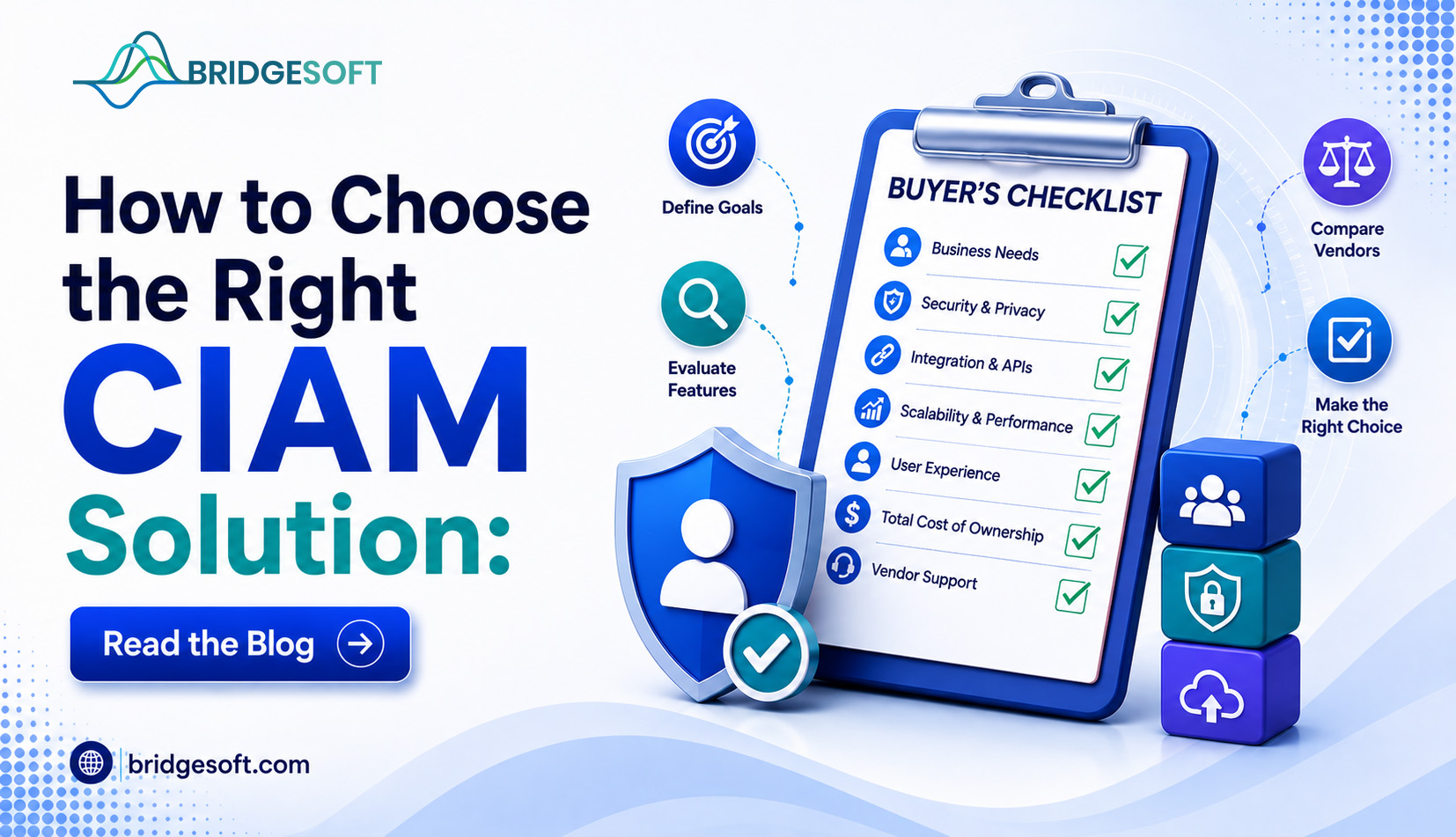
Customer Identity and Access Management (CIAM) is essential in this situation. A modern CIAM solution enables organizations to securely manage customer identities while delivering frictionless digital experiences that build trust and long-term engagement.
Unlike traditional workforce identity systems, Customer IAM is designed to manage millions of external users across websites, mobile applications, customer portals, and digital services. A poorly chosen solution can result in security gaps, customer frustration, compliance challenges, and costly future migrations.
The right platform should strengthen security without creating barriers for legitimate users. It should also support business growth by making identity management scalable, flexible, and future-ready.
1. Prioritize Customer Experience
Usability should never be sacrificed for security. Customers expect quick registration, simple login experiences, and seamless access across multiple devices.
Look for a Customer Identity Management solution that supports:
Reducing friction during authentication can improve customer satisfaction, increase user retention, and reduce abandoned registrations.
2. Evaluate Authentication and Security Capabilities
Identity attacks continue to evolve, making strong authentication a foundational requirement.
An effective CIAM solution should include:
Modern security approaches should intelligently balance protection with convenience, allowing organizations to respond dynamically to changing risk levels.
3. Ensure Scalability for Business Growth
As organizations expand their customer base, identity platforms must be able to scale without compromising performance.
Ask potential vendors:
A scalable Customer Identity Platform helps organizations avoid costly infrastructure changes as digital services continue to grow.
4. Look for Flexible Integration Capabilities
Customer identity rarely operates in isolation. It must integrate seamlessly with existing business applications and digital ecosystems.
An ideal platform should support integration with:
Organizations should also consider solutions that simplify integrations through modern APIs, standards-based protocols, and pre-built connectors to accelerate deployment.
5. Assess Privacy and Compliance Features
Privacy regulations continue to evolve across global markets. Organizations need a customer Identity Management solution that supports regulatory compliance while giving customers greater control over their personal information.
Evaluate whether the platform provides:
Strong privacy capabilities help reduce compliance risks while strengthening customer trust.
6. Consider Identity Governance and Lifecycle Management
Managing customer identities goes beyond authentication. Organizations also need visibility into how identities are created, updated, maintained, and secured throughout their lifecycle.
Look for capabilities such as:
Integrating identity governance into customer identity strategies helps organizations maintain better control over digital identities while reducing operational complexity.
7. Evaluate Vendor Experience and Long-Term Value
Technology capabilities are important, but so is the vendor’s ability to support long-term success.
Before deciding, consider:
Selecting a strategic technology partner ensures your organization can adapt as customer expectations and security requirements continue to evolve.
Beyond Features: Focus on Business Outcomes
The best Identity Management Software should not only secure customer identities but also help organizations achieve measurable business outcomes.
A well-designed CIAM strategy can:
In the end, the ideal solution should create value for businesses and their clients by coordinating security goals with business expansion.
Choosing a customer Identity and Access Management system is an important business decision that impacts security, customer experience, operational effectiveness, and future innovation. Rather than focusing solely on feature comparisons, organizations should evaluate how well a platform supports their long-term digital identity strategy.
By using a structured evaluation checklist, decision-makers can compare vendors more effectively and identify solutions that deliver both immediate value and long-term flexibility.
If your organization is currently evaluating Customer IAM platforms, having an objective framework can make the selection process significantly easier.
Download the Gartner® Buyers Guide for Customer Identity and Access Management
Selecting the right CIAM solution requires careful evaluation of security capabilities, scalability, customer experience, governance, and integration flexibility.
In today’s digital enterprise, identity is one of the most important layers of security. Organizations invest heavily in authentication, access controls, identity governance, and security monitoring to ensure that the right people have access to the right resources.
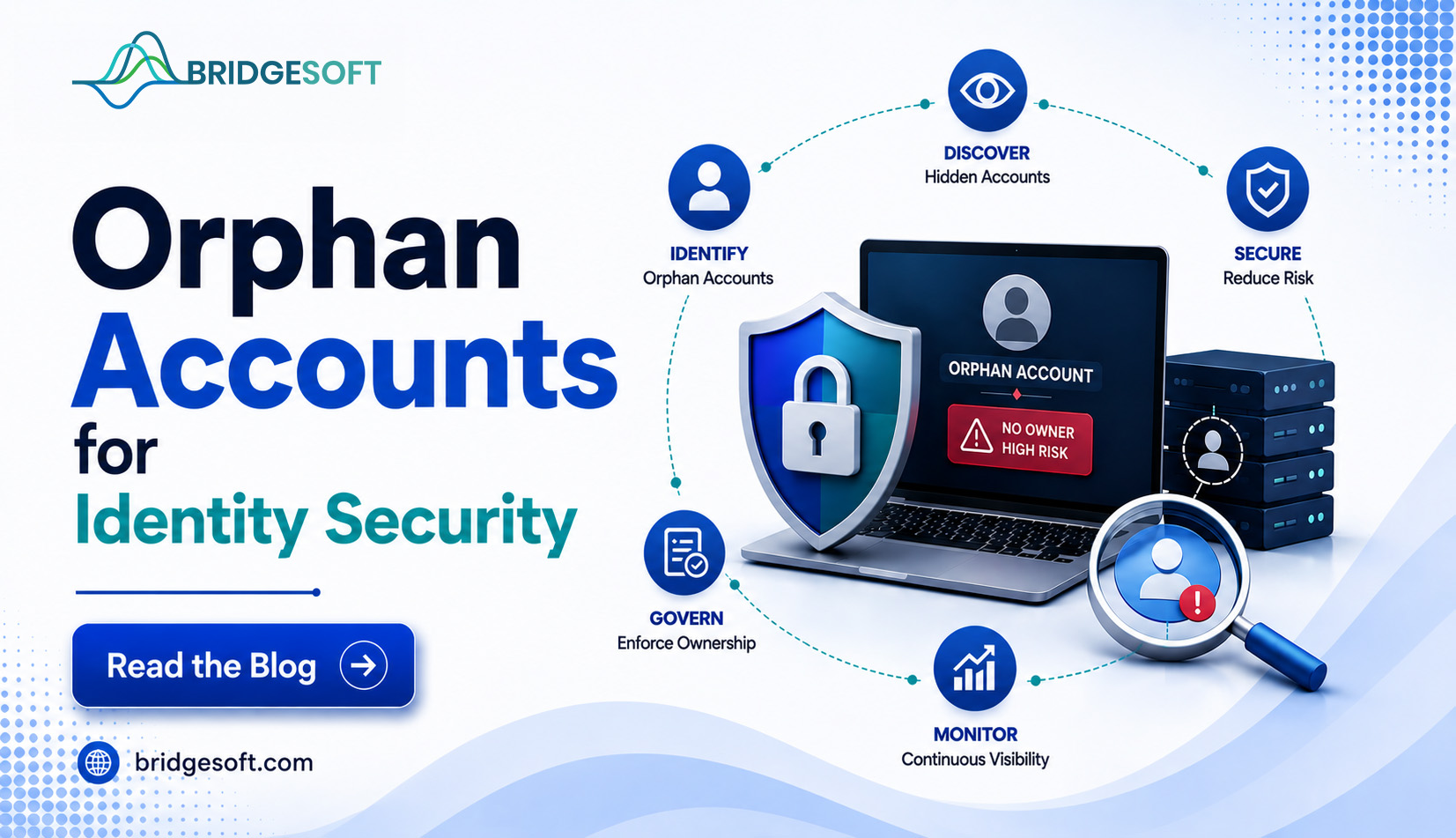
An orphan account is an active digital account that no longer has a valid owner or business justification. These accounts can remain after an employee leaves, a contractor’s engagement ends, an application is retired, or a service account is forgotten.
The real concern is that they may continue to hold access to applications, sensitive information, cloud environments, and business-critical systems without anyone actively responsible for them.
As organizations expand their digital environments, eliminating orphan accounts should become a fundamental part of a modern identity security strategy.
Orphan accounts are accounts that remain active even though their original owner is no longer associated with the organization, application, or business process.
They can appear in many forms.
An employee may leave the organization, but their application account remains active. If their credentials are valid, a contractor may finish a project. A temporary account created for a business initiative may never be removed after the initiative ends.
Beyond conventional human identities, orphan accounts can also exist. Service accounts, application identities, API credentials, and other Non-Human Identities can become orphaned when their associated applications or processes change.
Over time, these forgotten identities can accumulate across directories, SaaS applications, cloud platforms, and legacy systems.
What appears to be an inactive account can therefore become an unexpected security exposure.
Every active identity represents a potential pathway to enterprise resources.
When an account has no legitimate owner, organizations may not know whether its access is still required, whether its credentials are secure, or whether suspicious activity associated with the account is being investigated.
This creates several risks.
An attacker who obtains credentials associated with an orphan account may be able to access systems without immediately attracting attention. Because the account does not belong to an active employee, abnormal activity may also be harder to identify.
Orphan accounts can therefore contribute to:
The longer these accounts remain active, the greater the opportunity for misuse.
Eliminating unnecessary identities is therefore not simply an administrative task—it is a security control.
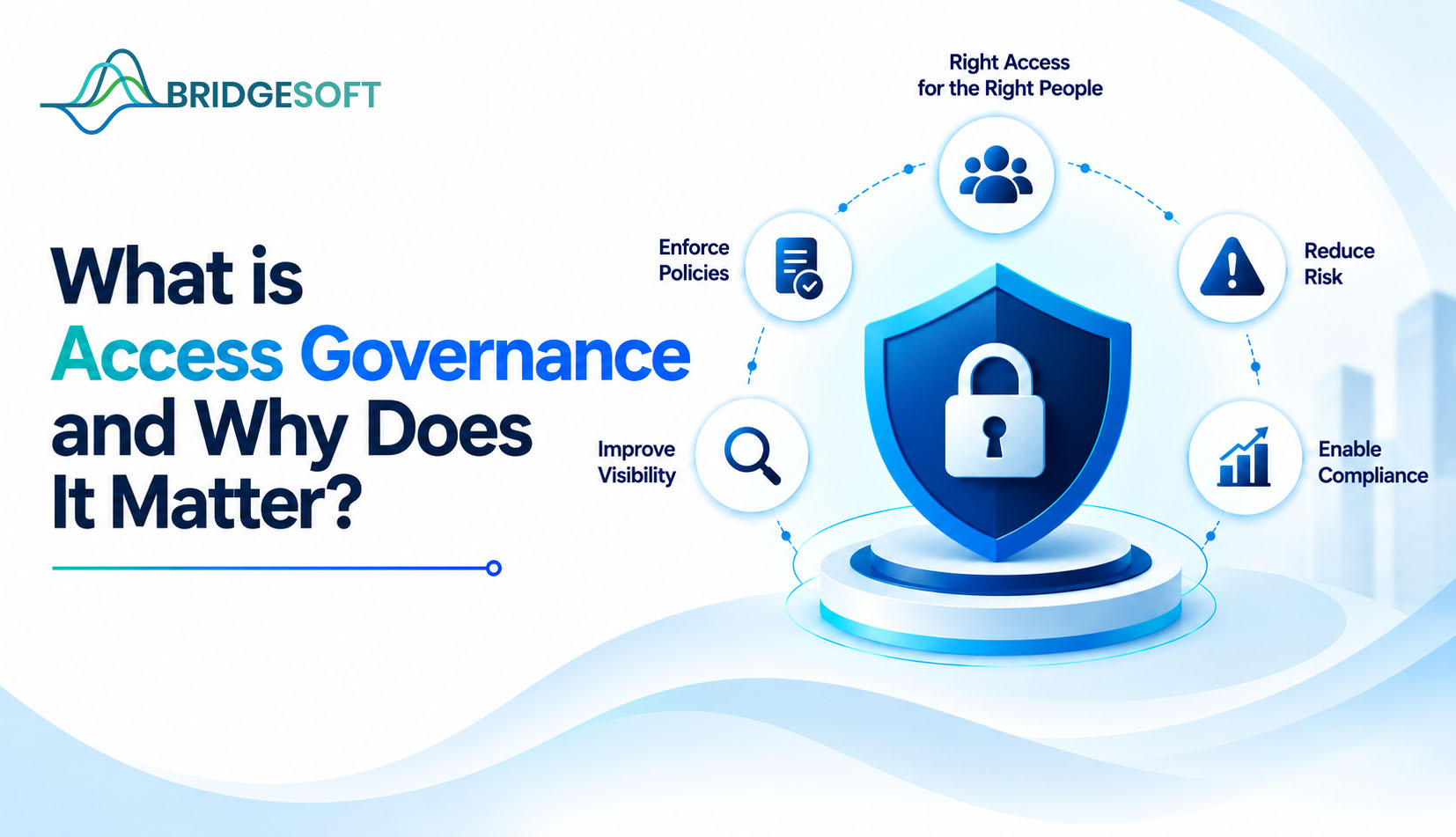
Effective Identity Governance is about maintaining visibility and control over who has access to what, why that access exists, and whether it remains appropriate.
Orphan accounts challenge all three questions.
If an account has no identifiable owner, organizations may struggle to establish business justification for its permissions. This makes access certification difficult and can create problems during security audits.
A strong governance framework should continuously identify accounts that:
By identifying these accounts and routing them through appropriate remediation processes, organizations can reduce identity risk while improving governance visibility.
The best way to eliminate orphan accounts is not to wait until they become a problem.
Organizations should build controls into Identity Lifecycle Management from the beginning.
A properly managed identity lifecycle covers the entire journey of an identity—from creation and access assignment through role changes, suspension, and eventual deprovisioning.
When an employee leaves the organization, their access should be removed promptly. When a contractor’s engagement ends, their accounts should be reviewed and disabled. Associated identities should be found and dealt with when applications are discontinued.
Automation can make these processes faster and more consistent.
Instead of relying on manual communication between HR, IT, application owners, and security teams, identity lifecycle processes can trigger appropriate access changes based on authoritative business events.
This reduces delays and significantly lowers the likelihood of accounts being forgotten.
Many organizations still depend on spreadsheets, email notifications, and periodic access reviews to identify inactive accounts.
While these processes may work at a small scale, they become increasingly difficult to manage as organizations grow.
Think of a company that has thousands of workers, contractors, apps, cloud resources, and service accounts. Manually determining which identities are still valid can quickly become overwhelming.
Manual processes can result in:
Modern Identity Access Management can help centralize identity information and automate many of these processes, giving security and IT teams greater visibility while reducing repetitive administrative work.
Cloud adoption adds another layer of complexity.
Businesses frequently use a variety of SaaS apps and cloud platforms, each with unique identities, access controls, and permissions.
Business operations are changing because of artificial intelligence. What started with virtual assistants and chatbots has evolved into intelligent AI agents capable of analyzing data, automating workflows, interacting with enterprise applications, and making real-time decisions. These autonomous systems are helping organizations improve productivity, enhance customer experiences, and accelerate digital transformation.
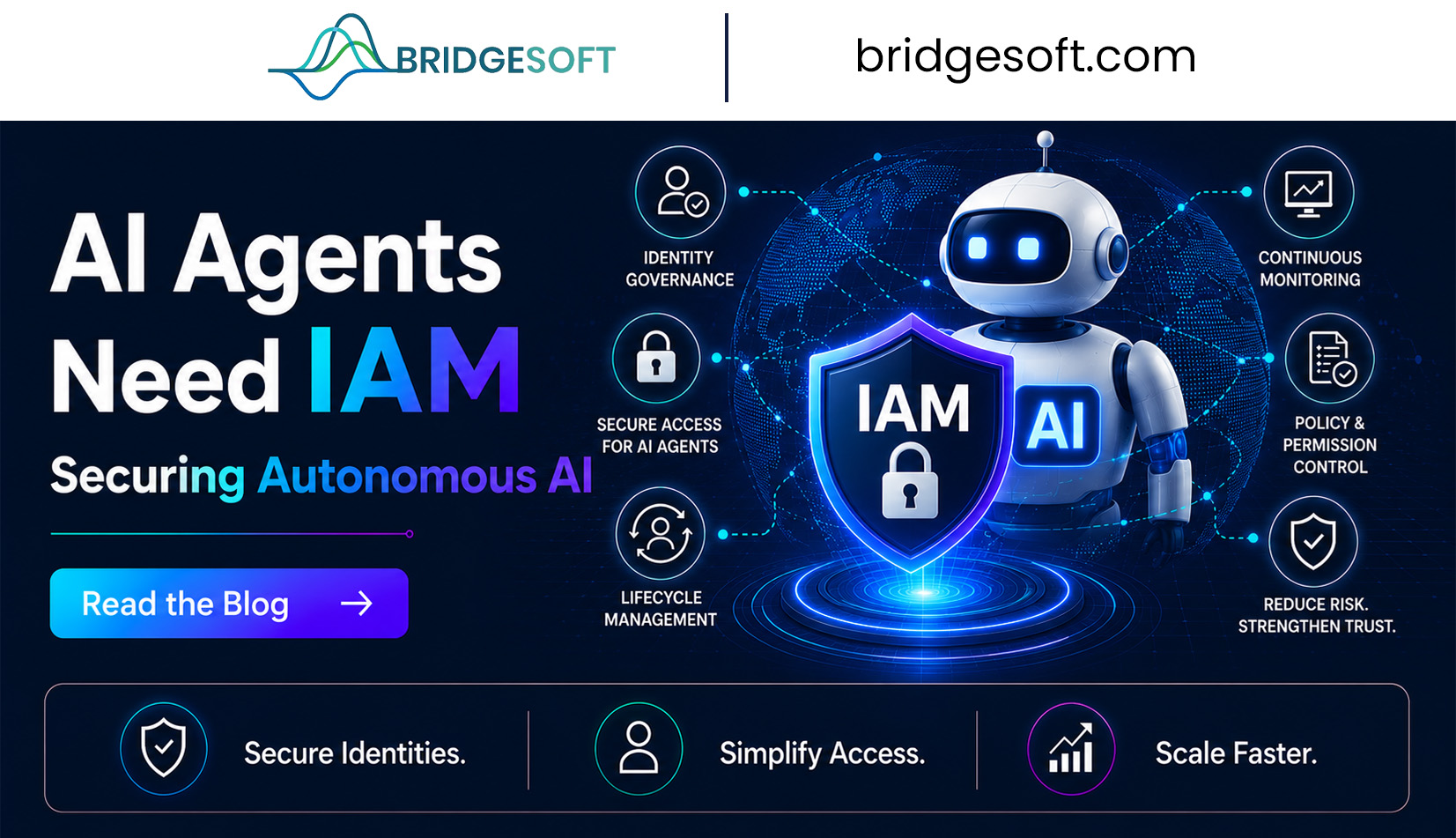
Just like employees require secure identities to access business resources, AI agents also need unique digital identities. Every AI agent interacts with applications, APIs, databases, and cloud environments. Without proper identity controls, these agents can unintentionally expose sensitive information, access unauthorized systems, or become targets for cyberattacks.
The future of enterprise AI depends on securing every identity—human and non-human alike.
Modern organizations are rapidly deploying AI agents across customer service, IT operations, finance, HR, cybersecurity, and software development. These agents can perform repetitive tasks, retrieve information, generate reports, and even execute business processes with minimal human intervention.
Unlike traditional software, AI agents operate autonomously and interact with multiple systems simultaneously. To perform these tasks, they require access to enterprise applications and data.
This makes AI agents more than software—they are Non-Human Identities that require the same level of security and governance as human users.
Without proper identity controls, organizations lose visibility into what AI agents can access, how they use enterprise data, and whether their actions comply with security policies.
[AI for Identity vs Identity for AI]
Every employee receives a digital identity before accessing enterprise resources. That identity determines authentication, permissions, and accountability.
The same principle must apply to AI agents.
An AI agent without a managed identity becomes difficult to monitor and govern. Organizations cannot accurately determine which systems it accesses, what permissions it holds, or whether it is operating within approved security boundaries.
As AI agents gain greater autonomy, unmanaged identities create unnecessary risks. A compromised AI identity could access confidential information, misuse privileged permissions, or execute unauthorized actions across multiple applications.
Assigning every AI agent a unique identity establishes accountability, improves visibility, and enables continuous monitoring.
Identity is becoming the foundation of trusted AI.
Traditional Identity Governance focused on managing employees, contractors, and partners. Today’s enterprise environment includes thousands of digital entities such as AI agents, APIs, service accounts, containers, and machine identities.
In many organizations, these Non-Human Identities already outnumber human users.
Without centralized governance, these identities often accumulate excessive permissions, outdated credentials, and unmanaged access to business-critical systems.
Organizations need visibility into:
Extending Identity Governance to AI agents helps reduce security risks while supporting responsible AI adoption.
Modern Identity Access Management (IAM) provides the security foundation needed to manage AI agents throughout their lifecycle.
Rather than treating AI as another application, organizations should onboard every AI agent as a managed identity with clearly defined authentication methods, permissions, and governance policies.
An effective IAM strategy enables organizations to:
Organizations may increase security, strengthen governance, and get centralized visibility without restricting innovation by incorporating AI agents into Identity Access Management.
As AI agents interact with business applications and cloud services, Secure Access Management becomes increasingly important.
Every AI identity should receive only the permissions required to perform its specific responsibilities. Applying the principle of least privilege minimizes the impact of compromised credentials and prevents unnecessary access to sensitive systems.
Organizations should also implement:
Secure Access Management helps organizations maintain trust while allowing AI agents to operate efficiently across enterprise environments.
Many organizations deploy AI solutions before updating their identity infrastructure. Identity security should be incorporated into all IAM deployment strategies as the use of AI increases.
Future-ready IAM deployments must support:
Designing identity security from the beginning simplifies governance, improves compliance, and reduces future implementation costs.
Organizations that modernize IAM today will be better prepared to support the expanding AI ecosystem tomorrow.
[How AI is Transforming Identity and Access Management]
Most enterprise AI platforms operate in cloud environments, making Cloud IAM Security essential. Whether organizations use AI development platforms, cloud-hosted language models, or intelligent automation services, AI agents rely on cloud identities to authenticate, access enterprise resources, invoke APIs, and perform autonomous tasks. Cloud IAM ensures these identities are authenticated, authorized, continuously governed, and protected against misuse.
Identity Access Management (IAM) has emerged as a key component of enterprise security as businesses adopt cloud computing, hybrid work, and digital transformation. However, many businesses find that IAM costs continue to rise due to fragmented identity systems, manual processes, and legacy infrastructure. While licensing is often considered the primary expense, the true Total Cost of Ownership (TCO) of IAM extends far beyond software purchases.
Organizations must focus on three crucial areas to successfully reduce IAM costs: deployment, ongoing maintenance, and upgrade costs. Businesses can save operating costs while enhancing security, compliance, and user experience by implementing a single IAM strategy, automating identity procedures, and updating identity governance.
[How to Successfully Implement IAM]
A successful IAM cost optimization strategy begins with understanding where organizations spend the most. IAM expenses typically fall into three categories:
Optimizing each of these areas helps organizations maximize their IAM investment while reducing long-term operational costs.
1. Optimize IAM Deployment Costs
Deployment is often the largest upfront investment in an IAM program. Costs can increase due to multiple IAM products, custom integrations, legacy applications, and lengthy implementation timelines. Organizations that deploy separate solutions for authentication, identity governance, and access management often face duplicated functionality and higher consulting expenses.
The most effective way to reduce deployment costs is by adopting a single IAM and Identity Governance (IGA) strategy. A unified platform simplifies integrations, eliminates redundant technologies, and provides a centralized source of truth for managing identities across cloud and on-premises environments.
A phased implementation approach also minimizes deployment risks by prioritizing high-value applications before expanding across the enterprise. Combined with pre-built connectors and standardized APIs, organizations can accelerate implementation, reduce custom development, and achieve faster time-to-value.
2. Reduce Ongoing Maintenance Costs Through Automation
While deployment is a one-time investment, maintenance costs continue throughout the IAM solution's lifecycle. Manual user provisioning, password resets, access requests, role modifications, compliance reporting, and audit preparation consume significant IT resources and increase operational expenses.
Automation is one of the most effective ways to reduce these recurring costs. Modern IAM platforms can automatically provision and deprovision user accounts, assign role-based permissions, trigger approval workflows, and manage identity lifecycle events without manual intervention.
Organizations should also implement Role-Based Access Control (RBAC) to simplify access management. By assigning permissions based on job roles instead of individual users, IT teams reduce administrative effort while ensuring employees receive appropriate access.
Additionally, centralized Identity Governance enables continuous access reviews, automated certification campaigns, and improved visibility into user permissions. These capabilities reduce compliance effort, eliminate unnecessary access, and strengthen security without increasing operational overhead.
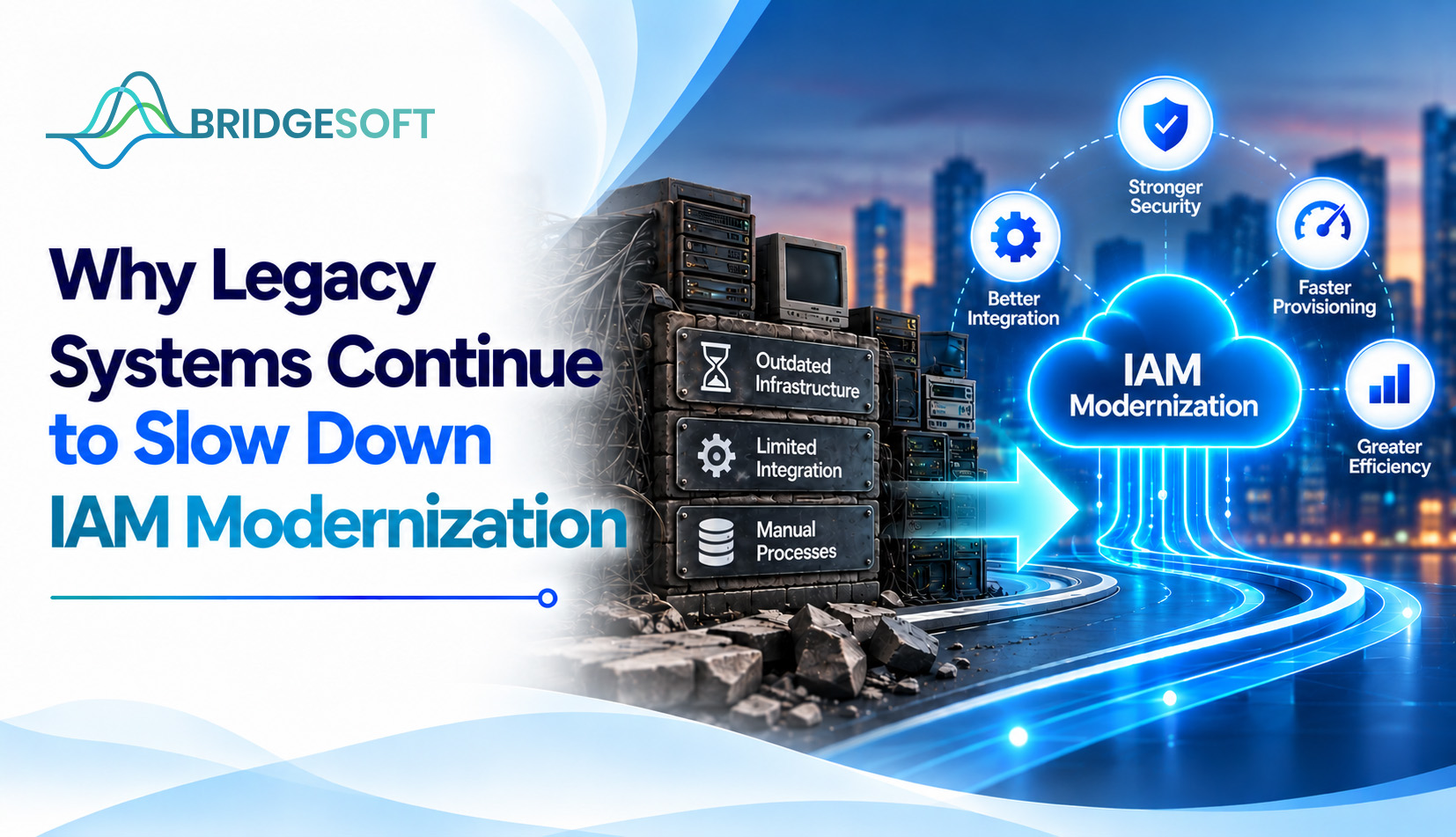
[What Slow Downs IAM Implementation in Enterprises?]
3. Lower Upgrade and Modernization Costs
Many enterprises continue to operate legacy IAM environments that become increasingly expensive to maintain. Platform upgrades often require custom coding, infrastructure refreshes, compatibility testing, and complex migration projects, resulting in higher costs and longer implementation timelines.
Modernizing with cloud-based IAM platforms significantly reduces these expenses. Cloud IAM solutions provide automatic updates, built-in scalability, and standardized integrations that simplify future upgrades while reducing infrastructure management costs.
Organizations should also adopt API-first architectures and standard connectors to minimize custom development and improve interoperability with enterprise applications. Combining several identity solutions into a single IAM ecosystem simplifies upcoming modernization projects and further lowers license, training, and maintenance expenses.
[AI for Identity vs Identity for AI]
It takes more than implementing new technology to reduce IAM costs; a comprehensive approach that balances cost savings with business results is needed.
Key strategies include:
These strategies not only reduce costs but also improve operational efficiency, strengthen compliance, and enhance the organization's overall security posture.
[How AI is Transforming Identity and Access Management]
Organizations should evaluate IAM initiatives based on both financial savings and business value.
| Optimization Strategy | Cost Benefit | Business Benefit |
| Single IAM / IGA Strategy | Reduced licensing and infrastructure costs | Centralized governance and simplified administration |
| Identity Automation | Lower operational and support costs | Faster onboarding and improved productivity |
| Role-Based Access Control | Reduced access management effort | Stronger compliance and least-privilege access |
| Cloud IAM | Lower infrastructure and upgrade costs | Improved scalability and business agility |
| Regular Access Reviews | Eliminate unused licenses and inactive accounts | Reduce security risks and improve audit readiness |
When organizations align IAM investments with measurable business outcomes, they maximize their return on investment while creating a scalable, future-ready identity ecosystem.
For many organizations, implementing an Identity Access Management (IAM) solution is no longer just a cybersecurity initiative—it is a business transformation project. As enterprises embrace cloud applications, hybrid workforces, AI-driven automation, and digital ecosystems, managing identities securely has become essential for maintaining operational efficiency and protecting critical assets.
However, the success of an IAM project depends not only on selecting the right technology but also on choosing the right IAM Deployment approach. Even the most advanced platform can fall short if it is deployed without considering business priorities, existing infrastructure, integration requirements, and future growth.
Every organization has unique operational needs, regulatory obligations, and technology environments. A deployment strategy that works well for one enterprise may not be the right fit for another. Understanding the available deployment approaches and aligning them with business objectives is one of the most important decisions organizations can make during IAM Implementation.
Understanding Modern IAM Deployment Approaches
Today's organizations have more deployment options than ever before. Some prefer cloud-based platforms that offer rapid scalability and simplified management, while others continue to rely on on-premises environments to meet regulatory or operational requirements. Additionally, many businesses are implementing hybrid designs that combine both strategies.
Rather than asking which deployment model is universally better, organizations should ask which model best supports their security goals, compliance requirements, and long-term digital strategy.
A successful Identity Access Management program should provide flexibility, scalability, and consistent governance regardless of where identities or applications reside.
Factors That Influence IAM Deployment Decisions
Selecting the right deployment approach requires more than evaluating technical features. Organizations should first understand their business environment, application landscape, and operational priorities.
One of the most important considerations is infrastructure. Enterprises operating primarily in cloud environments may benefit from cloud-native IAM platforms. At the same time, organizations with critical on-premises systems may require a deployment model that integrates seamlessly with existing infrastructure.
Business growth is another key factor. An IAM deployment should not only address current requirements but also support future expansion, mergers, acquisitions, cloud adoption, and evolving workforce models.
Security and compliance requirements are also quite important. Organizations operating in highly regulated industries often need greater visibility, stronger governance controls, and detailed audit capabilities to meet industry standards.
Choosing an approach that aligns with both business and security objectives helps reduce implementation risk while improving long-term return on investment.
Align IAM Deployment with Business Goals
One of the most common reasons IAM Implementation projects struggle is that deployment decisions are driven solely by technology considerations.
An effective deployment strategy should support broader business objectives such as improving employee productivity, accelerating onboarding, enhancing customer experiences, simplifying compliance, and reducing operational costs.
When IAM initiatives are aligned with business priorities, organizations are more likely to gain executive sponsorship, improve user adoption, and achieve measurable business outcomes.
Identity should be viewed as a business enabler rather than simply a security control.
Build Enterprise IAM for Long-Term Scalability
Modern organizations require identity platforms that can evolve alongside changing business needs.
A well-designed Enterprise IAM strategy should support employees, contractors, partners, customers, applications, APIs, and emerging machine identities through a unified identity framework.
Scalability becomes particularly important as organizations expand into new markets, adopt additional cloud services, or integrate newly acquired business units.
Choosing a deployment approach that supports future growth reduces the need for costly redesigns while ensuring identity services remain consistent across the enterprise.
Rather than solving today's challenges alone, Enterprise IAM should establish a foundation for future innovation.
Simplify Integration Across the Enterprise
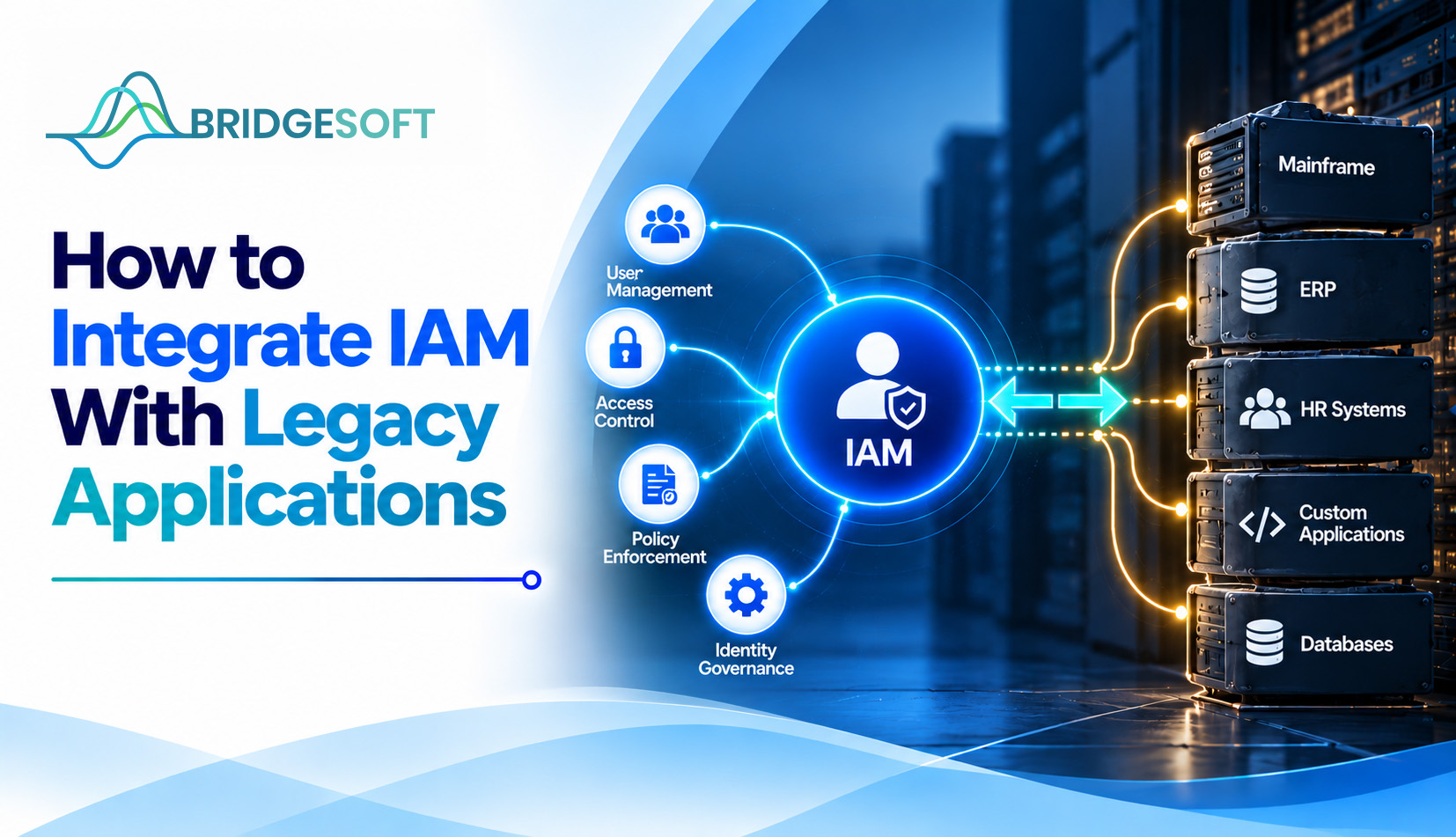
Identity environments rarely exist in isolation. Most organizations manage a combination of HR systems, ERP platforms, cloud applications, collaboration tools, customer portals, and legacy business applications.
An effective IAM deployment should simplify integration across these environments rather than add complexity.
Organizations should prioritize solutions that support open standards, flexible APIs, and scalable integration capabilities. This enables identities to flow consistently across systems while reducing administrative overhead.
Artificial Intelligence is now central to modern business, driving intelligent automation, analytics, and customer experiences as organizations integrate it throughout their digital transformation.
However, as enterprises embrace AI, a critical question emerges:
Is your identity security strategy ready for AI?
While organizations invest in AI, many still struggle with identity-related risks and fragmented access controls. AI systems need access to applications, data, cloud platforms, APIs, and processes. Without a strong foundation in identity, these technologies can introduce new vulnerabilities rather than deliver innovation.
Building an AI-ready identity security posture is now a business imperative. Organizations must ensure that all users and identities—including AI agents—are governed, monitored, and secured through a modern Identity Access Management framework.
The future of AI depends on the strength of identity security.
Why Identity Security Matters More in the Age of AI
Employee access to business apps was the main emphasis of identity management in older IT systems. Today, the identity landscape is far more complex.
Organizations now manage thousands of identities across cloud, SaaS apps, APIs, automation tools, and AI-powered systems, each requiring access to data and resources.
This presents important security considerations.
If an AI model has excessive privileges, accesses sensitive data unchecked, or uses compromised credentials, the risks are significant. Protecting only people is no longer enough—digital entities require security as well.
Identity becomes the first line of defense in safeguarding vital company assets as AI adoption accelerates.
The Growing IAM Challenges in AI-Driven Environments
Many organizations are already facing significant IAM Challenges as they expand their digital ecosystems.
Disconnected identity repositories, inconsistent access policies, manual provisioning processes, and limited visibility often create security gaps that are difficult to manage. Introducing AI into this environment can magnify these issues.
Organizations frequently struggle to answer questions such as:
Without centralized identity controls, AI initiatives can increase operational complexity and expose organizations to compliance and security risks.
Addressing these IAM Challenges requires organizations to rethink identity security as a strategic business function rather than simply an IT process.
Identity Access Management: The Foundation of AI Security
A strong Identity Access Management strategy serves as the backbone of an AI-ready security posture.
Modern IAM solutions provide organizations with centralized control over users, applications, devices, APIs, and machine identities. By establishing consistent access policies across the enterprise, organizations can ensure that only authorized entities gain access to critical systems and sensitive information.
Identity Access Management enables organizations to:
As AI systems become more deeply integrated into business operations, Identity Access Management provides the governance framework needed to maintain trust, security, and accountability.
Without a strong foundation in identity, AI adoption can quickly outpace security controls.
Strengthening Cloud IAM Security for AI Applications
Most modern AI workloads operate in cloud environments. Whether organizations are deploying AI models, consuming AI services, or integrating cloud-based automation platforms, securing identities in the cloud has become essential.
This is where Cloud IAM Security plays a critical role.
Cloud IAM Security ensures that access controls remain consistent across cloud applications, infrastructure, and services. It enables organizations to manage identities centrally while maintaining visibility into who is accessing resources and why.
For AI-driven environments, Cloud IAM Security helps organizations:
As cloud adoption continues to accelerate, identity security becomes the primary mechanism for protecting AI-powered business operations.
Organizations that invest in strong Cloud IAM Security capabilities are better positioned to scale AI initiatives without compromising security.
Building Security into IAM Deployment
Many organizations view identity projects as technology implementations. But building an AI-ready security posture requires a strategic, forward-looking approach to IAM deployment.
A successful IAM strategy must address current needs and prepare for future AI-driven workloads.
This means designing identity architectures that can support:
Focus on automation, scalability, and governance from the start. Integrate access controls into AI workflows rather than adding them later.
By incorporating security into IAM Deployment strategies, organizations can establish a foundation that supports innovation while minimizing risk.
Enabling Digital Transformation Security Through Identity
AI is frequently seen as a driving force behind digital change. However, successful transformation requires more than deploying new technologies—it requires securing them.
In today's fast-paced digital workplace, employees expect immediate access to the applications, systems, and resources they need to perform their jobs effectively. Whether organizations are onboarding new employees, managing contractors, supporting remote teams, or enabling third-party access, delays in user provisioning can negatively impact productivity, employee experience, and business operations.
At the same time, organizations must ensure that access is granted securely and consistently. Providing access too slowly can hinder business performance, while providing access too quickly without proper controls can introduce security risks and compliance concerns.
This is why User Access Provisioning has become a critical component of modern Identity Access Management strategies. The goal is no longer to create user accounts; it is to deliver the right access to the right users at the right time while maintaining security, governance, and operational efficiency.
Organizations that streamline provisioning processes gain a significant advantage by improving employee productivity, reducing administrative overhead, and strengthening their overall security posture.
Many organizations still rely on manual provisioning processes that involve emails, spreadsheets, service desk tickets, and multiple approval steps. While these methods may have worked in the past, they often create bottlenecks in modern enterprise environments.
When user provisioning is delayed, employees may spend hours or even days waiting for access to critical applications. Productivity is impacted, onboarding is delayed, frustration rises, and IT workers are under more strain as a result.
Slow provisioning can also create security challenges. Inconsistent processes often result in excessive permissions, duplicate accounts, or delayed removal of access when users change roles or leave the organization.
As organizations continue expanding across cloud and hybrid environments, traditional provisioning methods become increasingly difficult to manage at scale.
Faster provisioning starts with a well-defined Identity Access Management framework. Organizations must establish a centralized approach for managing user identities, roles, permissions, and access requests across all systems.
A modern Identity Access Management platform provides visibility into user access, standardizes provisioning workflows, and enables automation across the identity lifecycle.
Organizations may reduce multiple processes and establish a uniform user experience across business systems, cloud platforms, and applications by centralizing identity management.
A strong IAM foundation not only accelerates access delivery but also improves governance, compliance, and operational efficiency.
Automation is one of the most effective ways to accelerate User Access Provisioning.
Manual provisioning requires IT teams to create accounts, assign permissions, configure access rights, and process approval requests individually. These time-consuming, repetitive operations increase the risk of human error.
Organizations can add, edit, and remove user access in accordance with predefined business rules and policies through automated provisioning processes. When a new employee joins the company, access can be automatically assigned according to their department, role, location, or business function.
Automation helps organizations:
By removing manual bottlenecks, organizations can deliver access in minutes rather than days.
[AI for Identity vs Identity for AI]
One of the most common causes of provisioning delays is the lack of standardized access models.
Many organizations assign permissions manually, resulting in inconsistent access levels and lengthy approval cycles. Role-Based Access Control (RBAC) simplifies provisioning by grouping permissions into predefined roles aligned with business responsibilities.
Instead of assigning permissions individually, organizations can automatically grant access based on a user's role.
For example, employees in finance, human resources, sales, or IT can receive access packages tailored to their specific responsibilities.
This approach not only accelerates provisioning but also supports Secure Access Management by ensuring users receive only the access necessary to perform their jobs.
As organizations expand across multiple applications and environments, managing access separately for each system becomes increasingly complex.
An Identity Gateway provides a centralized layer that connects users, applications, and identity services. It simplifies access enforcement, authorization, and authentication in both contemporary and legacy settings.
By leveraging an Identity Gateway, organizations can streamline provisioning workflows while maintaining consistent security policies across systems.
This centralized approach reduces administrative complexity and enables faster access delivery without compromising security or compliance requirements.
Cloud adoption has transformed how organizations manage identities and access. Employees now require secure access to applications across multiple cloud environments, devices, and locations.
Imagine walking into an office building where no one knows exactly who has access to which rooms. Some employees still carry keys from previous departments, former contractors can enter restricted areas, and duplicate access cards exist without anyone realizing it. The result would be confusion, security risks, and a lack of accountability.
This scenario mirrors what many organizations experience today in their digital environments through a growing challenge known as Identity Sprawl.
As businesses adopt cloud applications, remote work models, third-party integrations, and digital transformation initiatives, the number of identities within the enterprise grows rapidly. Employees, contractors, partners, service accounts, applications, and devices all require access to systems and data. Without proper controls, these identities become scattered across multiple platforms, creating a complex web of unmanaged accounts, excessive permissions, and security vulnerabilities.
Identity sprawl is no longer just an IT challenge—it is a business risk that directly impacts security, compliance, and operational efficiency.
Identity sprawl occurs when organizations accumulate many identities across various systems without centralized visibility or governance. As new applications and services are introduced, user accounts are created in multiple locations, often with inconsistent access policies and little ongoing oversight.
Over time, employees change roles, projects evolve, and systems expand. However, access rights are rarely cleaned up at the same pace. Duplicate identities may appear across platforms, users may retain permissions they no longer want, and inactive accounts may remain active.
The result is an identity ecosystem that becomes increasingly difficult to manage, monitor, and secure.
In today's cloud-driven environment, identity sprawl has become one of the most common challenges organizations face in maintaining effective Identity and Access Management practices.
Modern organizations rely on identities to access virtually every business application and resource. As a result, identities have become one of the most attractive targets for cybercriminals.
Every unmanaged account, unused credential, or excessive permission creates a potential pathway for unauthorized access. If an attacker can compromise a valid identity, they no longer need to overcome conventional network security.
Identity sprawl increases the likelihood of:
The larger the identity ecosystem becomes, the more difficult it is for security teams to maintain control and enforce consistent security policies.
Organizations often discover these risks only after a security event or compliance audit if they don't have an organized identity management strategy.
Beyond security concerns, identity sprawl creates significant operational challenges.
IT teams frequently spend valuable time managing access requests, resetting passwords, reviewing permissions, and tracking down account ownership. As organizations grow, these manual processes become increasingly difficult to scale.
Separate identity stores and applications may be used by different departments, resulting in separation and uneven access control. Mergers, acquisitions, and digital transformation projects often introduce additional complexity by bringing new systems and user populations into the environment.
Without centralized visibility, organizations struggle to answer fundamental questions:
These challenges can quickly overwhelm security and IT teams, increasing both risk and administrative costs.
One of the most effective ways to combat identity sprawl is through strong Identity Governance.
Identity Governance provides organizations with visibility, accountability, and control over user access across the enterprise. It ensures that identities are continuously monitored, reviewed, and aligned with business requirements.
With proper governance processes in place, organizations can:
Identity Governance transforms access management from a reactive process into a proactive security strategy. Instead of simply granting access, organizations can continuously evaluate whether access remains appropriate.
This level of oversight is essential for maintaining security in increasingly complex digital environments.
As identity ecosystems grow, organizations must ensure users have access only to the resources required for their roles.
This is where Secure Access Management becomes critical.
Secure Access Management focuses on enforcing access controls that protect sensitive systems while maintaining a seamless user experience. Through centralized authentication, policy enforcement, and risk-based access decisions, organizations can significantly reduce identity-related threats.
Modern access management solutions provide features such as:
These capabilities help organizations strike the right balance between security and productivity while minimizing opportunities for unauthorized access.
Businesses can reduce their attack surface and improve overall cybersecurity resilience by implementing Secure Access Management procedures.