Imagine your phone, computer, or favorite app being compromised, wouldn’t you want an immediate solution?

Well, lucky for you, there is one! There’s a digital detective whose job is to figure out who did it, how they did it, and what they accessed. That’s what Cyber Forensics is all about, solving digital crimes by collecting and analyzing evidence from electronic devices.

Now, here’s where IAM, short for Identity and Access Management, becomes a hero:

IAM is like the bouncer at a VIP party. It decides who gets in, what rooms they can enter, and what they’re allowed to do. And when something goes wrong, IAM keeps a record of every door opened and by whom. Think of it as having a detailed guest list and security footage at every door.

This makes Cyber Forensics faster and more accurate because investigators can trace digital footprints back to specific users or actions. Meaning that we are able to let you rest, knowing that you’re safe.

So in today’s world of constant digital threats, IAM isn’t just about security. Let’s imagine a scenario together so that you will know what to do in a situation where Cyber Forensics is needed. Because IAM is also about catching criminals.

You have just received an email from our cybersecurity team, telling you and the team to be cautious in opening suspicious emails or answering any call that requests us to log in to the link(s) that they provide. 

Everyone began to question what was happening and found that there was a threat actor (TA) attempting to impersonate an IT support personnel, asking employees to log in to a link in order to get their user ID and password, also known as a user's login credentials. 

The TA can use the login of whoever falls for the trick and get confidential company information. We were all relieved to find that our identity and access management (IAM) security awareness program was able to save the company from the cyber attack. 

So, what exactly happened? The TA was able to convince one employee to create a login, hence getting access to their credentials. The TA then tried to log in to our company’s application from his device, in which he was prompted to use two-factor authentication. 

The user was told to give him the authentication code which raised a red flag. It is 

known that people are not meant to share the code with anybody especially for something important. The user immediately hung up and reported the incident to our security team…

This is known as an outsider threat, which happens when a person outside of a secure system manages to get in and essentially steal, change or block access to data. 

However, companies must also be wary of the people on the inside, individuals within the system who misuse their access. IAM systems enhance digital forensics by monitoring user access, enforce stricter controls, and strengthen security overall.

IAM and Cyber Forensics play hand in hand together, and with this example above, it’s clear it’s more common than we think.

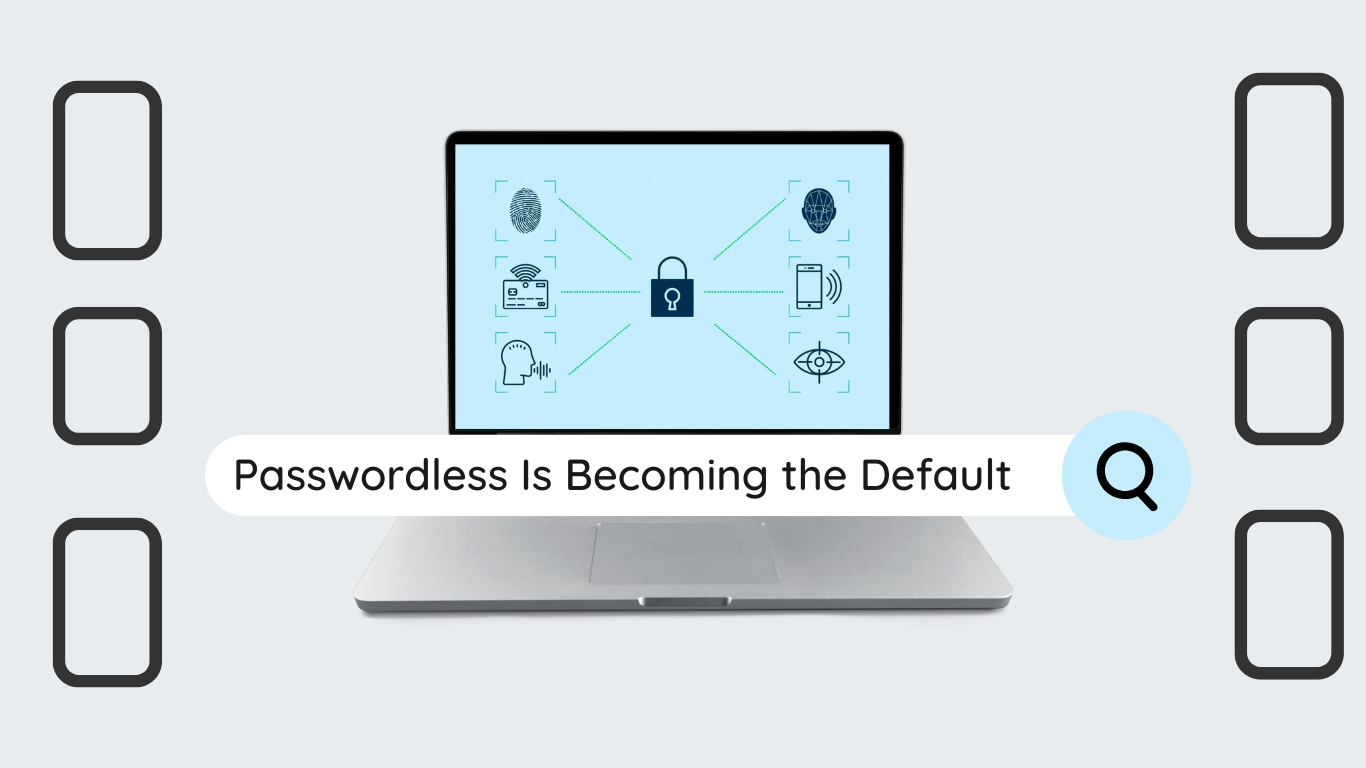
Every time you log into your email, swipe your access card at work, or even unlock your phone with Face ID, IAM is quietly working in the background. It’s making sure you are really you, and that you’re only accessing what you’re supposed to.

But when something goes wrong, like a data breach or unauthorized access, Cyber Forensics steps in. And thanks to IAM logs and records, investigators can follow the digital breadcrumb trail. They can pinpoint who accessed what, when, from where, and even what device they used.

This partnership is crucial, especially today when cybercrimes are becoming more sophisticated. Without IAM, forensic experts would be digging through a digital haystack without a clue. But with IAM? It’s like turning on the lights in a dark room.

Together, IAM and Cyber Forensics don’t just help respond to attacks, they help prevent them, by tightening access controls and spotting unusual behavior before it becomes a bigger problem.

So the next time you log in somewhere or get asked to verify your identity, remember: that tiny inconvenience is actually part of a much bigger system working to keep you, and your data safe.

In today's dynamic business environment, efficient Identity and Access Management (IAM) is critical for both security and operational success. By streamlining user lifecycle management, automating tasks, and enforcing least privilege principles, organizations can minimize risk, improve productivity, and gain a competitive advantage.

Automating user provisioning, de-provisioning, and access certifications reduces manual effort and minimizes human error. This streamlined approach enhances security and improves overall efficiency by eliminating unnecessary access requests and approvals.

Robust analytics and reporting capabilities provide valuable insights into user behavior and potential security threats. This data-driven approach enables informed decision-making, continuous process optimization, and a strong return on investment for your IAM strategy.

Five Real-World Examples of How IAM KPIs Improve Efficiency:

1. Reduced Time to Onboard New Employees:

2. Enhanced Security and Reduced Risk:

3. Improved User Experience:

4. Optimized Resource Allocation:

5. Accelerated Business Decision-Making:

The digital age demands a flawless Identity and Access Management (IAM) strategy. Businesses today rely on Okta, a leading IAM solution, to safeguard access and data across their ecosystem. But for maximum impact, Okta needs a bridge to connect it seamlessly with your existing workflows and applications. That's where Bridgesoft steps in.

We are integration specialists, and our expertise lies in bridging the gap between Okta and your business-critical systems. This powerful combination unlocks a future-proof IAM strategy that not only bolsters security but also streamlines operations and user experience.

Trending Topics in IAM: Charting the Course for Success

The IAM landscape is constantly evolving. Here are some of the hottest trends to consider when crafting your IAM roadmap:

The Bridgesoft + Okta Advantage: A Symbiotic Security Solution

By integrating Bridgesoft with Okta, you unlock a future-proof IAM strategy that delivers:

Bridge the Gap to a Secure Future

At Bridgesoft, we understand the critical role of a robust IAM strategy. Our integration experts can bridge the gap between your existing systems and Okta, empowering you to secure your digital landscape, optimize workflows, and unlock the full potential of your workforce.

Contact us today for a free consultation and discover how Bridgesoft can help you build a future-proof IAM strategy with Okta.

In the dynamic realm of modern business operations, cloud computing's transformative potential is accompanied by the intricate challenge of managing identities. This article explores the complexities arising from cloud environments, spotlighting the critical role of identity control in navigating this digital landscape.

Amidst the myriad benefits of cloud adoption, the need for strategic solutions becomes evident. Effective identity governance emerges as the linchpin for businesses seeking resilience in the face of cloud complexity, underscoring the importance of a cohesive approach to identity management.

Grasping Cloud's Complexity

As businesses gravitate towards cloud infrastructures, the beauty of flexibility also brings in a layer of intricacy. The array of cloud services, coupled with hybrid and multi-cloud setups, amplifies the complexity. In this digital evolution, ensuring seamless and secure access has become a puzzle we need to solve.

Essence of Identity Control

At the heart of it, identity control revolves around safeguarding critical assets by managing user access and permissions. In the cloud landscape, where traditional boundaries vanish, identity becomes the cornerstone. Effectively managing identities is the key to preserving the confidentiality, integrity, and availability of data.

Challenges in Managing Cloud Identities

1. Dynamic Workloads

Cloud environments are dynamic, allowing workloads to pirouette from one corner to another. Traditional identity management struggles to keep up, potentially leaving gaps in access control and compliance.

2. Integration Tango Across Platforms

Hybrid and multi-cloud setups demand a coordinated dance across platforms. The challenge lies in orchestrating identity management tools seamlessly to maintain a unified approach without compromising on security.

3. The Art of Granular Access

Growing organizations need granular control. Assigning and revoking permissions at a fine-grained level demands a precision that traditional identity management finds a bit challenging.

4. The Compliance Jazz

Regulatory compliance is non-negotiable. Yet, the dynamic cloud environment demands continuous monitoring and real-time adjustments, a task that traditional solutions often find like playing a musical instrument without the right notes.

Navigating with Identity Governance Solutions

1. Monitoring Real-Time

Identity governance solutions with robust analytics offer a front-row seat to user activities across cloud platforms. This real-time visibility lets organizations spot potential security threats before they take center stage.

2. Harmony in Identity Orchestration

Advanced identity governance solutions can orchestrate identity management across diverse cloud platforms. This harmonious approach streamlines administrative efforts, ensuring consistent control and adherence to security policies.

3. Role-Playing for Security

Implementing Role-Based Access Control (RBAC) within identity governance frameworks addresses the challenge of granular access. Associating roles with specific permissions allows organizations to keep the security dance in rhythm with operational efficiency.

4. Automating the Compliance Waltz

Identity governance solutions automate compliance management, offering continuous monitoring and instant responses to deviations from regulatory requirements. This not only ensures adherence but also reduces the burden on compliance teams, making the compliance dance a bit more effortless.

Finding the Path Forward

In the maze of cloud complexity, organizations can find solace in advanced identity governance solutions. As the digital landscape evolves, investing in a strategic identity control framework becomes a proactive measure to mitigate risks and ensure a resilient security posture.

In conclusion, the dance between cloud complexity and identity control presents both challenges and opportunities. Embracing advanced identity governance solutions empowers organizations to not only navigate these challenges but also waltz through the full potential of cloud technologies securely. As the digital transformation unfolds, the role of identity governance emerges as the guiding partner for sustainable and secure cloud operations.

As your organization navigates the complexities of cloud computing and identity management, consider partnering with Bridgesoft for comprehensive solutions. Our expertise in identity governance empowers businesses to streamline operations, enhance security, and ensure regulatory compliance in the cloud. Contact us today to embark on your journey towards a resilient and secure digital future.

Identity access management (IAM) is a key component of an organization's digital transformation strategy. It enables organizations to protect their data and assets from cybersecurity threats by providing controls, processes, and policies that ensure the rights of users are protected.

What is identity and access management?

Identity and access management (IAM) is the process of managing user access to resources. It's a subset of identity and access management, which is also known as IAM. The term "access" refers to how you can get something—in this case, your identity—and what type of access you have: read-only or write-only.

The concept of IAM is based on two key ideas: firstly, that there are two different types of knowledge; secondly, that we need more than one way we can share information between systems so they can work together effectively.

According to a Gartner Research report, the global IAM market size grew from $5.04 billion in 2015 to $5.25 billion in 2016.

The market is forecast to grow to 34.52 billion USD by 2028, which means that it's growing at a fast pace and is one of the most lucrative areas in information security today. Source: Fortune Business Insights.

With this being said, businesses need to make sure they're able to protect their users' identities because if they don't do so then they're going against their interest while also exposing themselves as well as their business partners (or even customers) who may not want any harm coming towards them due to identity theft issues caused by hacking attacks against companies like yours.

The report forecasts the global IAM market size to reach nearly $ 34.52 billion by 2028.

Several factors contribute to this growth which includes:

Key reasons for the growth of the global IAM market are increasing demand for cloud-based, mobile and social technologies, SaaS applications, identity access management as a service, and identity governance and administration.

The global IAM market has grown from $6.5 billion in 2016 to $7.2 billion by 2021, at a Compound Annual Growth Rate (CAGR) of 5%. The primary drivers for growth are increasing demand for cloud-based, mobile and social technologies, SaaS applications, identity access management as a service, and identity governance and administration.

The use of cloud-based, mobile and social technologies is increasing due to the rise of digital transformation initiatives across industries such as banking & finance; healthcare; retail/business enterprise automation, etc., which require organizations to develop new ways of doing business. This has resulted in the need for an effective way to manage employee accounts while also maintaining regulatory compliance requirements such as Sarbanes Oxley Act Section 404 certification or GDPR Privacy Impact Assessment assessment compliance requirements at various levels within an organization such as company level or department level (e.g. finance).

Another significant factor that is likely to drive global IAM market growth is the increasing security concerns within organizations following large-scale data breaches over the past few years.

Another significant factor that is likely to drive global IAM market growth is the increasing security concerns within organizations following large-scale data breaches over the past few years. As a result, organizations are investing in identity access management solutions to ensure that their employees' credentials are only used for authorized purposes and not abused by cybercriminals or other malicious parties who may be looking for ways to infiltrate them.

Identity access management (IAM) is a key element of information security because it helps prevent unauthorized access to sensitive data by controlling who can access it and how they do so. For example, if an employee has his/her login details stolen from work computers he/she uses at home then other people could log into those accounts using this stolen password—this would mean that someone else could steal personal items such as bank statements and credit card numbers while they were being processed online! By implementing strong measures such as multifactor authentication (MFA), companies can ensure no unauthorized users have full control over their systems which means fewer risks associated with having sensitive information stored unprotected on servers where anyone could get hold of it without authorization."

The growing number of cyber threats such as data breaches, insider threats, and socially engineered attacks also supports the growth of the global identity access management market.

The growing number of cyber threats such as data breaches, insider threats, and socially engineered attacks also supports the growth of the global identity access management market. This can be attributed to the fact that many organizations have failed to adopt proper security measures for storing their sensitive information.

The increasing number of cyber-attacks has led to data breaches in various industries across the globe which poses a threat not just on an individual level but also on an organizational level as well. Organizations need to protect themselves from these threats by adopting appropriate security measures such as proper authentication processes before allowing access to their systems or networks.

Bridgesoft is a leading provider of technology, consulting, and information security management solutions. Bridgesoft's products and services cover a range of areas from physical and logical access and identity management to security risks and threats.
Copyright 2026 Bridgesoft. All rights reserved.
cloud-checklockcogeyeenterpictureuserstorecartmap-markersmartphonelaptop-phonerocketbuscrossmenuplus-circle