In today’s digital landscape, safeguarding sensitive data and ensuring regulatory compliance are top priorities for organizations. Identity Access Management (IAM) serves as a cornerstone for achieving these goals by controlling user access to critical systems and resources.

Below are key best practices to optimize your IAM strategy.

1. Develop Comprehensive IAM Policies Aligned with Business Needs

Start by defining clear IAM policies that reflect your organization’s unique requirements. This includes mapping user roles and access levels to ensure employees only have permissions necessary for their responsibilities. Implementing Role-Based Access Control (RBAC) simplifies permission management by assigning access based on job functions. Regularly revisit these policies to align with evolving business needs, ensuring scalability and agility in dynamic environments.

2. Strengthen Authentication and Access Controls

Enforce strong passwords and multi-factor authentication (MFA) to add security layers. Utilize advanced verification methods, such as biometrics or hardware tokens, to reduce unauthorized access risks. By combining security layers like encryption and least-privilege principles, organizations can create a robust defense against breaches.

3. Conduct Regular Risk Assessments and Policy Reviews

Proactively identify vulnerabilities through frequent risk assessments. This enables organizations to adjust policies and address gaps before they escalate. Schedule policy updates to stay compliant with industry regulations and adapt to emerging threats. A dynamic approach ensures your IAM framework remains resilient.

4. Automate User Lifecycle Management and Monitoring

Automate user provisioning and deprovisioning to eliminate manual errors and ensure timely access adjustments during onboarding or role changes. Implement log monitoring and automated alerts to track suspicious activities in real time. Tools that monitor access logs enhance visibility, enabling swift responses to potential incidents.

5. Integrate IAM with Security Solutions and Provide Training

Maximize protection by integrating IAM with security solutions like SIEM (Security Information and Event Management) systems. This fosters cohesive incident response strategies and centralized threat detection. Additionally, provide user training to educate employees on phishing recognition and secure access practices. An informed workforce is your first line of defense.

Why Bridgesoft?

At Bridgesoft, we understand that effective IAM requires a blend of cutting-edge technology and strategic planning. Our solutions support RBAC implementation, automated user management, and seamless SIEM integration, empowering organizations to enforce granular access controls while reducing administrative overhead.

Conclusion

Implementing these IAM best practices not only fortifies security but also enhances operational efficiency. By prioritizing policy reviews, strong authentication, and user training, businesses can build a future-proof IAM framework. Partner with Bridgesoft to leverage tailored IAM strategies that align with your organizational goals, ensuring secure and scalable access management.

By adopting these practices, organizations can transform their IAM approach into a strategic asset, driving both security and productivity.

In today's dynamic business environment, efficient Identity and Access Management (IAM) is critical for both security and operational success. By streamlining user lifecycle management, automating tasks, and enforcing least privilege principles, organizations can minimize risk, improve productivity, and gain a competitive advantage.

Automating user provisioning, de-provisioning, and access certifications reduces manual effort and minimizes human error. This streamlined approach enhances security and improves overall efficiency by eliminating unnecessary access requests and approvals.

Robust analytics and reporting capabilities provide valuable insights into user behavior and potential security threats. This data-driven approach enables informed decision-making, continuous process optimization, and a strong return on investment for your IAM strategy.

Five Real-World Examples of How IAM KPIs Improve Efficiency:

1. Reduced Time to Onboard New Employees:

2. Enhanced Security and Reduced Risk:

3. Improved User Experience:

4. Optimized Resource Allocation:

5. Accelerated Business Decision-Making:

The digital age demands a flawless Identity and Access Management (IAM) strategy. Businesses today rely on Okta, a leading IAM solution, to safeguard access and data across their ecosystem. But for maximum impact, Okta needs a bridge to connect it seamlessly with your existing workflows and applications. That's where Bridgesoft steps in.

We are integration specialists, and our expertise lies in bridging the gap between Okta and your business-critical systems. This powerful combination unlocks a future-proof IAM strategy that not only bolsters security but also streamlines operations and user experience.

Trending Topics in IAM: Charting the Course for Success

The IAM landscape is constantly evolving. Here are some of the hottest trends to consider when crafting your IAM roadmap:

The Bridgesoft + Okta Advantage: A Symbiotic Security Solution

By integrating Bridgesoft with Okta, you unlock a future-proof IAM strategy that delivers:

Bridge the Gap to a Secure Future

At Bridgesoft, we understand the critical role of a robust IAM strategy. Our integration experts can bridge the gap between your existing systems and Okta, empowering you to secure your digital landscape, optimize workflows, and unlock the full potential of your workforce.

Contact us today for a free consultation and discover how Bridgesoft can help you build a future-proof IAM strategy with Okta.

Ever feel bogged down by a complex Identity and Access Management (IAM) system? You're not alone. In a recent LinkedIn article by MARIA N. SCHWENGER (Link to the article), Bridgesoft tackles this common challenge head-on.

The article explores the struggles businesses face with traditional IAM solutions and how Bridgesoft's innovative approach can simplify user provisioning and access management. This can lead to significant benefits, including:

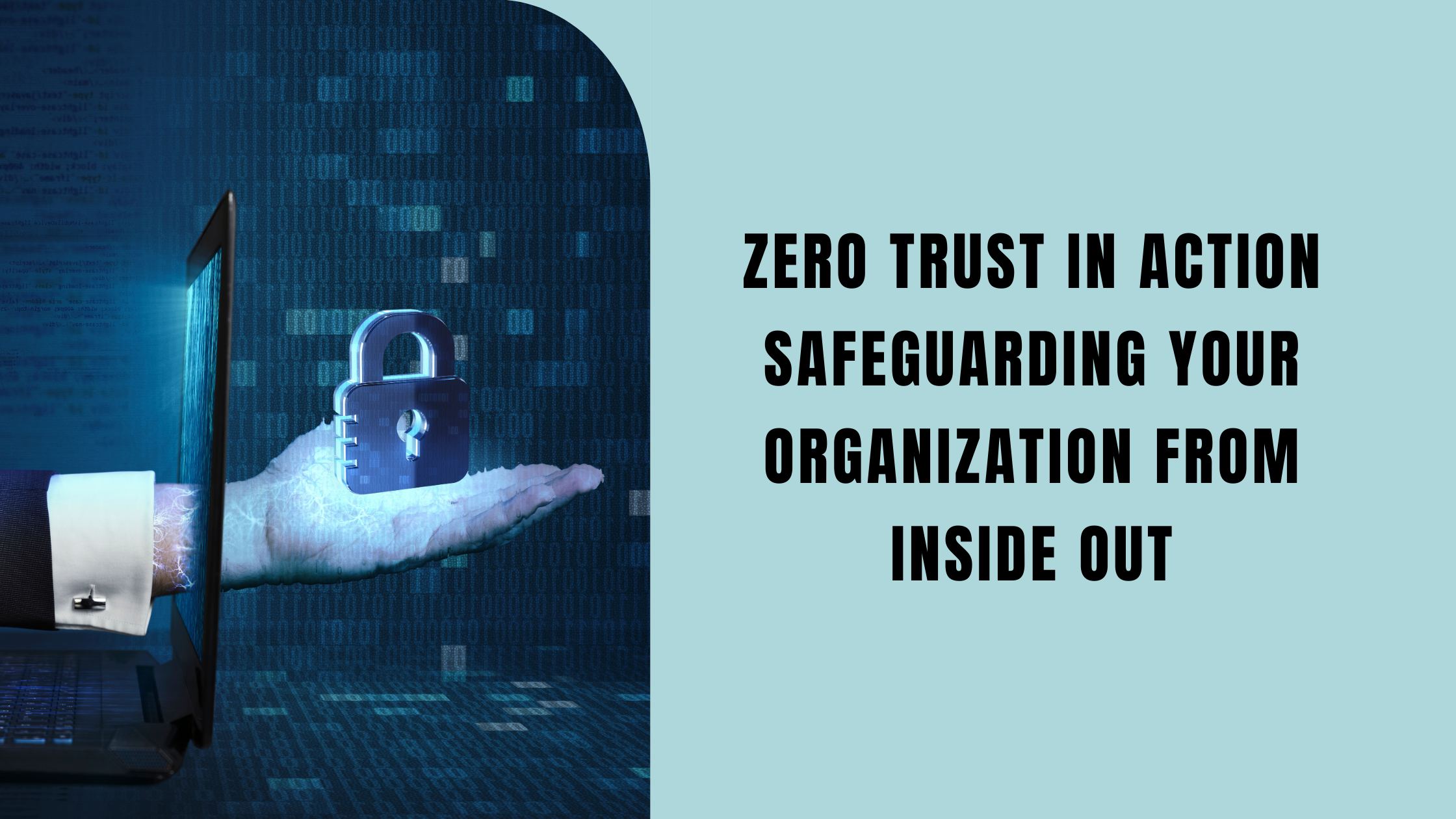
In the rapidly changing world of cybersecurity, where digital threats are ever-present challenges, the Zero Trust framework emerges as a powerful protector. It goes beyond industry jargon and represents a proactive and flexible security strategy that questions traditional assumptions. This article aims to explore the key aspects of Zero Trust, highlighting its departure from typical security methods and how it comprehensively strengthens organizations.

Breaking Down the Core Principles of Zero Trust

Essentially, Zero Trust is a shift in how we think about security – moving away from the idea that everything within the network is inherently safe. Think of it as a vigilant guard carefully examining every user, device, and transaction, regardless of their location or assumed trustworthiness. It's not about blindly trusting; instead, it's about consistently verifying and ensuring security.

Identity Takes the Center Stage

Zero Trust is like a theater, and in this play, identity steals the spotlight. Each user and device is a character, and the plot revolves around rigorous identity verification. It's not just about having a ticket; it's about proving you belong on the stage.

Least Privilege Access

Imagine your organization as a grand library, with different sections and restricted access to rare manuscripts. Zero Trust operates on the principle of least privilege access – users get access only to the specific shelves they need, preventing them from wandering into restricted literary realms.

Micro-Segmentation: Digital Compartments

Now, think of your network as a bustling city. Zero Trust introduces micro-segmentation, creating digital districts with controlled entry points. This way, even if a security breach occurs in one district, the damage is contained, much like a firebreak in a city planning strategy.

Continuous Vigilance

In the world of Zero Trust, there's no room for a digital siesta. Continuous monitoring is the night watchman, tirelessly observing network traffic, user actions, and device behavior. Any irregularity sets off the alarms – an unwavering eye on the digital landscape.

Implementing Zero Trust: A Play in Three Acts

Act I: Rethinking the Security Perimeter

In the traditional security play, a well-defined perimeter was the stage. But in the Zero Trust drama, there's a shift. It's about defining a dynamic security perimeter based on critical assets and data, regardless of their geographical location.

Act II: Architecting the Zero Trust Castle

Imagine your network as a medieval castle, and Zero Trust as the architectural blueprint for impenetrable fortifications. Identity and access management (IAM) becomes the castle gate, encryption the secret passage, and network segmentation the inner keep – all orchestrated to uphold the Zero Trust framework.

Act III: Continuous Monitoring - The Digital Sentinel

Now, envision your organization as a thriving city under the watchful eyes of a sentinel. Deploying multifactor authentication (MFA) becomes the city gates, strict access controls act as the vigilant guards, and network segmentation the city walls. And, of course, there's a team of digital sentinels – network monitoring tools – patrolling the virtual streets for any signs of trouble.

Zero Trust in Real-Life Scenarios

Let's step out of the metaphorical theater and into the real world. Picture a remote employee logging in from a cafe. In a traditional security play, once inside the corporate network, they might be deemed trustworthy. But with Zero Trust, every login, every access request, is met with scrutiny. Multifactor authentication kicks in – a virtual bouncer ensuring only the authenticated gain entry.

Now, imagine an employee attempting to access sensitive financial data. In the traditional narrative, if they had access privileges, the doors would open wide. However, in the Zero Trust saga, those doors are guarded by strict access controls. The employee's access is limited to what's essential for their role, reducing the risk of data exposure.

In a hypothetical breach scenario, Zero Trust operates like a digital emergency response team. Micro-segmentation kicks into action, isolating the compromised area, while continuous monitoring tools raise the alarm, prompting swift response and remediation.

Educating the Heroes: Your Employees

In the Zero Trust narrative, employees aren't just bystanders; they are the heroes. A security-aware culture becomes the guiding light. Regular training sessions, akin to rehearsals, empower employees to understand the significance of their roles in upholding the Zero Trust principles. They become the vigilant actors in this ongoing cybersecurity drama.

Conclusion: Trust Less, Secure More

As the curtain falls on our exploration of Zero Trust, it's evident that this framework is not just a theoretical concept – it's a living, breathing strategy in action. Safeguarding your organization from the inside out, Zero Trust reshapes the cybersecurity narrative. It's not about locking doors and building walls; it's about dynamic defense, continuous vigilance, and empowering your workforce to be the guardians of your digital realm. In a world where digital threats are the antagonists, Zero Trust emerges as the hero, ensuring that trust is earned, not assumed. In the play of cybersecurity, it's time to trust less and secure more.

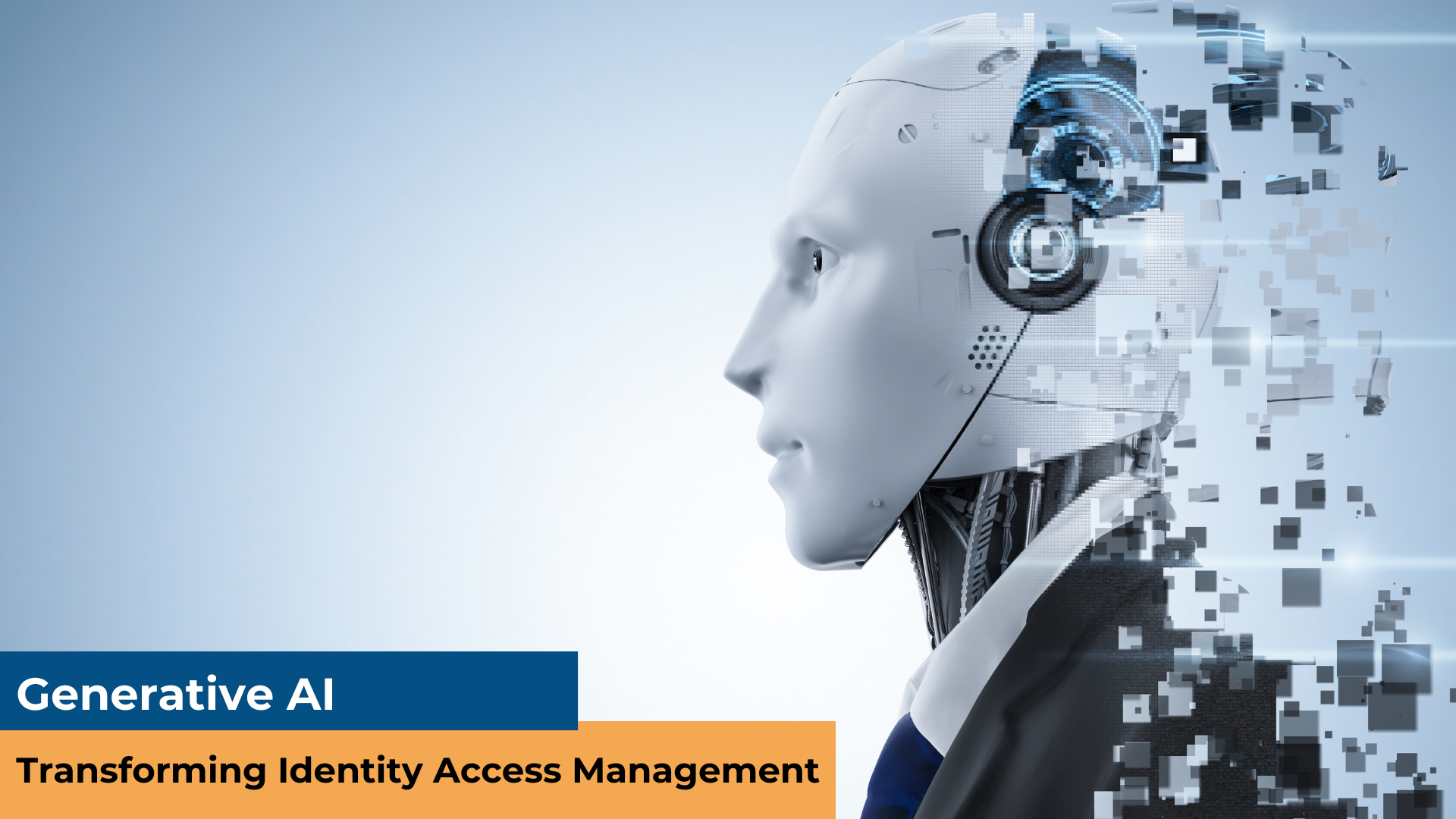
In the fast-paced realm of digital security, the landscape is constantly evolving. As we stand at the intersection of technology and identity access management, a revolutionary force is making its presence known—Generative AI. This innovative technology is reshaping the way we approach security, promising a future where access management is not just efficient but adaptive to the dynamic nature of the digital world.

The Current Landscape

Identity Access Management (IAM) has long been the stalwart guardian of digital domains, ensuring that only authorized individuals gain entry to sensitive information. Traditionally, IAM systems have relied on static rules and predefined parameters to determine access. While effective, these systems often struggle to keep pace with the ever-changing nature of cyber threats.

Enter Generative AI

Generative Artificial Intelligence, or Generative AI, marks a significant leap forward in the realm of IAM. Unlike traditional systems, Generative AI is dynamic and adaptive. It leverages advanced algorithms and machine learning to continuously analyze patterns, user behavior, and potential security risks.

At its core, Generative AI excels at generating context-aware responses, allowing it to make real-time decisions based on the evolving circumstances of the digital environment. This adaptability is a game-changer in an era where cyber threats are increasingly sophisticated and unpredictable.

Adaptive Security in Action

One of the key advantages of Generative AI in IAM is its ability to adapt to new and unforeseen scenarios. Traditional systems, relying on static rule sets, may struggle when faced with novel security challenges. In contrast, Generative AI thrives on change.

Imagine an employee who typically accesses sensitive data during office hours suddenly needing access during the weekend due to an urgent project. A static IAM system might raise red flags, but Generative AI, recognizing the context and the user's historical behavior, can seamlessly grant access without compromising security.

Enhanced Threat Detection

Cyber threats are not only evolving but becoming increasingly sophisticated. Generative AI brings a new level of sophistication to threat detection. By continuously learning from data patterns and user behavior, it can identify anomalies and potential security breaches with heightened accuracy.

For instance, if an employee's account shows unusual activity, such as multiple login attempts from different geographical locations in a short span, Generative AI can promptly flag this as a potential security threat. This proactive approach allows organizations to respond swiftly, minimizing the risk of a security breach.

User-Centric Experience

Beyond its prowess in security, Generative AI is also reshaping the user experience within IAM. Traditional systems, often perceived as cumbersome, may prompt users for multiple authentication steps, causing frustration and potential security vulnerabilities if users opt for simpler, less secure methods.

Generative AI, however, seeks a balance between security and user convenience. By analyzing historical user behavior, it can tailor access controls, providing a smoother and more user-friendly experience. This not only enhances productivity but also encourages adherence to security protocols.

Challenges and Considerations

While the potential of Generative AI in transforming IAM is evident, it's essential to acknowledge the challenges that come with this innovative approach. Privacy concerns, ethical considerations, and the need for robust training data are factors that demand careful attention.

Ensuring that Generative AI systems are ethically sound and comply with privacy regulations is paramount. Striking the right balance between data accessibility for training and respecting user privacy is an ongoing challenge that the industry must address collectively.

The Road Ahead

As we stand at the precipice of this transformative era in IAM, it's clear that Generative AI is poised to redefine how we approach digital security. The future promises a more adaptive, context-aware, and user-friendly identity access management landscape.

In the coming years, we can anticipate further refinement of Generative AI algorithms, increased integration with existing security infrastructure, and a continued emphasis on ethical AI practices. The journey to unveil this future is ongoing, and as we navigate it, one thing remains certain—Generative AI is a powerful force shaping the security landscape of tomorrow.

Dive into the future of cybersecurity with Bridgesoft! Elevate your digital security using our cutting-edge IAM solutions. Secure today, innovate tomorrow. Join us in forging a safer digital future—let's build a bridge to unparalleled security! Connect with Bridgesoft and redefine your security narrative!

Identity access management (IAM) is a key component of an organization's digital transformation strategy. It enables organizations to protect their data and assets from cybersecurity threats by providing controls, processes, and policies that ensure the rights of users are protected.

What is identity and access management?

Identity and access management (IAM) is the process of managing user access to resources. It's a subset of identity and access management, which is also known as IAM. The term "access" refers to how you can get something—in this case, your identity—and what type of access you have: read-only or write-only.

The concept of IAM is based on two key ideas: firstly, that there are two different types of knowledge; secondly, that we need more than one way we can share information between systems so they can work together effectively.

According to a Gartner Research report, the global IAM market size grew from $5.04 billion in 2015 to $5.25 billion in 2016.

The market is forecast to grow to 34.52 billion USD by 2028, which means that it's growing at a fast pace and is one of the most lucrative areas in information security today. Source: Fortune Business Insights.

With this being said, businesses need to make sure they're able to protect their users' identities because if they don't do so then they're going against their interest while also exposing themselves as well as their business partners (or even customers) who may not want any harm coming towards them due to identity theft issues caused by hacking attacks against companies like yours.

The report forecasts the global IAM market size to reach nearly $ 34.52 billion by 2028.

Several factors contribute to this growth which includes:

Key reasons for the growth of the global IAM market are increasing demand for cloud-based, mobile and social technologies, SaaS applications, identity access management as a service, and identity governance and administration.

The global IAM market has grown from $6.5 billion in 2016 to $7.2 billion by 2021, at a Compound Annual Growth Rate (CAGR) of 5%. The primary drivers for growth are increasing demand for cloud-based, mobile and social technologies, SaaS applications, identity access management as a service, and identity governance and administration.

The use of cloud-based, mobile and social technologies is increasing due to the rise of digital transformation initiatives across industries such as banking & finance; healthcare; retail/business enterprise automation, etc., which require organizations to develop new ways of doing business. This has resulted in the need for an effective way to manage employee accounts while also maintaining regulatory compliance requirements such as Sarbanes Oxley Act Section 404 certification or GDPR Privacy Impact Assessment assessment compliance requirements at various levels within an organization such as company level or department level (e.g. finance).

Another significant factor that is likely to drive global IAM market growth is the increasing security concerns within organizations following large-scale data breaches over the past few years.

Another significant factor that is likely to drive global IAM market growth is the increasing security concerns within organizations following large-scale data breaches over the past few years. As a result, organizations are investing in identity access management solutions to ensure that their employees' credentials are only used for authorized purposes and not abused by cybercriminals or other malicious parties who may be looking for ways to infiltrate them.

Identity access management (IAM) is a key element of information security because it helps prevent unauthorized access to sensitive data by controlling who can access it and how they do so. For example, if an employee has his/her login details stolen from work computers he/she uses at home then other people could log into those accounts using this stolen password—this would mean that someone else could steal personal items such as bank statements and credit card numbers while they were being processed online! By implementing strong measures such as multifactor authentication (MFA), companies can ensure no unauthorized users have full control over their systems which means fewer risks associated with having sensitive information stored unprotected on servers where anyone could get hold of it without authorization."

The growing number of cyber threats such as data breaches, insider threats, and socially engineered attacks also supports the growth of the global identity access management market.

The growing number of cyber threats such as data breaches, insider threats, and socially engineered attacks also supports the growth of the global identity access management market. This can be attributed to the fact that many organizations have failed to adopt proper security measures for storing their sensitive information.

The increasing number of cyber-attacks has led to data breaches in various industries across the globe which poses a threat not just on an individual level but also on an organizational level as well. Organizations need to protect themselves from these threats by adopting appropriate security measures such as proper authentication processes before allowing access to their systems or networks.

In today's digital landscape, identity security has become a top priority for organizations. To safeguard sensitive information and prevent unauthorized access, many organizations have turned to Multi-Factor Authentication (MFA) as a key component of their Identity Access Management (IAM) systems. While MFA offers additional layers of security, its effectiveness and long-term viability in the ever-evolving threat landscape warrant critical examination. In this article, we will delve into the evolving landscape of MFA in IAM systems, exploring both the benefits and challenges associated with this approach.

1. The Benefits of MFA in IAM Systems

MFA undeniably brings certain advantages to the table. By requiring multiple factors for authentication, such as passwords, biometrics, or security tokens, MFA adds an extra layer of protection against unauthorized access. It reduces the likelihood of successful brute force attacks, credential theft, and phishing attempts, significantly bolstering the overall security posture. MFA provides organizations with an opportunity to mitigate the risks associated with weak or compromised passwords, ensuring that even if one factor is compromised, the additional authentication factors provide an additional barrier.

2. The User Experience Factor

One of the critical aspects to consider when implementing MFA in IAM systems is the impact on the user experience. While security is paramount, organizations must strike a balance between security and user convenience. The additional steps involved in the authentication process can sometimes lead to user frustration, particularly when MFA is poorly implemented or lacks user-friendly options. Organizations need to prioritize user education and adopt MFA solutions that minimize friction while maintaining a high level of security. Failure to address the user experience aspect can result in resistance to MFA adoption and potential workarounds that compromise security.

3. The Complexity of Integration

Integrating MFA into existing IAM systems can be a complex process. Organizations may face challenges in terms of compatibility with legacy systems, the need for additional infrastructure, and the complexities of managing multiple authentication factors. Seamless integration between MFA and IAM systems is crucial to ensure a streamlined user experience and efficient security management. It requires careful planning, robust implementation strategies, and ongoing monitoring and maintenance to keep up with evolving technology and threat landscapes.

The process involves seamlessly incorporating MFA mechanisms, such as biometrics, smart cards, or mobile authenticator apps, into the existing authentication infrastructure. This integration requires careful planning, considering compatibility with legacy systems, assessing scalability and performance implications, and ensuring a smooth user experience. By successfully integrating MFA into IAM systems, organizations can bolster their security posture, reduce the risk of unauthorized access, and provide an additional layer of protection for sensitive data and resources.

4. Evolving Threat Landscape

While MFA can provide a strong defense against many forms of cyberattacks, it is not impervious to evolving threats. Sophisticated attackers have devised methods to bypass or compromise MFA systems through tactics such as SIM swapping, social engineering, or malware attacks. Organizations must remain vigilant and keep abreast of the latest security measures to counter these emerging threats. Continual monitoring, threat intelligence, and proactive security measures should complement the implementation of MFA in IAM systems to maintain a strong defense against evolving attack vectors.

Conclusion

MFA in IAM systems has undoubtedly made significant strides in strengthening identity security. The additional layers of authentication factors provide an added barrier against unauthorized access and enhance overall security posture. However, organizations must critically evaluate the implementation challenges, user experience implications, and the ever-evolving threat landscape to maximize the effectiveness of MFA. Striking the right balance between security and user convenience, ensuring seamless integration, and staying ahead of emerging threats are crucial for organizations to strengthen their identity security. With careful planning, robust strategies, and ongoing adaptability, MFA in IAM systems can continue to play a pivotal role in safeguarding sensitive information and protecting organizations from malicious actors in the digital age.

In today's digital world, managing user identities and access is critical for any organization. With the rise of cyber threats, it is essential to ensure that employees have secure access to company resources while maintaining the confidentiality, integrity, and availability of corporate data. Two concepts that are often used interchangeably are Workforce Identity Management (WIM) and Access Management (AM). While they share similarities, they have significant differences that are important to understand.

What is Workforce Identity Management (WIM)?

Workforce Identity Management is the process of creating, maintaining, and managing digital identities of employees, contractors, and partners. It involves providing access to the right resources at the right time based on job roles, responsibilities, and attributes. WIM includes identity governance, user authentication, authorization, and access control. WIM solutions are designed to ensure that identities are secure, compliant, and consistent across different applications, systems, and platforms.

What is Access Management (AM)?

Access Management is the process of controlling access to resources based on user permissions, roles, and attributes. AM involves granting or denying access to applications, data, and services based on user authentication, authorization, and access policies. Access Management solutions are designed to ensure that users have the right level of access to resources based on their job roles, responsibilities, and attributes. AM solutions are used to enforce security policies, prevent unauthorized access, and provide a seamless user experience.

The Key Differences between Workforce Identity Management and Access Management

  1. Scope: Workforce Identity Management covers the entire lifecycle of digital identities, including creation, management, and deletion, while Access Management is focused on controlling access to resources based on user permissions and policies.
  2. Functionality: Workforce Identity Management solutions include identity governance, user authentication, authorization, and access control. Access Management solutions, on the other hand, are focused on access control, such as single sign-on, multifactor authentication, and access policies.
  3. User Experience: Workforce Identity Management solutions are typically used by IT administrators, security analysts, and compliance officers, while Access Management solutions are used by end-users to access resources.
  4. Integration: Workforce Identity Management solutions are integrated with various applications, systems, and platforms, while Access Management solutions are integrated with applications, data, and services.

Why Workforce Identity Management and Access Management are Important for Organizations?

Workforce Identity Management and Access Management are crucial for organizations to ensure that employees have secure access to corporate resources. These solutions are designed to protect confidential information, prevent data breaches, and ensure compliance with regulatory requirements. WIM and AM solutions also improve productivity, reduce IT costs, and provide a seamless user experience.

Workforce Identity Management and Access Management are two critical concepts that are essential for any organization's cybersecurity posture. While they share similarities, they have significant differences that are important to understand. WIM is focused on managing digital identities, while AM is focused on controlling access to resources. Organizations should implement both WIM and AM solutions to ensure that employees have secure access to corporate resources while maintaining confidentiality, integrity, and availability.

Bridgesoft is a leading provider of technology, consulting, and information security management solutions. Bridgesoft's products and services cover a range of areas from physical and logical access and identity management to security risks and threats.
Copyright 2026 Bridgesoft. All rights reserved.
cloud-checklockcogeyeenterpictureuserstorecartmap-markersmartphonelaptop-phonerocketbuscrossmenuplus-circle