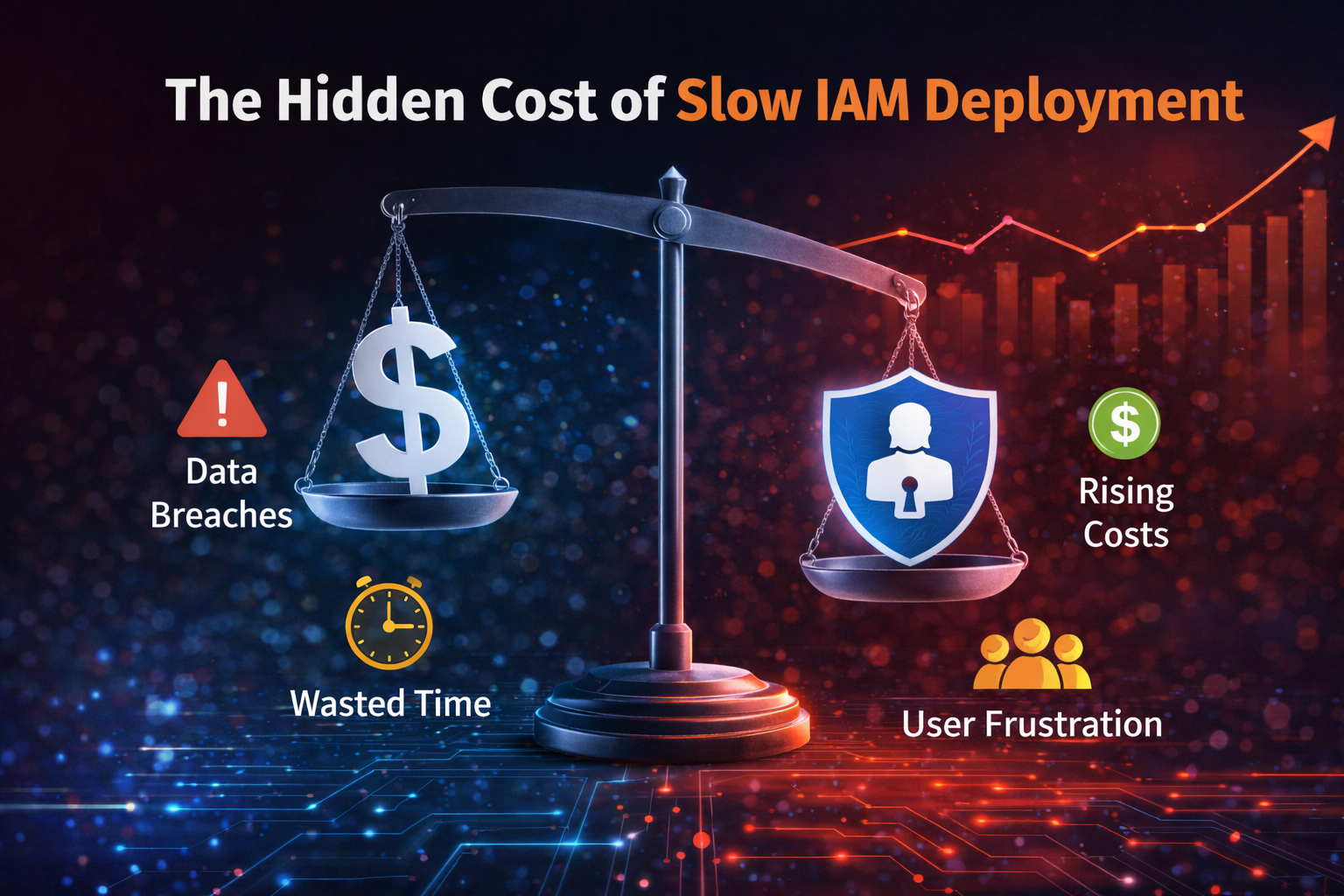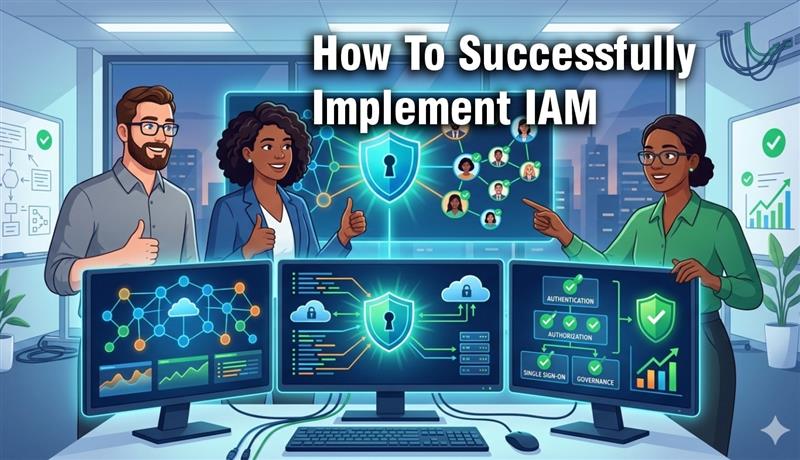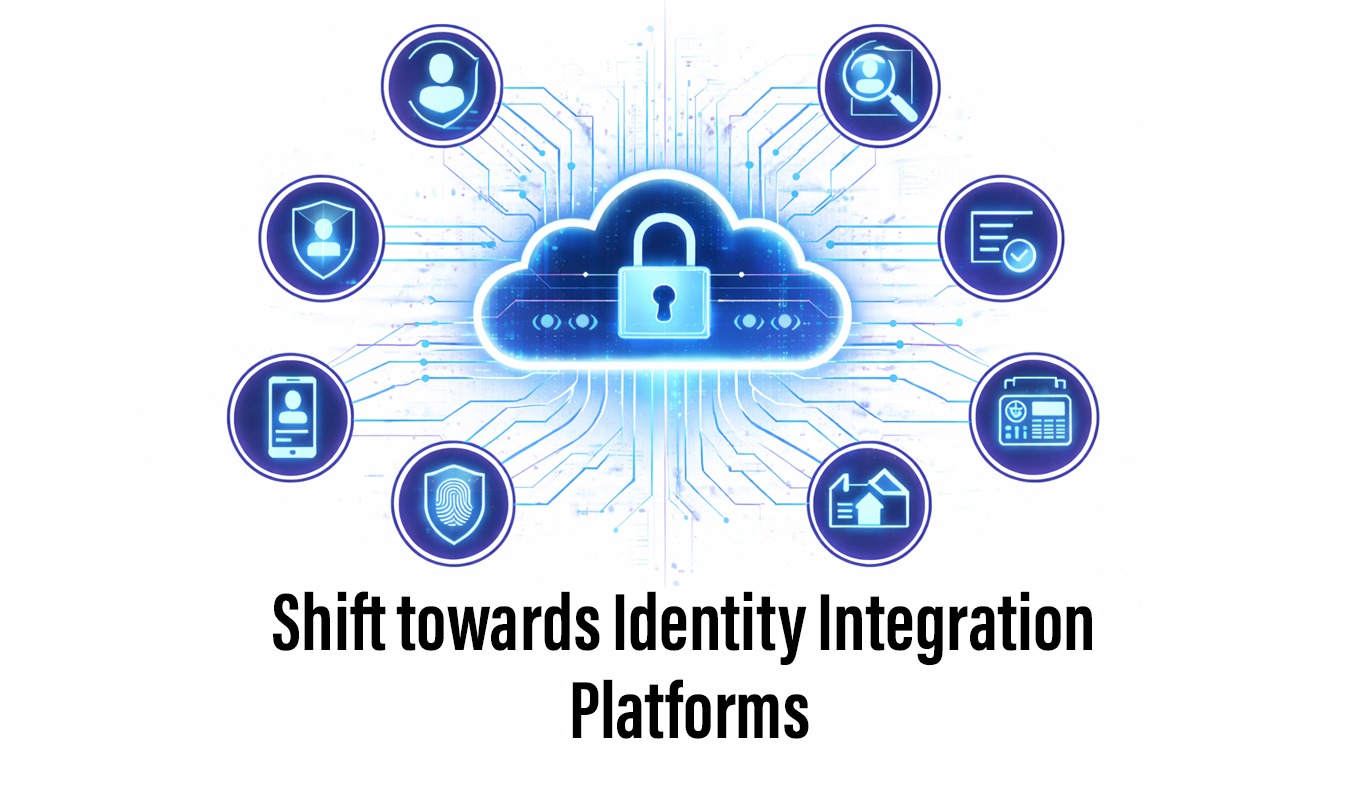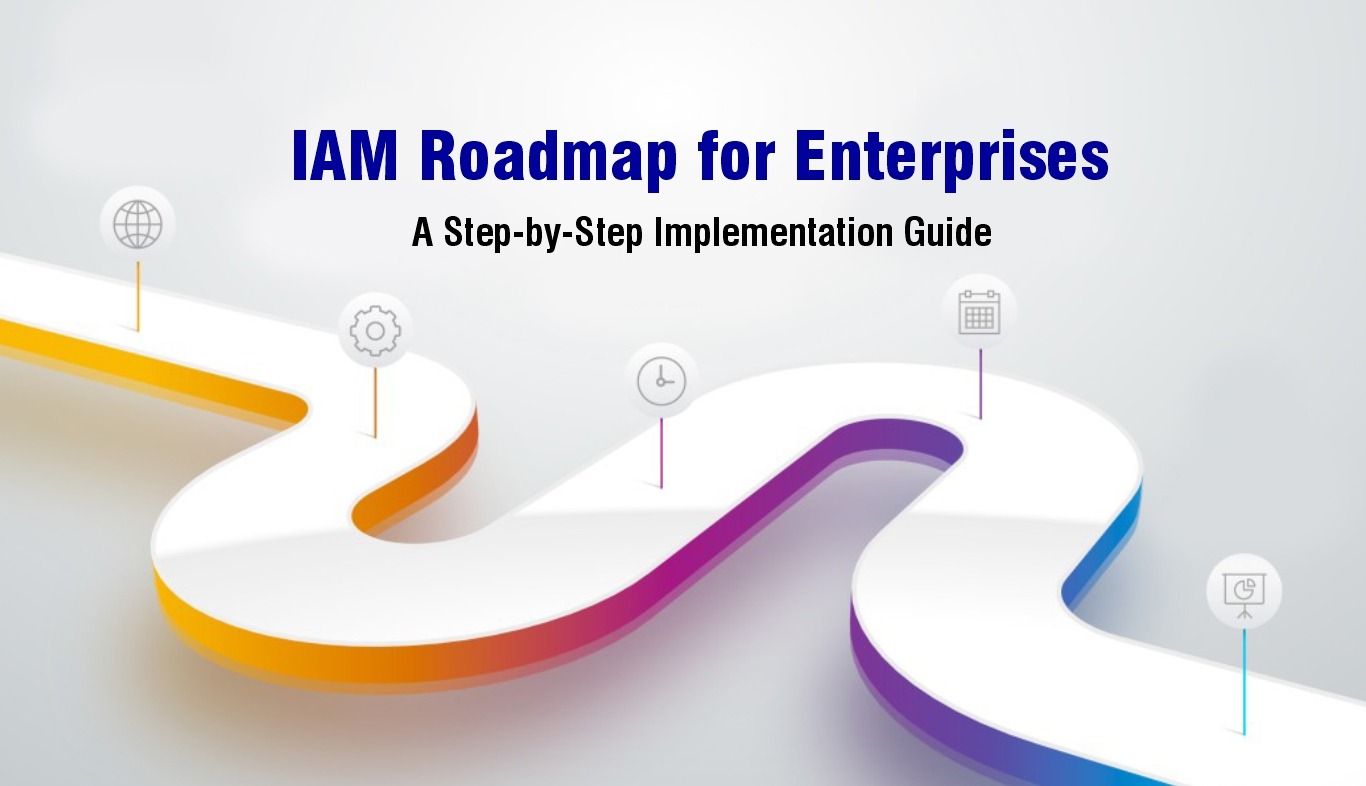
In today’s hyper-connected enterprise ecosystem, identity has quietly become the new control plane for security.

Organizations no longer operate within a single application environment. Instead, they rely on a constantly expanding mix of cloud platforms, SaaS tools, legacy systems, APIs, partner portals, and hybrid infrastructures. While this digital expansion has accelerated innovation, it has also introduced a growing identity challenge — one that traditional Identity and Access Management (IAM) systems were never designed to handle.

According to recent Gartner IAM roadmap insights, the future of enterprise security lies not in deploying more IAM tools, but in integrating identity across the entire digital landscape. This is where the concept of Identity Integration Platforms begins to reshape how modern organizations approach IAM.

The Problem with Fragmented IAM Architectures

Over the past decade, enterprises have adopted multiple identity solutions to address different needs:

While each of these tools solves a specific problem, they often operate in silos — resulting in fragmented identity governance across the enterprise.

This leads to:

In industries like aviation and gaming — where Bridgesoft IAM solutions are increasingly being deployed — managing identity across legacy reservation systems, operational platforms, third-party APIs, and cloud-native applications has become particularly complex.

The traditional IAM approach simply doesn’t scale in these environments.

We feel the Gartner IAM Roadmap is Evolving

Gartner IAM roadmap now emphasizes a shift from standalone identity management tools toward integrated identity ecosystems that can unify authentication, authorization, and governance across diverse technology stacks.

Rather than managing identity at the application level, organizations are being encouraged to treat identity as an integration layer — connecting:

This shift reflects a broader move toward identity-first security models, where access decisions are made dynamically based on context, risk signals, and policy orchestration across platforms.

Enter Identity Integration Platforms

Identity Integration Platforms are designed to bridge the gap between fragmented IAM deployments and modern enterprise infrastructure.

Instead of replacing existing IAM investments, these platforms enable organizations to:

This approach allows enterprises to unify identity operations without disrupting mission- critical systems, which are a crucial requirement for sectors that depend on continuous availability and compliance.

Why This Matters Now

As enterprises continue their digital transformation journeys, identity is becoming deeply embedded in every business transaction — from employee onboarding and customer logins to partner integrations and machine-to-machine communications.

Managing these identities in isolation is no longer sustainable.

By aligning with Gartner IAM trends and adopting Identity Integration Platforms, organizations can:

Looking Ahead

The future of IAM is no longer about managing identities within applications — it's about integrating identity across ecosystems.

Identity Integration Platforms represent the next phase of the IAM evolution, enabling enterprises to move from fragmented identity management toward a unified, policy-driven identity fabric.

As organizations revisit their IAM roadmap considering Gartner’s strategic direction, investing in identity integration may well become the foundation for scalable, secure digital growth.

Gartner, Develop an IAM Program Roadmap to Deliver Business Value, Steve WesselsRebecca ArchambaultBrian Guthrie, 2 September 2025. 

GARTNER is a registered trademark and service mark of Gartner, Inc. and/or its affiliates in the U.S. and internationally and is used herein with permission. All rights reserved.

In today’s digital enterprise, managing who has access to what is no longer just an IT task—it’s a critical business priority. With organizations operating across cloud platforms, legacy systems, SaaS applications, and remote work environments, Identity and Access Management (IAM) has become the backbone of enterprise security.

However, many organizations struggle with fragmented identity systems, manual provisioning, compliance risks, and delayed application onboarding. This is where a well-structured IAM roadmap becomes essential.

An effective IAM implementation of roadmap helps enterprises transition from reactive access management to a strategic identity-centric security framework. In this guide, we’ll walk through a step-by-step IAM strategy that enterprises can follow to successfully implement and scale IAM across their organization.

Why Enterprises Need a Clear IAM Roadmap

Many organizations jump into IAM projects by selecting tools before defining their strategy. This often leads to delays, integration issues, and poor user adoption.

A well-defined IAM roadmap helps enterprises:

Most importantly, it provides a structured IAM implementation roadmap that reduces complexity and ensures long-term scalability.

Step-by-Step IAM Implementation Roadmap

Step 1: Define Your IAM Strategy and Objectives

The first step in building an effective IAM strategy is to understand the organization’s security goals and operational needs.

Important factors to consider:

During this stage, enterprises should involve stakeholders from IT, security, compliance, HR, and business units to ensure the IAM roadmap aligns with broader organizational priorities.

A well-defined IAM strategy forms the foundation of a successful IAM implementation roadmap.

Step 2: Assess the Current Identity Landscape

Before implementing IAM, organizations must evaluate their existing identity infrastructure.

This assessment typically includes:

Enterprises often discover fragmented identity systems and inconsistent access policies during this phase.

Understanding these gaps helps define the scope of the IAM roadmap and highlights integration challenges early in the implementation process.

Step 3: Identify Critical Applications and Systems

Not every application needs to be onboarded into IAM at once. A phased approach ensures smoother implementation and reduces operational risks.

Priorities for organizations should be:

This prioritization becomes a key component of the IAM implementation roadmap, allowing enterprises to achieve quick wins while gradually expanding identity governance coverage.

Step 4: Design the IAM Architecture

Once priorities are established, the next step is designing a scalable IAM architecture.

A typical enterprise IAM architecture includes:

Organizations must also plan how to integrate legacy systems, SaaS platforms, and custom applications into the IAM framework.

This is where modern integration solutions—such as identity gateways or automation layers—can significantly simplify application onboarding and reduce integration complexity.

Step 5: Implement Identity Lifecycle Management

One of the biggest benefits of IAM is automated identity lifecycle management.

This includes managing the entire user journey:

Automating these processes ensures that users receive the right access at the right time while preventing unauthorized access after role changes or employee departures.

A strong lifecycle management strategy is a cornerstone of an effective IAM roadmap.

Step 6: Enforce Access Governance and Compliance

Regulatory frameworks and internal security policies require organizations to maintain strict access controls.

IAM enables enterprises to enforce:

These capabilities help organizations strengthen governance while simplifying compliance with industry standards.

By integrating governance into the IAM implementation roadmap, enterprises can ensure that identity security aligns with regulatory requirements.

Step 7: Integrate Legacy and Modern Applications

One of the biggest challenges in enterprise IAM projects is integrating diverse applications.

Many legacy systems lack modern APIs or identity connectors, making integration complex and time-consuming.

To address this challenge, organizations can leverage integration platforms that support:

These technologies accelerate application integration and reduce the operational overhead of IAM deployments.

Step 8: Enable Continuous Monitoring and Optimization

IAM is not a one-time implementation—it’s an ongoing process.

Once the IAM system is deployed, organizations should continuously monitor:

Regular reviews help refine the IAM strategy and ensure the IAM roadmap evolves with business needs, new technologies, and emerging security threats.

Common Challenges in IAM Implementation

Even with a well-planned IAM implementation roadmap, enterprises often face challenges such as:

Addressing these challenges requires both strong IAM governance and flexible integration capabilities that simplify identity automation across enterprise systems.

Tired of IAM Delays Slowing You Down?
Accelerate deployment with a smarter integration strategy.

👉 Schedule a Demo

Developing a Future-Ready IAM Approach

As organizations adopt cloud platforms, remote work models, and digital ecosystems, identity becomes the new security perimeter.

A future-ready IAM strategy should focus on:

By following a structured IAM roadmap, enterprises can build a secure, scalable identity framework that supports digital transformation while protecting critical business assets.

Final Thoughts

Implementing IAM is not just about deploying technology—it’s about creating a strategic identity framework that aligns security, compliance, and business operations.

Digital transformation has reshaped how businesses operate, and with it, the concept of identity has evolved. No longer limited to human users, today’s enterprises rely on machine identities non-human entities that authenticate, communicate, and execute critical workflows. From cloud workloads and DevOps pipelines to IoT devices and AI driven automation, machine identities now outnumber human users in many organizations.

Yet, despite their growing importance, these identities often remain unmanaged, overprivileged, and vulnerable making them prime targets for cyberattacks.

What Are Machine Identities?

Machine identities are digital credentials that enable secure authentication and communication for non-human entities. These include:

Unlike human users, machine identities operate silently in the background often with persistent access, excessive privileges, and weak rotation policies. This makes them a goldmine for attackers looking to escalate privileges or move laterally across networks.

Why Machine Identity Governance is Critical Neglecting machine identities leads to security blind spots and compliance risks. High profile breaches often stem from exposed API keys, misconfigured service accounts, or hardcoded credentials. In cloud native environments, where workloads scale dynamically, the risks multiply.

Key challenges include:

Credential sprawl – Uncontrolled accumulation of machine identities with no clear ownership
Privilege creep – Over permissioned service accounts increasing attack surfaces
Manual mismanagement – Secrets stored in plaintext, hardcoded scripts, or shared carelessly
Audit gaps – No visibility into who created an identity, what it accesses, or if it’s still needed

Security teams can’t protect what they can’t see. Without governance, machine identities become invisible and exploitable.

The Expanding Attack Surface

Machine identities now permeate every layer of IT:

Attackers exploit these weak points through credential harvesting, token theft, and privilege escalation. Worse, breaches often go undetected for months because machine activity isn’t logged or monitored effectively.

How to Secure Machine Identities: A Lifecycle Approach

To mitigate risks, organizations must adopt automated, policy driven governance for non-human identities. Here’s how:

1. Discovery & Inventory

Scan systems, code, and cloud environments to detect unmanaged credentials.

2. Classification & Ownership

Tag identities by criticality and assign ownership to ensure accountability.

3. Least Privilege Access

 Enforce role based policies grant only necessary permissions.

4. Automated Secret Management

Encrypt & rotate credentials eliminate hardcoded secrets.

5. Continuous Monitoring

Log machine activity and detect anomalies (e.g., unusual API calls).

6. Timely Decommissioning

Remove orphaned identities when systems retire.

The Future: Trust in Automation

As AI, RPA, and autonomous systems grow, so will the complexity of machine identities. Organizations must ensure:

  1. Machines operate within authorized boundaries
  2. Every access request is logged & auditable
  3. Compliance frameworks cover non-human actors

Why Partner with Bridgesoft?

Our identity centric security solutions are designed for modern enterprises, providing:

Machine identities are the backbone of automation secure them with Bridgesoft.

In recent years, the strategic role of Identity and Access Management (IAM) has undergone a dramatic transformation. Once viewed primarily as a back-office function confined to IT departments, identity is now central to the success of digital business initiatives, cybersecurity strategies, and regulatory compliance efforts.

This evolution has been driven by a convergence of forces: the shift to cloud-based infrastructure, the rise of hybrid work, the increasing complexity of access environments, and the growing sophistication of cyber threats. As organizations expand their digital footprint, the challenge of managing who has access to what and ensuring that access is appropriate, secure, and accountable has never been more urgent.

Identity as the Control Plane

Identity has become the control plane for modern enterprises. It is the common thread connecting employees, contractors, third-party partners, and machine identities to the systems and data they need. And because every interaction starts with identity, it is now a primary target for adversaries. Compromised credentials are consistently cited as a leading cause of breaches across industries.

Organizations are no longer operating within traditional network perimeters. The rapid adoption of SaaS applications, remote work environments, and third-party integrations has pushed access outside the enterprise boundary. As a result, identity is now the last line of defence. Effective identity governance enables real-time visibility and control over access, mitigating the risk of lateral movement in the event of a breach and limiting exposure to sensitive data.

From IT Process to Business Enabler

Modern identity programs go far beyond provisioning accounts and managing passwords. When aligned with broader business objectives, IAM can accelerate user onboarding, streamline compliance reporting, reduce operational overhead, and improve the user experience.

For example, by integrating identity systems with HR platforms, access can be automatically assigned and revoked as users join, move, or leave the organization. This reduces manual effort and human error, while ensuring users have the right access at the right time. Additionally, advanced capabilities like identity analytics and AI-powered anomaly detection enable security teams to proactively respond to access-related risks helping to shift identity from a reactive function to a strategic advantage.

Breaking Down Silos

A successful identity program requires coordination across multiple stakeholders security teams, IT operations, HR, compliance, and business unit leaders. Yet in many organizations, these functions operate in silos. IAM implementations often stall due to unclear ownership, conflicting priorities, or poor communication between departments.

Establishing a cross-functional identity governance model can help bridge these gaps. This means bringing stakeholders together to define common objectives, clarify roles and responsibilities, and establish metrics that align with broader business goals. With the right collaboration, IAM can become a unifying force rather than a point of friction enabling secure       

Final Thought

As digital ecosystems grow more complex and interconnected, identity will continue to play a defining role in shaping enterprise risk and opportunity. Organizations that recognize IAM as a strategic asset and invest in building mature, outcome-driven identity programs will be better positioned to thrive in a fast-changing landscape.

Ignoring identity’s expanding role comes at a cost. Whether it’s through compliance gaps, delayed onboarding, or increased exposure to threats, treating IAM as a low-priority technical project is a missed opportunity. The organizations that succeed will be those that elevate identity to the level of strategic infrastructure on par with cloud, data, and cybersecurity.

Partner with Bridgesoft to Transform Identity into Opportunity


At Bridgesoft, we understand that identity is more than just a technical control, it's the foundation of trust, security, and agility in today’s digital enterprise. With deep expertise in IAM strategy, deployment, and governance across industries, we help organizations turn identity challenges into business enablers. Whether you’re modernizing your access architecture, achieving compliance, or preparing for the next phase of digital growth, Bridgesoft delivers customized, scalable solutions to meet your unique needs.

We've all been there, right? That frustrating dance between getting our work done and navigating the labyrinth of cybersecurity. Organizations are rightly strengthening their digital defenses, but it often feels like every new security measure another authentication step, an extra access form, a policy update – adds friction. While these steps are designed to boost security, they can also leave us feeling frustrated and slow down our productivity.

But here's the thing: this trade-off is no longer acceptable. In today's hyper-digital world, how we interact online defines everything, from customer engagement to employee productivity. That means user experience isn't just a nice-to-have; it's a fundamental security requirement. For identity and security leaders, finding that sweet spot between robust protection and effortless usability has become one of the most pressing challenges.

Security That Empowers, Not Impedes

Think about it: when security controls become a roadblock to getting work done, what happens? People find workarounds. They might reuse passwords, share credentials, or even squirrel away sensitive information in less-than-secure spots. These aren't acts of negligence; they're often cries for help, signals that our security strategy isn't quite in sync with how people operate.

This is where modern Identity and Access Management (IAM) solutions truly shine. They're evolving to match the pace and reality of how we work. Imagine adaptive authentication that understands your context, single sign-on (SSO) that eliminates repetitive logins, or even a future where passwords are a thing of the past. These aren't just buzzwords; they're practical ways to enhance security without forcing users to jump through unnecessary hoops. When security feels seamless, people embrace it, and in turn, risk naturally decreases.

Weaving Design Thinking into Identity Programs

User-centric design isn't just for marketing and product teams anymore; it's a powerful tool for identity strategy. By embracing principles like empathy, rapid prototyping, and continuous iteration, identity leaders can craft workflows and access controls that genuinely reflect user needs.

Take, for instance, designing a new role-based access request system. Instead of simply building it and expecting people to adapt, imagine starting with conversations across different business units. What do users really need access to? How often do those needs shift? And crucially, by building in feedback loops, identity teams can constantly refine these systems based on real-world usage. The outcome? A more intuitive experience for users and a more efficient system for IT and security teams to manage. It's a win-win.

Building Trust Through Openness

Security shouldn't feel like something imposed on users; it should be something they understand and trust. When people are informed about why certain controls are in place, and when they have clear, easy-to-navigate options for requesting access or reporting issues, they're far more likely to embrace and adhere to security protocols.

Providing self-service capabilities, transparent access policies, and real-time visibility into permissions cultivates a culture of trust across the organization. It transforms security from a stern gatekeeper into a collaborative partner one that empowers employees to work confidently, knowing they're protected.

The Bridgesoft Perspective: Security as an Enabler

Ultimately, the most successful identity programs are those built with people at their core. When user experience and security are viewed as complementary forces rather than opposing ones, organizations can create digital environments that are both robustly secure and truly supportive.

At Bridgesoft, we believe that IAM shouldn't force anyone to choose between security and speed. With the right tools, the right mindset, and the right processes, it's not only possible to deliver both, but to elevate the identity function into a genuine driver of business value. We empower organizations to build secure, seamless digital experiences that foster productivity and trust, because we understand that the human element is at the heart of every successful cybersecurity strategy.

Identity is no longer a background function. It’s a strategic driver of security, user experience, digital transformation, and even competitive advantage. As cloud adoption, remote work, and regulatory demands reshape the enterprise, identity has emerged as the control plane for the modern organization.

But this landscape is far from static. The next evolution of identity is already underway, shaped by emerging technologies, evolving threats, and rising expectations from users and regulators alike.

Understanding what’s next is essential for IAM leaders, CISOs, and IT decision-makers looking to future-proof their programs. This post explores the key trends that will define the future of identity   and what organizations can do now to prepare.

1. Decentralized Identity and User-Controlled Data

Traditional identity models rely on centralized providers   directories, identity platforms, or federated systems   to verify and store credentials. But with increasing concerns about data privacy, portability, and control, decentralized identity (DID) is gaining traction.

In a decentralized identity ecosystem, individuals manage their own credentials using digital wallets. Verifiable credentials   such as proof of employment, age, or certifications   are issued by trusted authorities and presented only when needed. No centralized store, no password reuse, and no unnecessary collection of PII.

This model holds enormous promise:

However, adoption will take time. Standards like W3C’s DID and Verifiable Credentials are still maturing, and interoperability challenges remain. But make no mistake: user-centric identity is coming, and it will shift how organizations think about onboarding, access, and trust.

2. Identity and AI: A Two-Way Evolution

Artificial Intelligence is rapidly transforming cybersecurity   and identity is no exception. On one side, IAM platforms are integrating AI to drive efficiency and enhance risk detection. On the other, identity systems are becoming core data sources for AI models.

AI-powered IAM brings benefits such as:

But there’s also a growing recognition that identity data itself is a critical input to AI governance. As enterprises deploy AI models, identity will help answer questions like: Who trained this model? Who can modify it? Who is responsible for its outputs?

Going forward, expect to see tighter integration between identity governance and AI governance   especially in regulated industries where explainability and accountability are key.

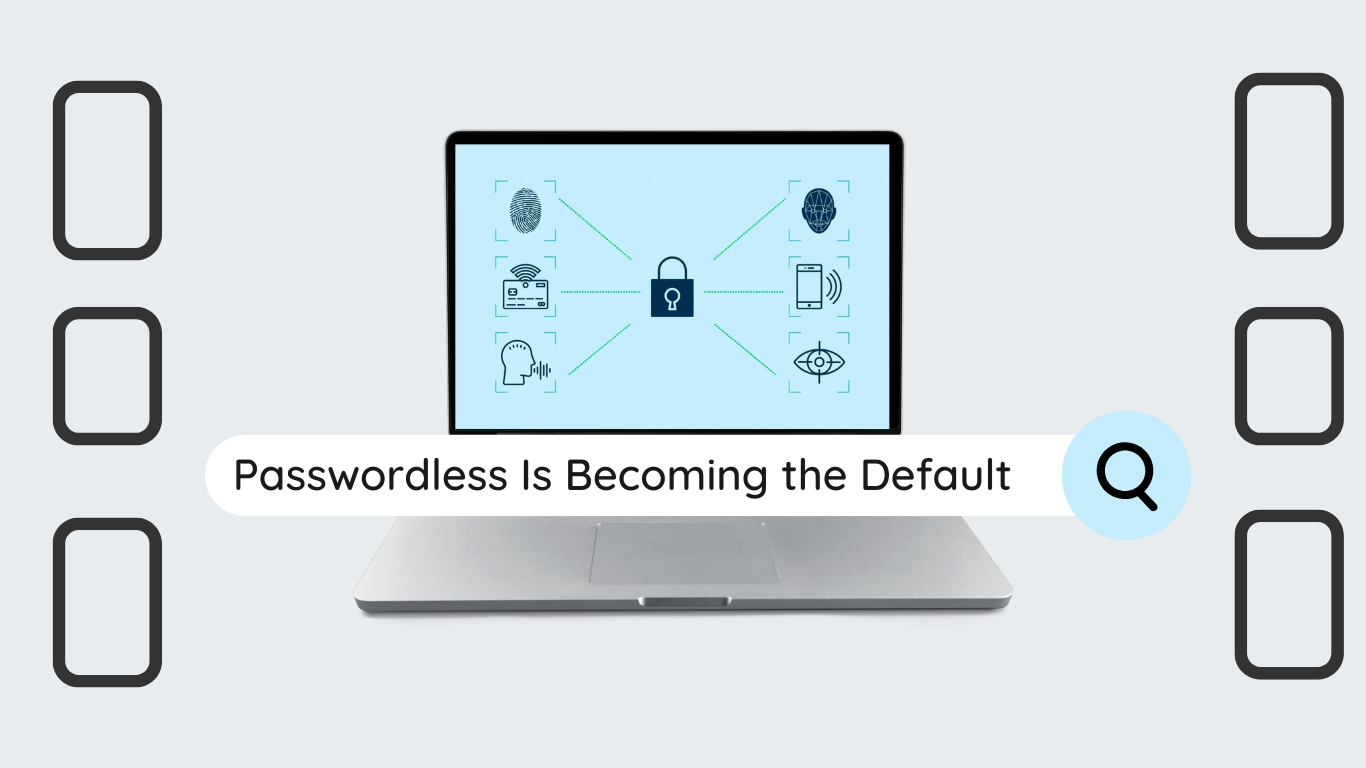
3. Passwordless Is Becoming the Default

Passwords have long been the weakest link in security. They’re reused, forgotten, phished, and frequently compromised. Organizations have responded with MFA, but even that’s not immune to sophisticated attacks like MFA fatigue and phishing kits that intercept codes.

Now, a true shift is underway: passwordless authentication is moving from aspiration to standard.

Technologies like FIDO2/WebAuthn, biometric authentication, and device-based identity are allowing organizations to eliminate passwords altogether   replacing them with cryptographic credentials stored on user devices.

This improves:

Adoption is growing, especially in customer-facing apps and modern workforce platforms. Within the next few years, passwordless will likely become the norm   and organizations still reliant on passwords will find themselves increasingly exposed.

4. Non-Human Identity Governance Becomes Standard Practice

As discussed in earlier posts, non-human identities   including APIs, service accounts, bots, and containers   now outnumber human users in many environments. Yet governance for these identities is still catching up.

In the future, expect to see:

Organizations that delay governance in this area are inviting risk. Just as we’ve matured our processes around joiners, movers, and leavers for people, we must now do the same for code.

5. Identity Threat Detection and Response (ITDR)

As threat actors increasingly target identities rather than infrastructure, Identity Threat Detection and Response (ITDR) is emerging as a key pillar of modern security.

ITDR involves detecting, investigating, and responding to identity-related threats   such as privilege escalation, lateral movement via service accounts, and misuse of legitimate credentials.

Expect to see:

Identity isn’t just about provisioning anymore. It’s about active defense and ITDR is how organizations will stay ahead of adversaries.

6. Compliance Becomes Real-Time

Historically, compliance was a periodic effort to prepare for the audit, run the reports, close the gaps. But as regulations evolve and expectations shift, compliance is moving toward real-time, continuous assurance.

This requires:

IAM platforms will need to evolve from systems of record to systems of accountability, capable of proving compliance on demand and adapting to new rules as they emerge.

Final Thought

The future of identity is not a single destination it’s a constantly evolving landscape shaped by technology, threat actors, business needs, and user expectations. As identity becomes more decentralized, intelligent, and embedded into everything we do, the organizations that thrive will be those that embrace change, invest in innovation, and treat identity as strategic infrastructure.

As cloud adoption continues to accelerate, identity has become one of the most critical and complex   components of enterprise security. Organizations are no longer relying on a single cloud provider or data center; instead, they are operating in multi-cloud and hybrid environments that span public clouds, on-premises systems, SaaS platforms, and legacy infrastructure.

This fragmented landscape presents a growing challenge: how to manage identity consistently across a diverse, dynamic IT ecosystem. It’s not just about keeping users connected it’s about keeping access secure, compliant, and scalable without slowing down innovation.

Solving this challenge starts with a shift in mindset: identity must be viewed not as a one-time project, but as a foundational architecture layer one that underpins access, governance, and risk across every platform the business touches.

The Rise of Multi-Cloud and Hybrid Complexity

The move to cloud is rarely all-or-nothing. Many organizations adopt cloud services incrementally, driven by specific business needs. A company might use AWS for development, Azure for Office 365, and Google Cloud for data analytics all while retaining core legacy systems on-premises due to regulatory or operational constraints.

This flexibility comes at a cost. Each environment may have its own identity model, access controls, and integration capabilities. Without a unified strategy, this leads to identity silos: users with duplicate accounts across systems, inconsistent roles and entitlements, and gaps in visibility. These silos increase risk, reduce efficiency, and make compliance audits far more difficult.

Additionally, the growing number of non-human identities such as service accounts, bots, and machine workloads   adds complexity. These identities often lack proper governance, creating blind spots and potential entry points for attackers.

Why Fragmented Identity Governance Fails

Traditional IAM solutions were built for centralized environments, where users and resources were confined to a corporate domain. In today’s distributed architecture, this model breaks down. Manual provisioning, static policies, and point-to-point integrations simply cannot keep pace with the velocity and scale of modern cloud environments.

When identity is managed in silos, the business suffers:

To address these challenges, organizations must adopt a cloud-ready identity architecture one that is unified, automated, and policy-driven.

A Blueprint for Cloud-Ready Identity

Building an identity strategy that spans cloud and on-premises systems requires several key capabilities:

  1. Federated Identity and Single Sign-On (SSO)

    Users expect seamless access across platforms. Federated identity   often enabled through protocols like SAML, OIDC, or OAuth   allows identity to be trusted across domains. SSO eliminates the need for multiple logins and reduces password sprawl, improving security and user satisfaction.
  2. Centralized Policy Management

    A consistent set of identity governance policies   for provisioning, access certification, and role management   should apply regardless of where the application is hosted. This avoids discrepancies in access control and simplifies compliance reporting.
  3. Automation and Just-in-Time Provisioning

    Cloud environments are dynamic by nature. Leveraging automation for provisioning and deprovisioning ensures that users only have access when they need it   and that access is promptly revoked when it’s no longer required. Just-in-time (JIT) provisioning can support use cases like temporary contractor access or dynamic DevOps workflows.
  4. Identity Federation for B2B and SaaS Ecosystems

    Many organizations rely on external partners, suppliers, and SaaS applications. Supporting secure federation with third-party identity providers reduces the need to create and manage external user accounts within the internal environment. Federation enables scalability, improves user experience, and reduces administrative overhead.

  5. Granular Role and Attribute-Based Access Controls

    As environments become more complex, simple role-based access may not be enough. Attribute-based access control (ABAC) enables dynamic, context-aware access decisions based on user location, device status, time of day, or business unit. This allows for more precise and risk-aware access policies across platforms.

  6. Unified Identity Visibility and Reporting

    Cloud IAM isn’t just about granting access it’s about maintaining insight into who has access to what, and why. A central identity platform should consolidate access data from across systems and provide real-time visibility for security teams, auditors, and business owners.

A strong, cloud-ready identity strategy is key to secure, compliant, and scalable operations.

See how Bridgesoft can unify and automate identity across your cloud and on-premises systems: Bridgesoft Identity Solutions

For years, cybersecurity programs were anchored in infrastructure: firewalls, antivirus software, and perimeter defense. Identity and Access Management (IAM) was often seen as an operational function important, but isolated from the broader conversation around enterprise risk.

Today, that model no longer holds.

In a digital first, cloud driven world, identity has become the new security perimeter. It defines who (or what) has access to sensitive systems, data, and workflows. And because every breach, escalation, or misconfiguration ultimately traces back to a question of identity, a modern security culture must begin with identity at its core.

But culture isn’t a product you can deploy. It’s a mindset. It requires buy in from stakeholders, clarity in roles, and sustained reinforcement across the organization. Building an identity first security culture means embedding identity into every layer of business operations   and making it everyone’s responsibility.

Why Identity First Thinking Matters

As hybrid work, cloud adoption, and API driven development reshape enterprise environments, traditional network perimeters have eroded. Users, applications, and workloads now connect from anywhere   across unmanaged devices, third party networks, and distributed systems.

In this model, the question is no longer “Is this network secure?” but rather “Should this identity have access right now?”

Security outcomes increasingly depend on identity decisions:

An identity first approach shifts the focus from controlling access at the edge to governing access at the source   based on who the user is, what they need, and how their risk posture changes over time.

Cultural Shifts Required for Identity First Security

Adopting an identity first culture involves more than new tools or policies. It requires changing how people think, behave, and prioritize.

1. From IT Ownership to Shared Accountability

IAM has traditionally been owned by IT, but identity is now a shared responsibility. HR provides attributes. Security defines policies. Business managers approve access. Compliance teams ensure oversight. Identity affects   and is affected by   every function. Success depends on alignment and accountability across stakeholders.

2. From Reactive Compliance to Proactive Governance

Rather than scrambling to fix access before audits, identity first organizations bake governance into everyday workflows. Role definitions are clear. Entitlement reviews are automated. Violations are detected in real time. Identity controls become part of the organization’s operating system.

3. From Static Permissions to Dynamic Access

In fast moving environments, static access grants quickly become outdated. Identity first thinking embraces principles like least privilege, just in time (JIT) access, and contextual authentication. It treats access as a temporary condition   not a permanent entitlement.

Key Components of an Identity First Culture

1. Executive Sponsorship

Without leadership support, identity programs often stall due to lack of prioritization or funding. Executives must champion identity as a business enabler, not just a security requirement. Metrics tied to business value   such as time to productivity, risk reduction, or audit readiness   help build support across the C suite.

2. Identity Literacy Across Teams

Just as cybersecurity awareness training is standard practice, identity awareness should be part of organizational onboarding and training. Managers need to understand their role in access approvals. Developers need to know how to secure service accounts. Employees must recognize their role in protecting credentials and reporting suspicious access.

3. Seamless User Experience

Security that disrupts users is often bypassed. Identity first organizations prioritize security by design   making secure behavior the path of least resistance. This includes intuitive access requests, SSO, passwordless authentication, and clear visibility into who has access to what and why.

4. Continuous Improvement

Identity governance is not a “set it and forget it” effort. Business roles change. Technologies evolve. Threats adapt. A culture of continuous improvement   with regular policy reviews, feedback loops, and automation audits   ensures that identity programs remain relevant and effective.

Practical Steps to Embed Identity First Principles

If your organization is looking to build or reinforce an identity first culture, start with the following foundational steps:

The Role of Technology

While culture is people first, technology plays an enabling role. Identity first cultures benefit from platforms that:

Technology should not be the culture but it should make the culture easier to adopt, enforce, and evolve.

Final Thought

Culture is the force multiplier of security. Policies can be written. Tools can be deployed. But without a culture that values identity as a strategic asset, even the most advanced IAM implementations will fall short.

An identity first culture ensures that access is governed by design   not by default. It empowers people to make informed decisions, respond to risk quickly, and align access with the needs of the business.

Identity and Access Management (IAM) is the backbone of enterprise security, ensuring the right people have the right access at the right time. But too often, IAM teams struggle to prove their value beyond basic compliance checkboxes.

If you're still measuring success by the number of roles created or users onboarded, you're missing the bigger picture. Real IAM success isn’t about system outputs; it’s about business outcomes.

Why Most IAM Metrics Miss the Mark

These metrics might look good on a dashboard, but they don’t answer the critical questions executives care about:

✔ Are we reducing risk?

✔ Are we improving efficiency?

✔ Are we enabling the business?

Without meaningful metrics, IAM teams get stuck in a cycle of "keeping the lights on" instead of driving strategic value.

The 3-Tier Framework for IAM Metrics That Matter

To shift from tactical reporting to business-aligned measurement, focus on three key areas:

1. Operational Metrics: Is IAM Running Smoothly?

These track efficiency and system health:

Example: A company reduced access provisioning from 5 days to 2 hours by automating workflows cutting onboarding costs by 30%.

2. Risk & Compliance Metrics: Are We Actually Safer?

These prove security effectiveness:

Example: After implementing just-in-time access, one firm reduced standing privileged accounts by 75% dramatically shrinking their attack surface.

3. Business Impact Metrics: Does IAM Drive Value?

These connect identity to strategic goals:

Example: A retailer’s streamlined customer IAM (CIAM) platform boosted checkout completion by 15% adding millions in revenue.

Turning Data into Decisions

Tracking metrics is useless unless they drive action. Here’s how to operationalize them:

IAM isn’t just about security it’s a business accelerator. The right metrics will help you:

"What gets measured gets improved." Start measuring what matters.

Ready to elevate your IAM metrics? Contact us today and let’s turn identity into your competitive advantage.

Bridgesoft is a leading provider of technology, consulting, and information security management solutions. Bridgesoft's products and services cover a range of areas from physical and logical access and identity management to security risks and threats.
Copyright 2026 Bridgesoft. All rights reserved.
cloud-checklockcogeyeenterpictureuserstorecartmap-markersmartphonelaptop-phonerocketbuscrossmenuplus-circle