-
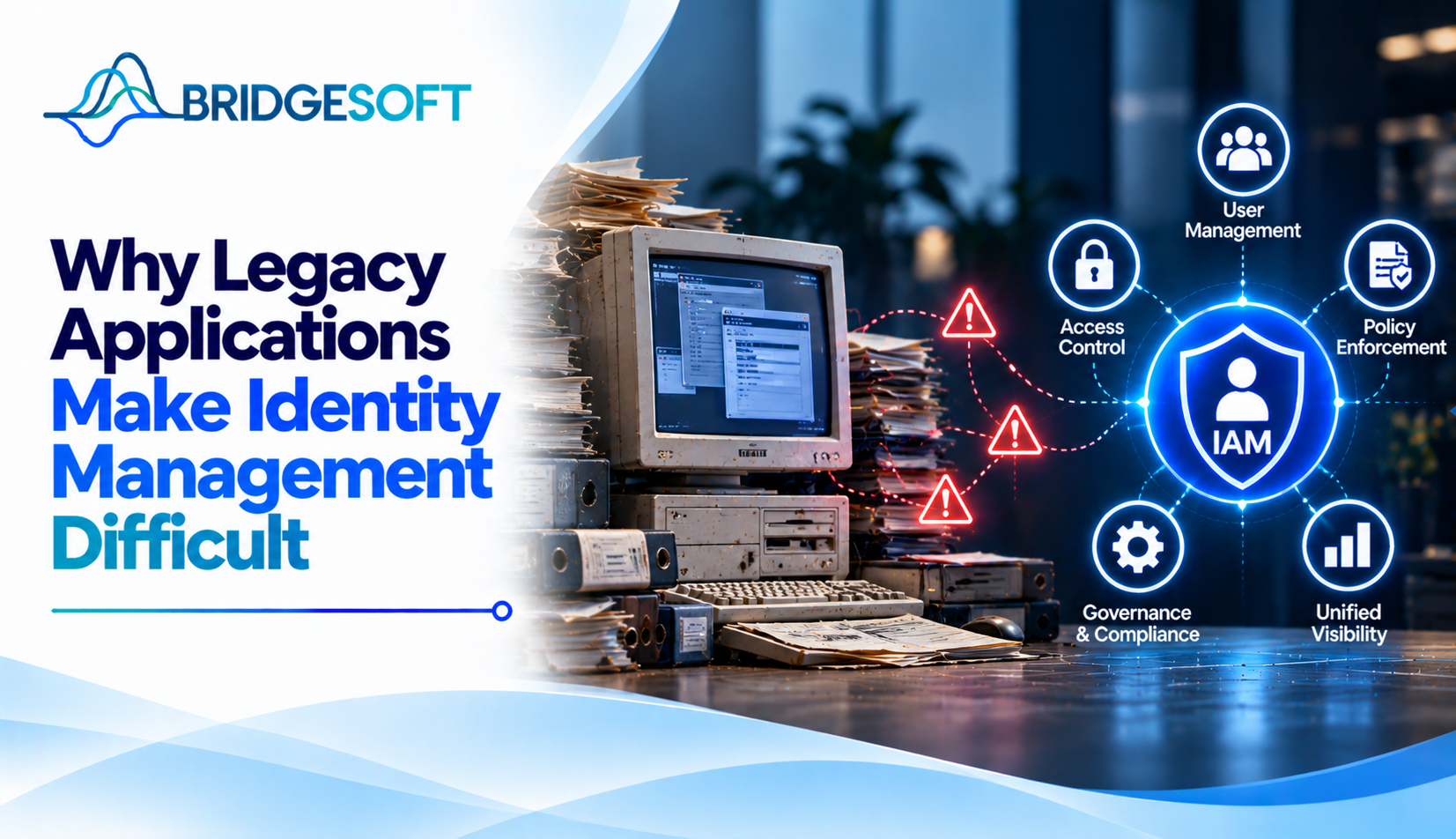
Why Legacy Applications Make Identity Management Difficult
Ask who still has access to your 15-year-old payroll or claims system, and the honest answer is often, “We’d have to check it by hand.” Nobody is being careless. The application was built before centralized identity management existed, and nobody…
-
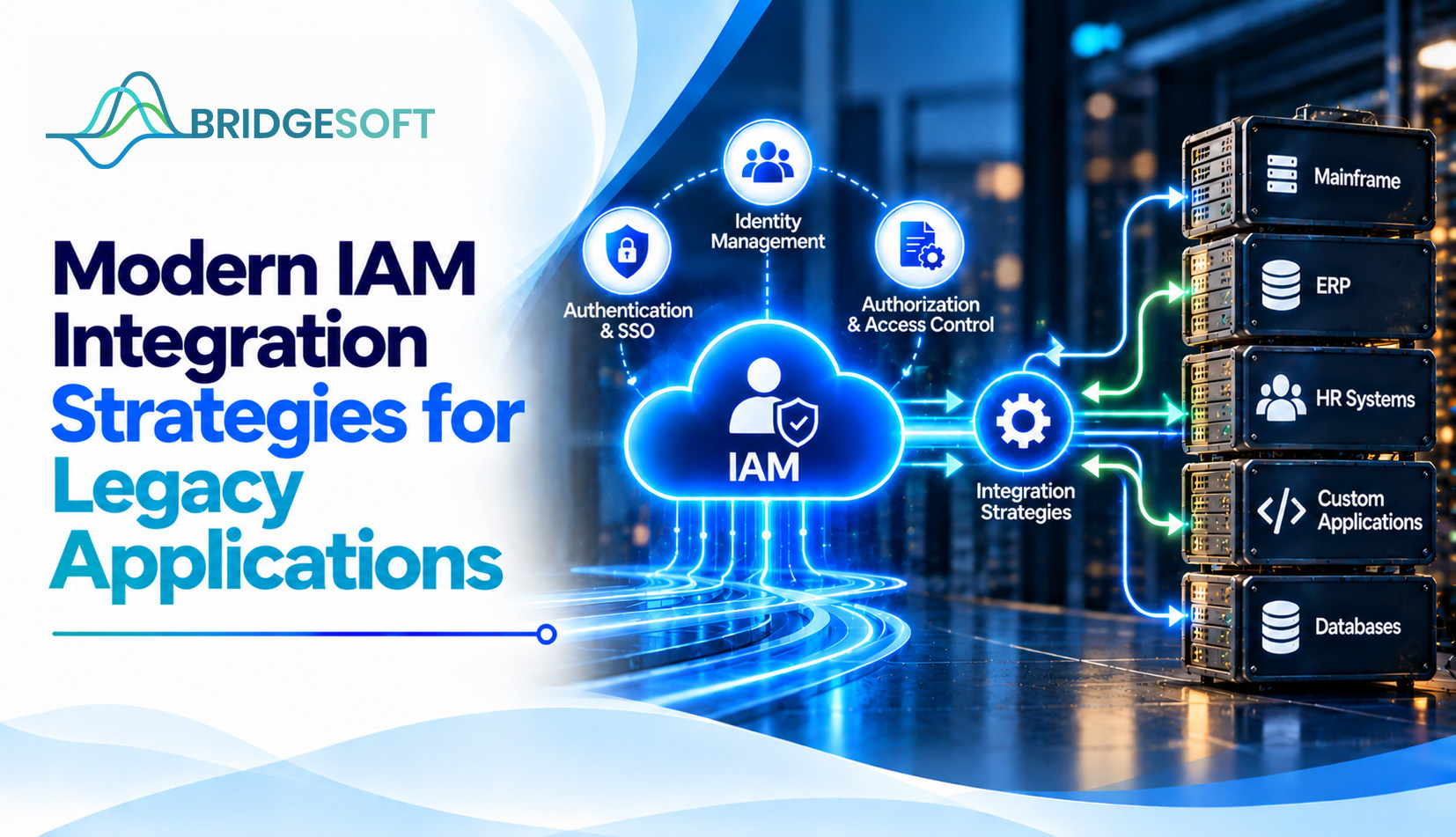
Modern IAM Integration Strategies for Legacy Applications
Legacy applications rarely sit neatly within a modern identity architecture. A finance platform may expose a database, but no API; a manufacturing system may use local accounts; and a business-critical web application may not support current federation standards. The challenge…
-
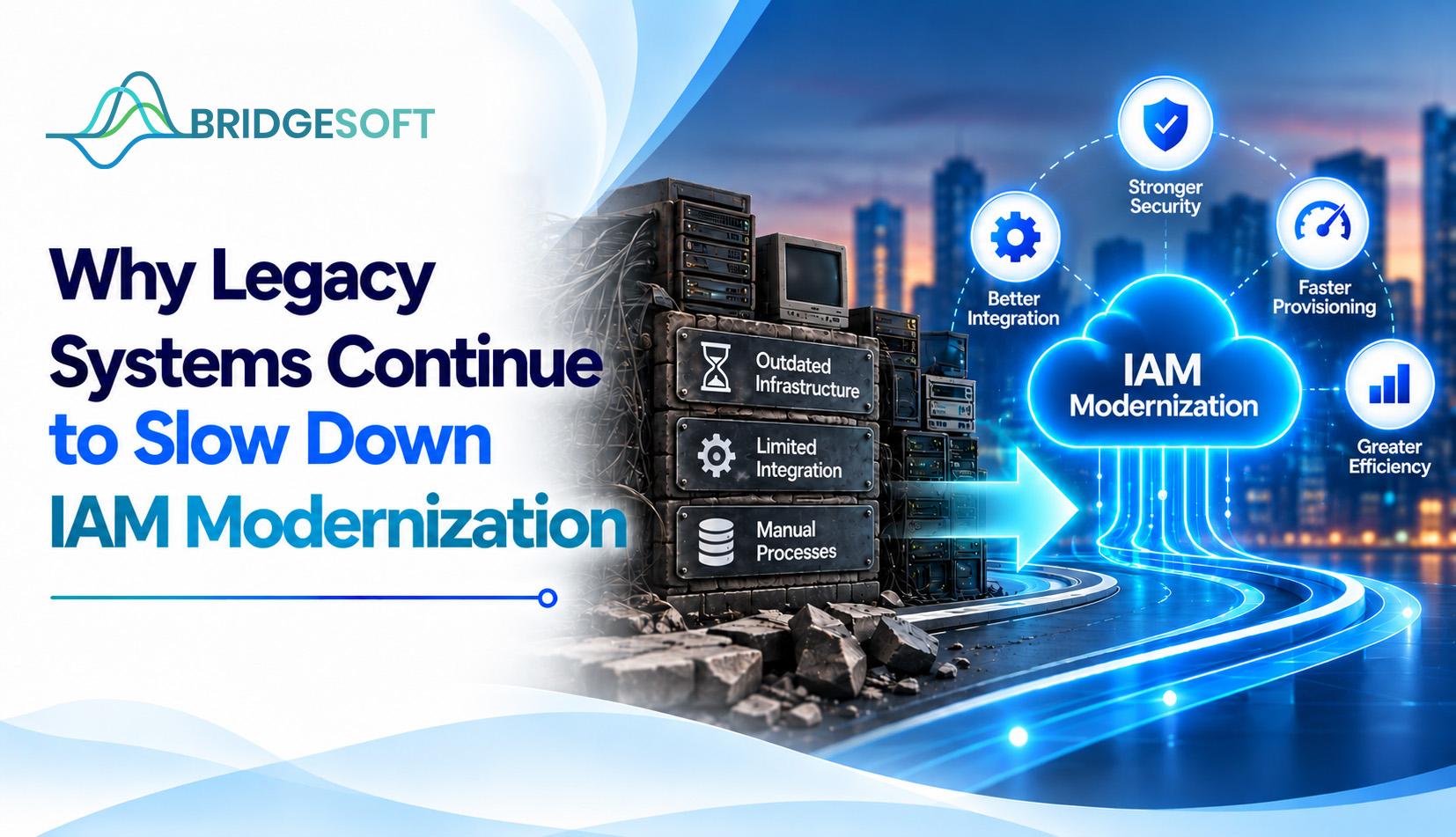
Why Legacy Systems Continue to Slow Down IAM Modernization
Before an audit, a CISO asks a simple question: who still has access to the old finance application? Because the system maintains its own user list, no one owns it anymore, and the individual who created its roles departed years…
-
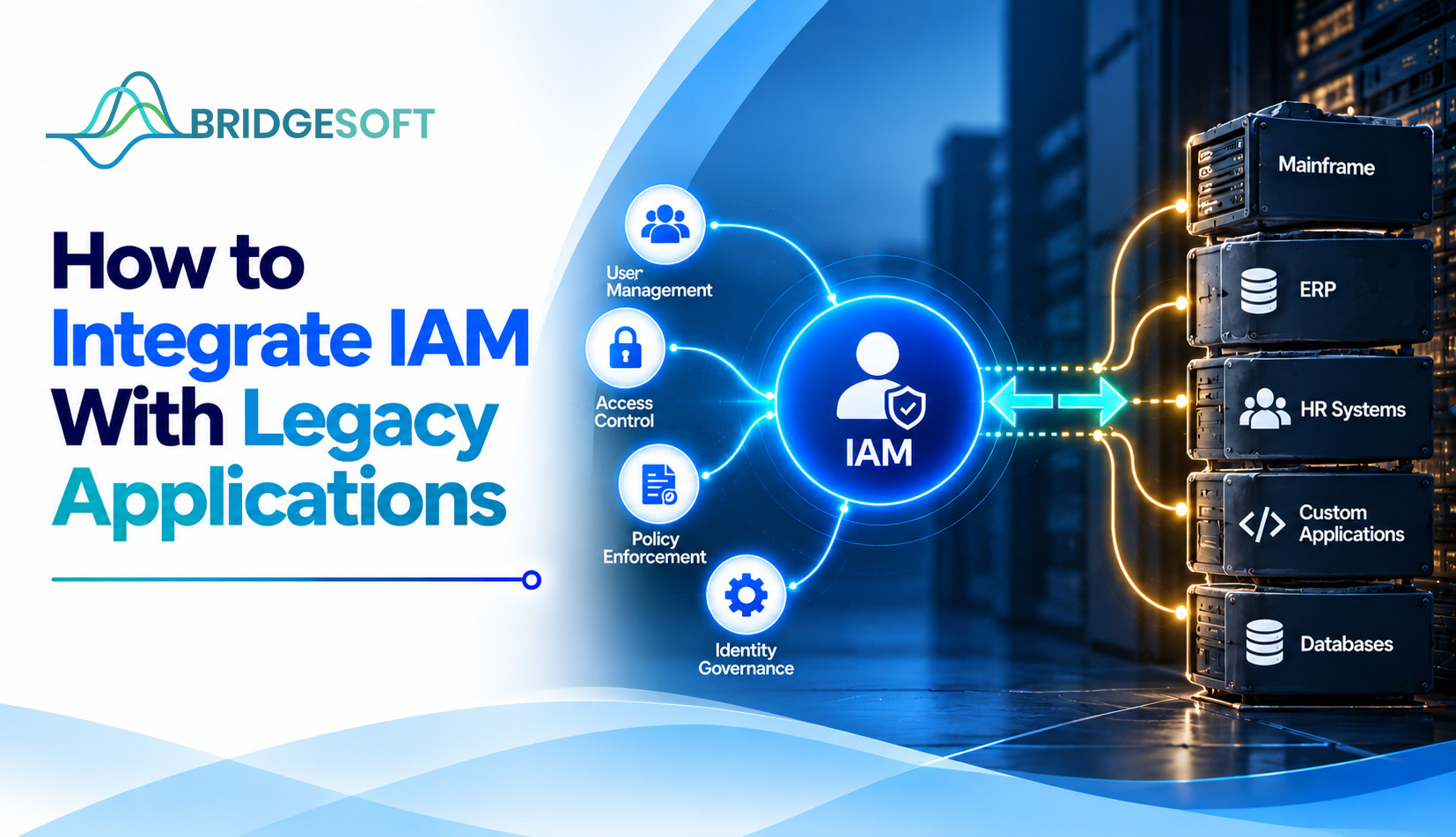
How to Integrate IAM With Legacy Applications
Somewhere in your environment, a 15-year-old application still handles something important, such as payroll, claims, or plant scheduling. It has its own user database and its own passwords. Nobody wants to touch it because nobody is sure what will break…
-
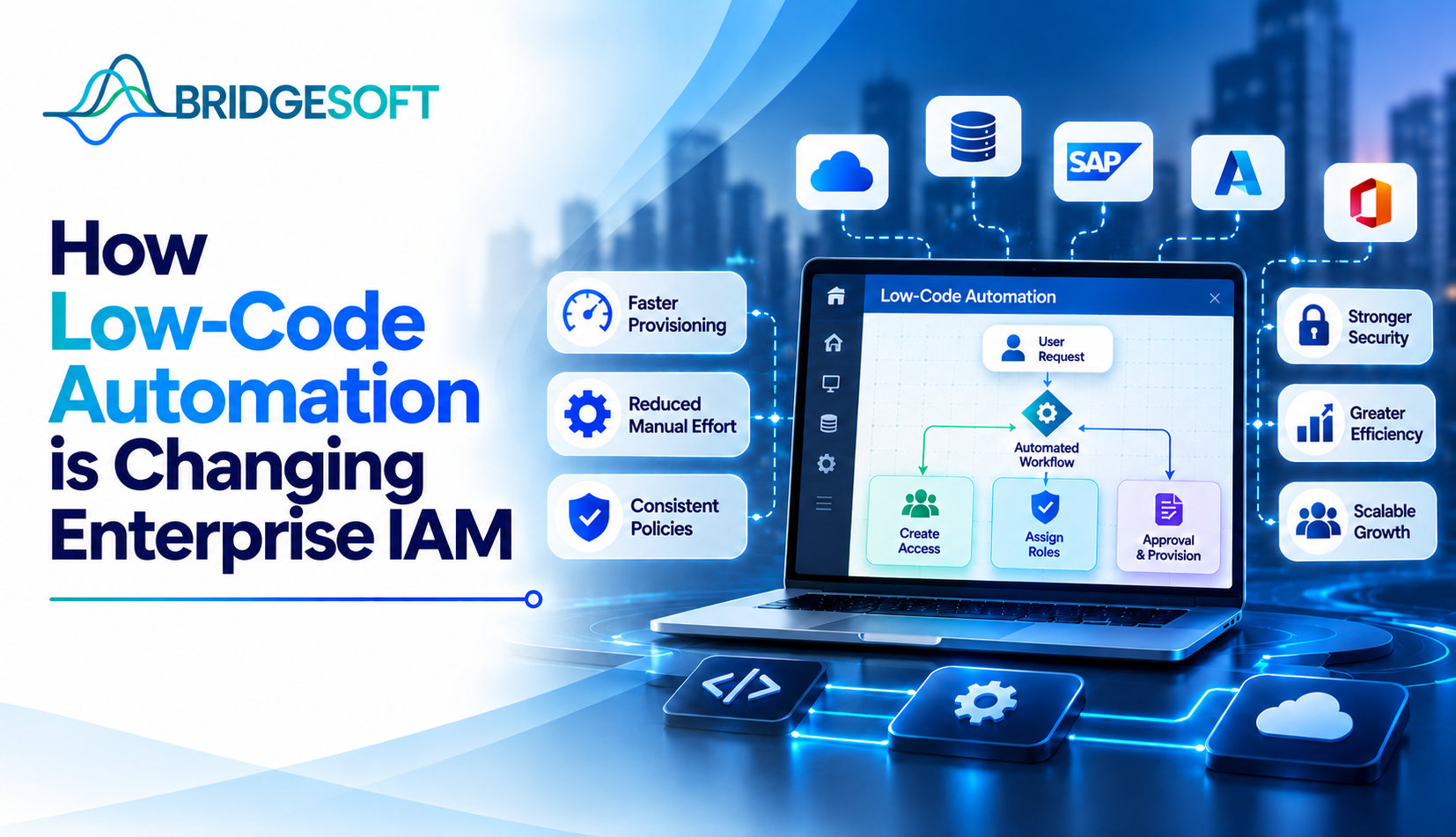
How Low-Code Automation Is Changing Enterprise IAM
A new hire starts on Monday. By Wednesday, she still can’t open the finance system. The IT staff uses a spreadsheet to determine who approves what, and her manager has resubmitted the access request twice. Multiply that by every hire,…
-
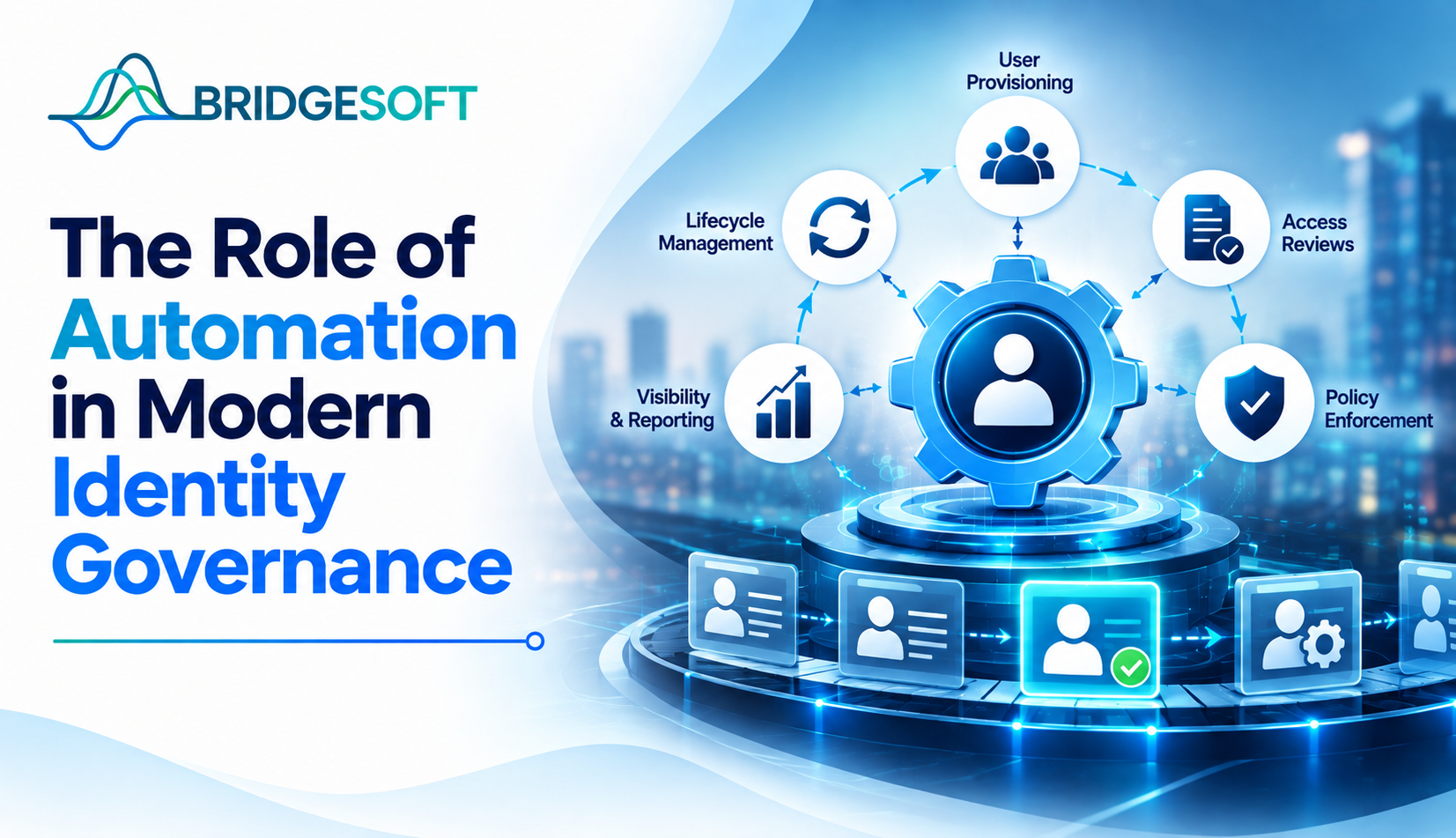
The Role of Automation in Modern Identity Governance
An auditor asks for evidence that every terminated employee lost access within a defined window. The answer lives in a spreadsheet, three ticketing queues, and the memory of one overworked IT administrator. If that sounds familiar, the problem isn’t your…
-
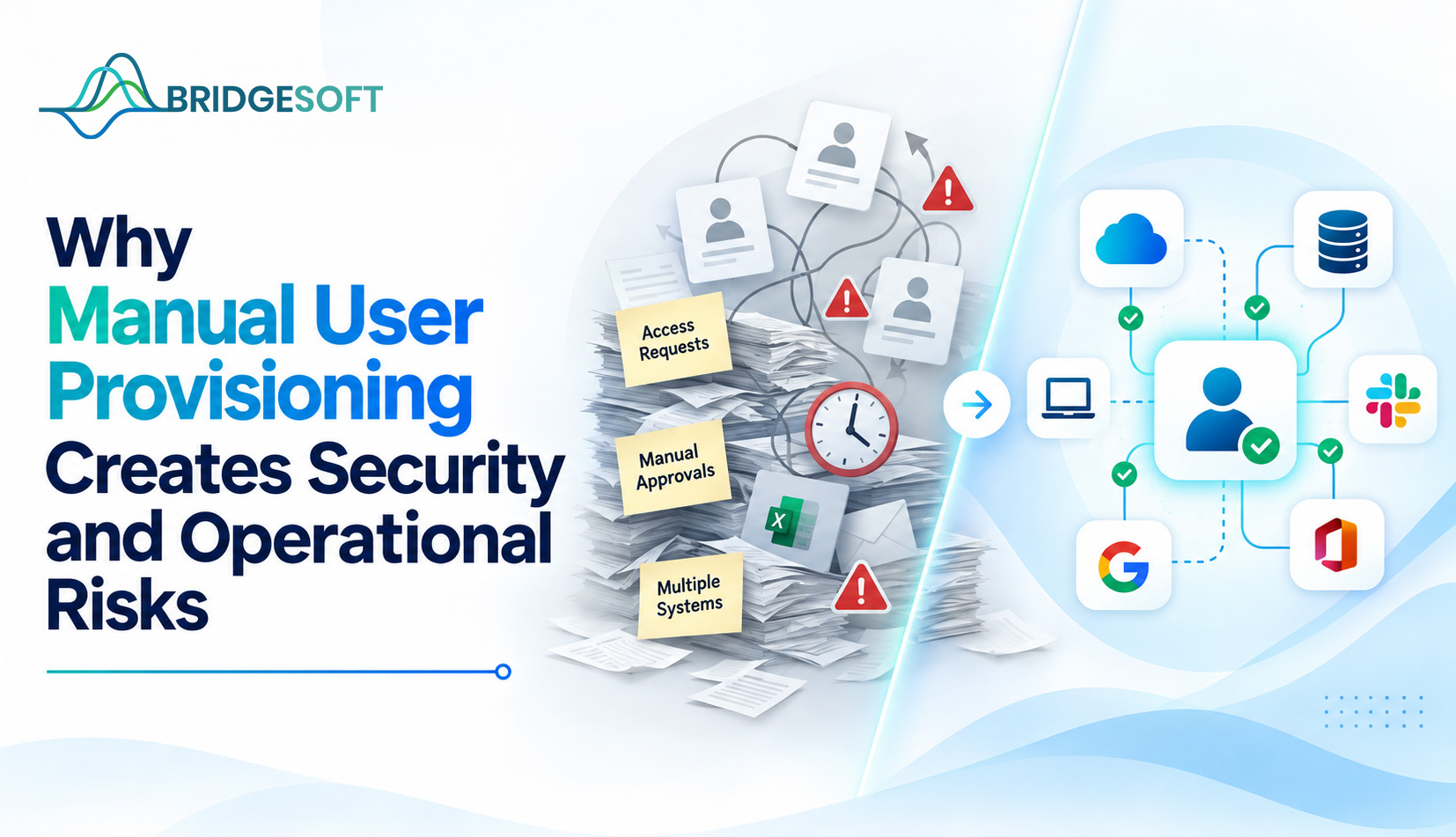
Why Manual User Provisioning Creates Security and Operational Risks
A new hire starts on Monday. By Wednesday, they still can’t access the CRM because their access request is sitting in someone’s inbox behind forty other tickets. Meanwhile, an employee who left the company three months ago still has an…
-
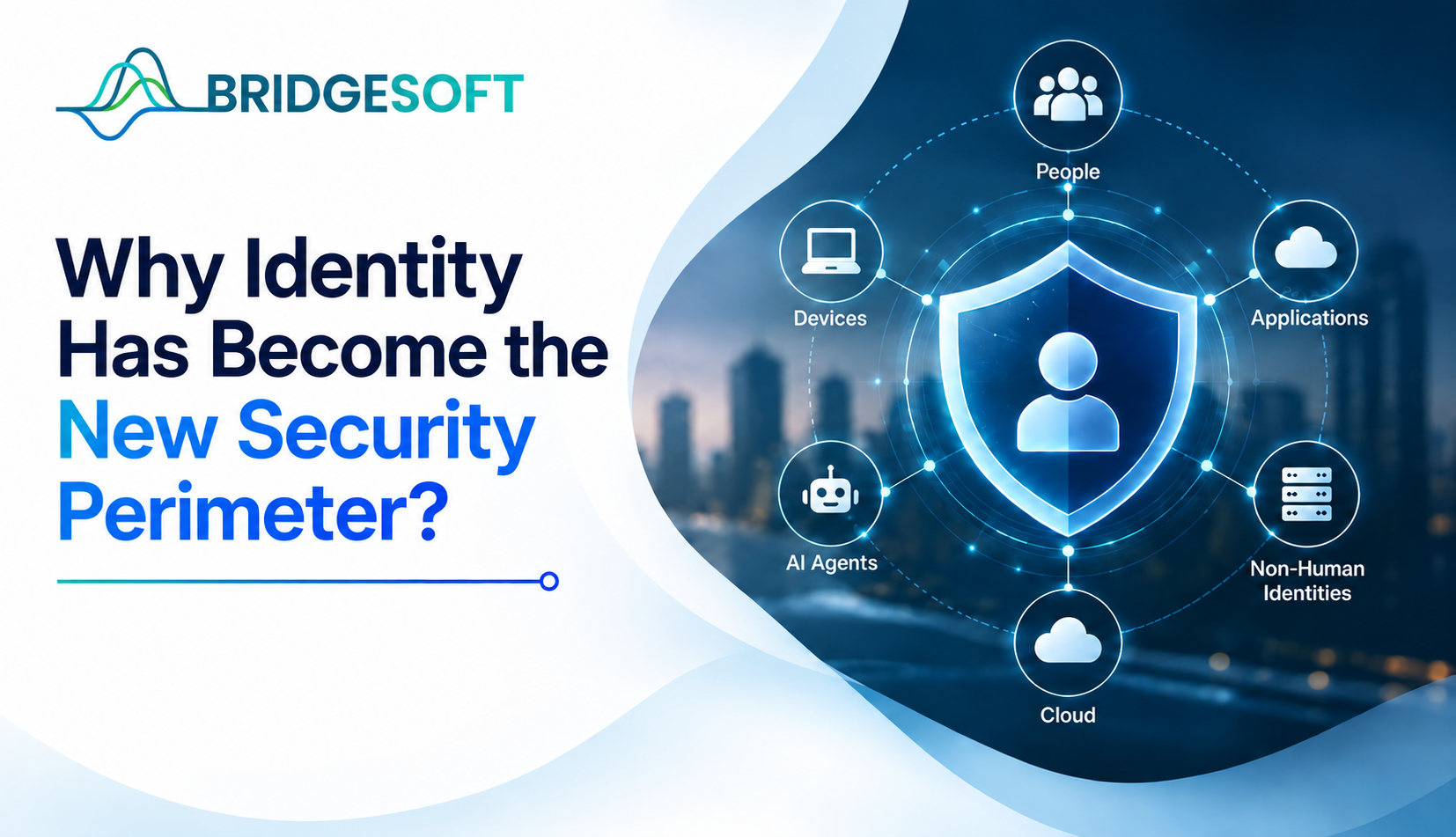
Why Has Identity Become the New Security Perimeter?
A firewall can protect a network boundary. But what happens when employees work from home, applications run across multiple clouds, contractors need temporary access, and software and AI agents automatically interact with business systems? The traditional network perimeter becomes much…
-
What is Access Governance and Why Does It Matter?
An employee moves from marketing to finance. Nobody removes his/her marketing system access because nobody owns that step. Eighteen months later, he/she has standing access to customer campaign data, the finance reporting system, and, because a contractor project briefly needed…