Identity and Access Management (IAM) is no longer just a layer of security—it has evolved into a critical business enabler. From onboarding employees efficiently to ensuring regulatory compliance and enabling secure digital transformation, IAM sits at the heart of modern enterprise operations.

Despite its importance, many organizations struggle with a persistent, often underestimated challenge: slow IAM deployment.

At first glance, implementation delays may appear manageable—just a few weeks added to timelines or minor integration setbacks. However, as these delays accumulate, they begin to create ripple effects across the organization. What starts as a technical delay gradually becomes a business problem, affecting security, productivity, compliance, and overall performance.

To truly understand how to avoid these outcomes, it’s important to first recognize the root causes behind why IAM Projects fail and how organizations can implement IAM successfully with the right strategy.

What Does “Slow IAM Deployment” Really Mean?

Slow IAM deployment is not just about missed deadlines—it often reflects deeper inefficiencies in an organization’s technology and processes.

It can manifest in several ways: delayed employee onboarding, prolonged application integrations, heavy reliance on manual provisioning, and extended implementation cycles that far exceed initial expectations. These inefficiencies are typically rooted in legacy systems, a lack of integration planning, and the absence of a structured implementation roadmap.

Organizations that take the time to build a clear IAM roadmap and prioritize early integration are better positioned to avoid these delays and achieve a more streamlined implementation journey.

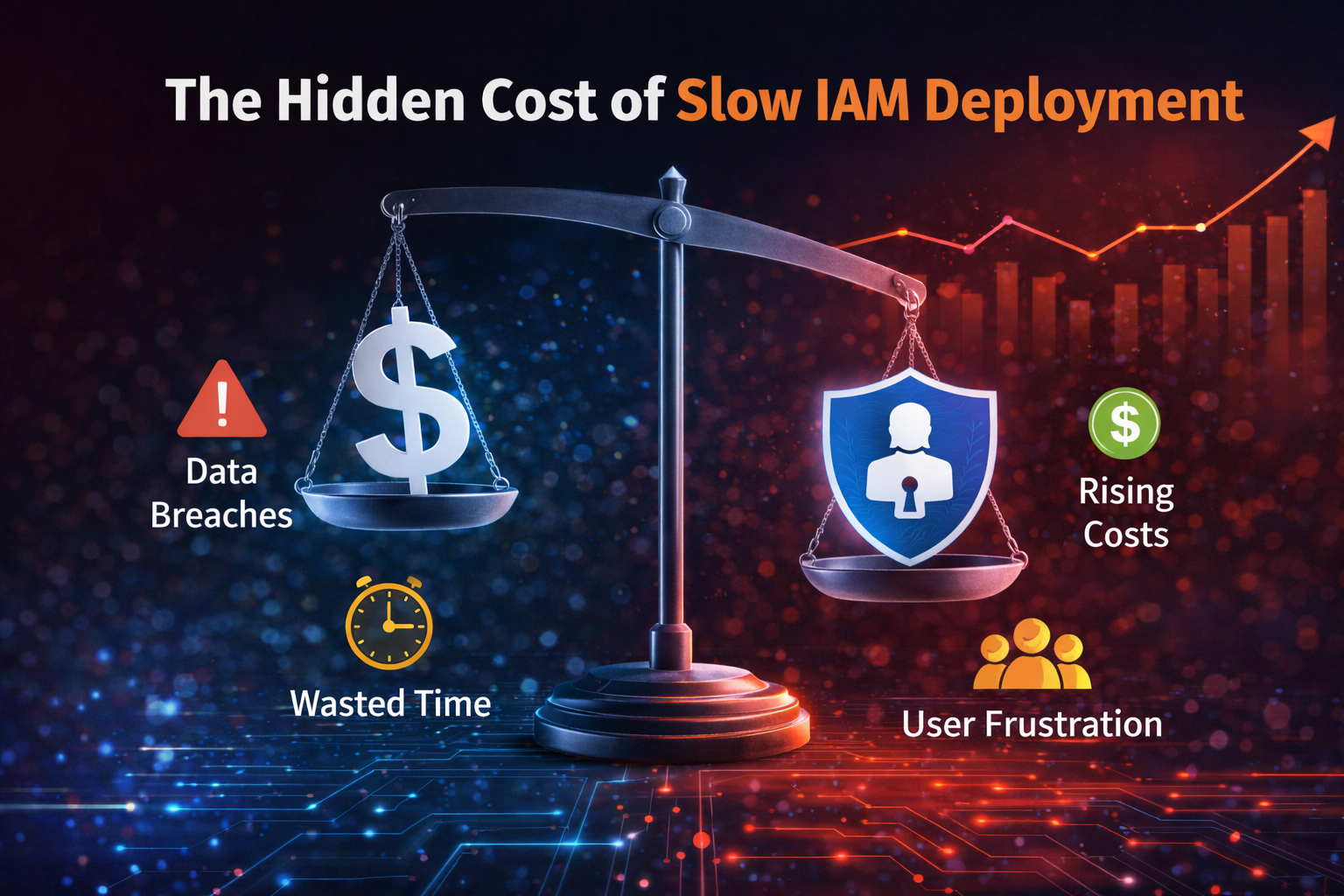
The Hidden Costs of Slow IAM Deployment

Increased Security Risks

One of the most immediate and critical consequences of slow IAM deployment is the increased exposure to security risks. When IAM systems are only partially implemented, users often retain access privileges longer than necessary, and manual errors become more frequent.

Delayed deprovisioning and lack of centralized control create gaps that can be exploited, increasing the likelihood of unauthorized access or data breaches. Over time, these vulnerabilities can have serious financial and reputational consequences for the organization.

Productivity Loss Across Teams

Beyond security, slow IAM directly impacts the day-to-day productivity of employees and teams. When access to applications and systems is delayed, employees are unable to perform their roles efficiently.

IT teams, on the other hand, are often burdened with repetitive manual tasks such as provisioning and access approvals. This not only slows down business workflows but also diverts valuable resources away from more strategic initiatives.

The result is a workplace environment where inefficiencies become normalized, and both employees and IT teams experience growing frustration.

Rising Operational Costs

IAM is often viewed as a long-term investment in security and efficiency. However, when deployment is slow, it begins to behave more like an ongoing operational expense.

Delays lead to extended development efforts, continuous rework, and increased reliance on manual processes. Organizations may find themselves allocating additional resources to maintain incomplete systems, driving up costs without delivering proportional value.

In such scenarios, the true cost of IAM is not in its implementation—but in its delay.

Compliance and Audit Challenges

IAM plays a central role in maintaining regulatory compliance and ensuring audit readiness. When implementation is delayed, organizations struggle to establish complete audit trails, enforce access governance policies, and generate consistent reports.

These gaps can lead to compliance failures, especially in highly regulated industries where visibility and accountability are critical. The longer the IAM deployment is delayed, the more difficult it becomes to meet regulatory requirements and avoid potential penalties.

Delayed Digital Transformation Initiatives

IAM is a foundational component for broader digital transformation efforts, including cloud adoption, automation, and Zero Trust security models.

When IAM deployment is slow, it creates a bottleneck that impacts these initiatives. Organizations may find themselves unable to move forward with modernization efforts because the underlying identity infrastructure is not yet mature.

In this way, IAM delays do not just affect security—they slow down the organization’s ability to innovate and compete in a digital-first world.

Poor User Experience and Shadow IT

In today’s fast-paced work environment, users expect seamless and immediate access to the tools they need. Slow IAM processes, however, often lead to login issues, access delays, and inconsistent user experiences.

When employees are unable to access systems efficiently, they may turn to unauthorized tools or workarounds—leading to the rise of shadow IT. This not only undermines security but also creates additional governance challenges for the organization.

Integration Bottlenecks with Legacy Systems

A major contributor to slow IAM deployment is the difficulty of integrating with legacy systems. Many enterprises operate with outdated platforms that lack modern APIs or standardized integration capabilities.

In today’s hyper-connected enterprise ecosystem, identity has quietly become the new control plane for security.

Organizations no longer operate within a single application environment. Instead, they rely on a constantly expanding mix of cloud platforms, SaaS tools, legacy systems, APIs, partner portals, and hybrid infrastructures. While this digital expansion has accelerated innovation, it has also introduced a growing identity challenge — one that traditional Identity and Access Management (IAM) systems were never designed to handle.

According to recent Gartner IAM roadmap insights, the future of enterprise security lies not in deploying more IAM tools, but in integrating identity across the entire digital landscape. This is where the concept of Identity Integration Platforms begins to reshape how modern organizations approach IAM.

The Problem with Fragmented IAM Architectures

Over the past decade, enterprises have adopted multiple identity solutions to address different needs:

While each of these tools solves a specific problem, they often operate in silos — resulting in fragmented identity governance across the enterprise.

This leads to:

In industries like aviation and gaming — where Bridgesoft IAM solutions are increasingly being deployed — managing identity across legacy reservation systems, operational platforms, third-party APIs, and cloud-native applications has become particularly complex.

The traditional IAM approach simply doesn’t scale in these environments.

We feel the Gartner IAM Roadmap is Evolving

Gartner IAM roadmap now emphasizes a shift from standalone identity management tools toward integrated identity ecosystems that can unify authentication, authorization, and governance across diverse technology stacks.

Rather than managing identity at the application level, organizations are being encouraged to treat identity as an integration layer — connecting:

This shift reflects a broader move toward identity-first security models, where access decisions are made dynamically based on context, risk signals, and policy orchestration across platforms.

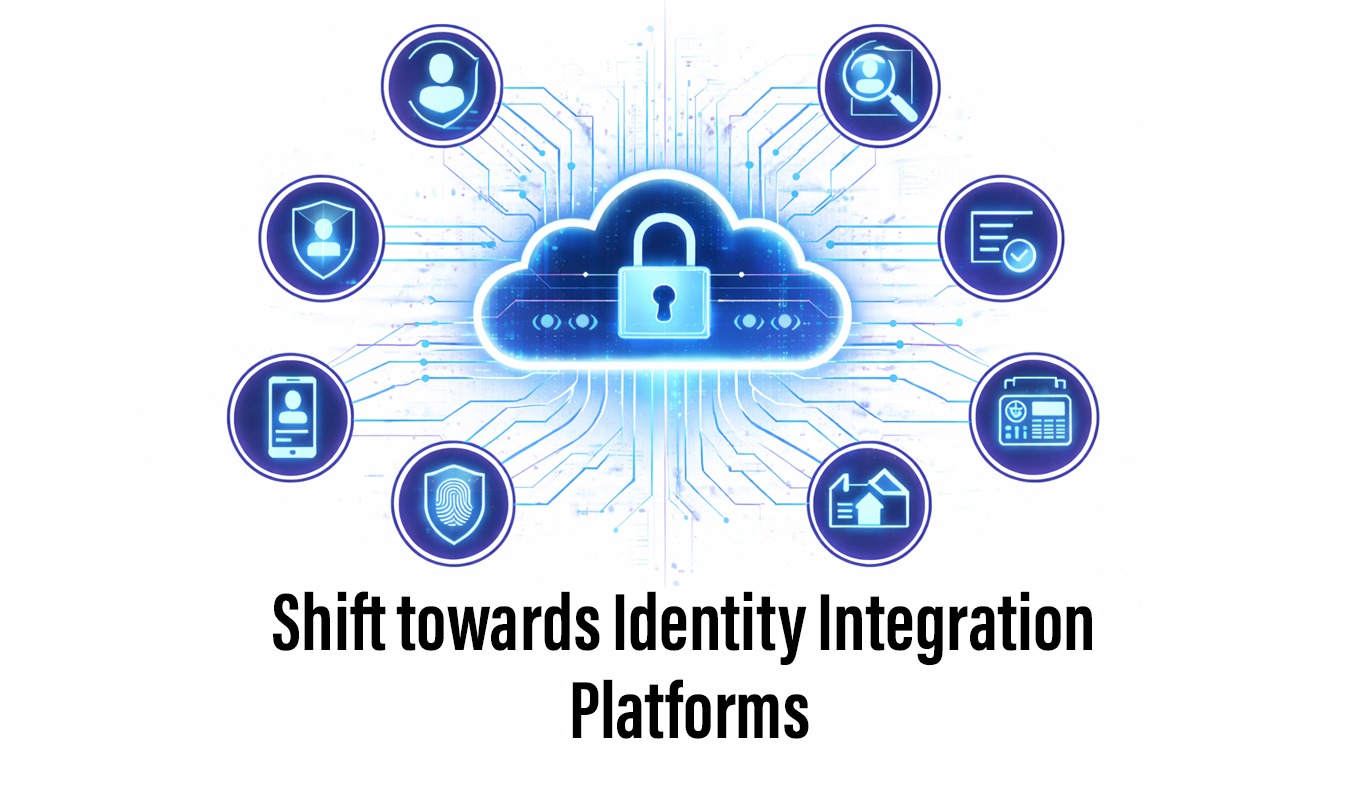
Enter Identity Integration Platforms

Identity Integration Platforms are designed to bridge the gap between fragmented IAM deployments and modern enterprise infrastructure.

Instead of replacing existing IAM investments, these platforms enable organizations to:

This approach allows enterprises to unify identity operations without disrupting mission- critical systems, which are a crucial requirement for sectors that depend on continuous availability and compliance.

Why This Matters Now

As enterprises continue their digital transformation journeys, identity is becoming deeply embedded in every business transaction — from employee onboarding and customer logins to partner integrations and machine-to-machine communications.

Managing these identities in isolation is no longer sustainable.

By aligning with Gartner IAM trends and adopting Identity Integration Platforms, organizations can:

Looking Ahead

The future of IAM is no longer about managing identities within applications — it's about integrating identity across ecosystems.

Identity Integration Platforms represent the next phase of the IAM evolution, enabling enterprises to move from fragmented identity management toward a unified, policy-driven identity fabric.

As organizations revisit their IAM roadmap considering Gartner’s strategic direction, investing in identity integration may well become the foundation for scalable, secure digital growth.

Gartner, Develop an IAM Program Roadmap to Deliver Business Value, Steve WesselsRebecca ArchambaultBrian Guthrie, 2 September 2025. 

GARTNER is a registered trademark and service mark of Gartner, Inc. and/or its affiliates in the U.S. and internationally and is used herein with permission. All rights reserved.

Bringing New Life to Identity and Access Management In our current digital world, safety matters, and so does speed. Identity and Access Management (IAM) has become important.

Bridgesoft is leading in the IAM realm, giving special attention to Identity Governance and Administration (IGA).

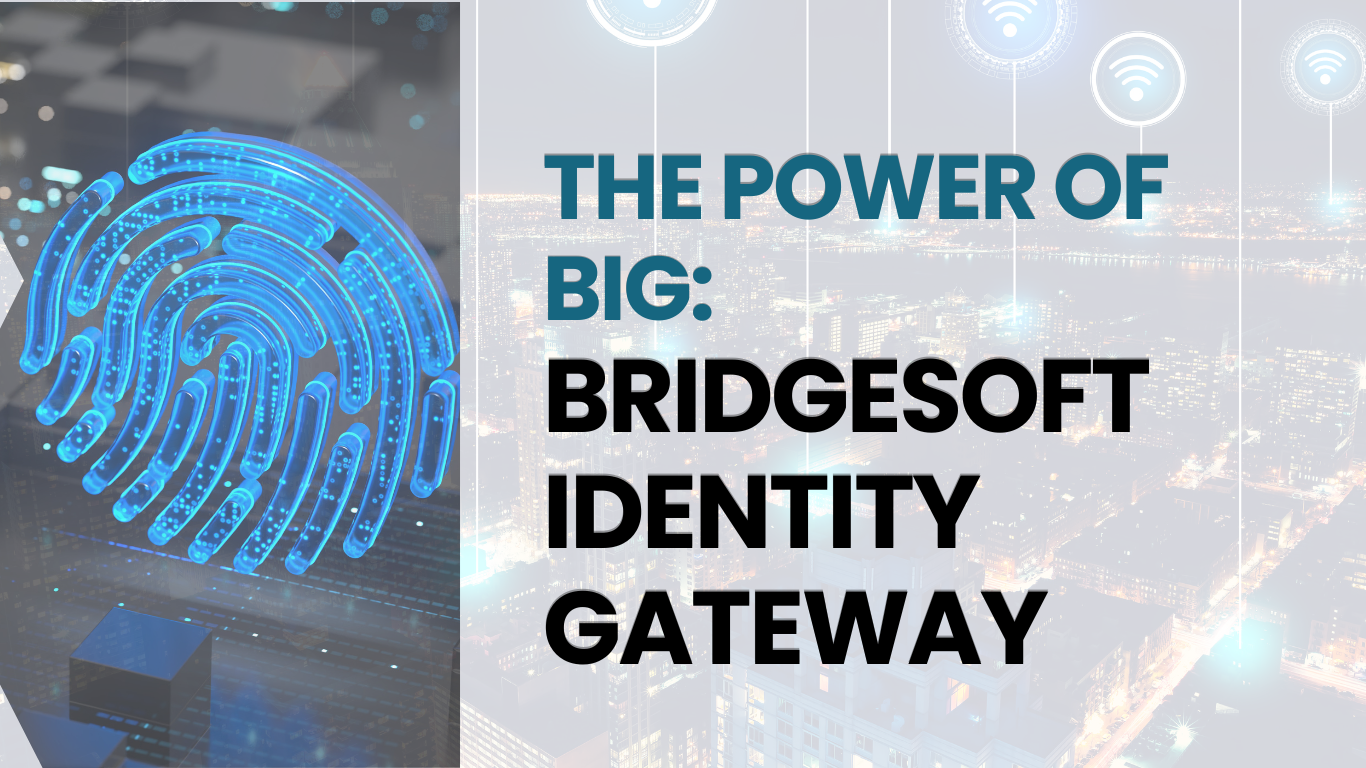
The Magic of BIG:

Bridgesoft Identity Gateway is an amazing tool. This connects Identity Providers (IDPs) with apps. It's great for older systems that may not use modern protocols like­ SAML or OIDC.

BIG helps organizations to:

Speed up App Integration: Adding new applications to the IAM landscape can now be done faster and easier.

Boost Security: Enforce strong authentication and keep out unwanted access.

Smooth IAM Processes: Automate eve­ryday tasks, improving operations. A Band of IAM Gurus A crew of capable identity enginee­rs drives Bridgesoft's triumph.

These pros, with deep IAM know how, deliver customized solutions for each organization.

 The Bridgesoft Advantage

Cutting-Edge Tech: Bridgesoft uses the hottest tech available to deliver IAM solutions that are good to grow and can be trusted.

Deep Industry Insight: Bridgesoft knows the rules and helps organizations navigate IAM.

Customer Centric Attitude: Focused on building lasting friendships with clients, ensuring top-notch help and service.

Revamping Your IAM Landscape Collaborating with Bridgesoft lets organizations:

Upgrade Old Systems: Improve security.

Simplify IAM Tasks: Automate efforts, lessen errors. Boost User Experience: Deliver a simple and safe user journey.

Strengthe­n Security: Keep important data safe and reduce chances of risks.

Achieve Consistency: Meet industry standards.

The Next Generation of IAM, As our digital arena grows and changes, the need for solid IAM solutions will go up. Bridgesoft is geared up and ready to take on these hurdles. By backing change, maintaining strong bonds, and offering top solutions, they are committed to help organizations achieve IAM victory.

Ending Note Bridgesoft's out-of-the box approach to IAM, together with their team of gurus, enables organizations to modernize their IAM landscapes, beef up security, and streamline tasks. If you want to level up your IAM game, think about teaming up with Bridgesoft.

Contact us today to learn more about how Bridgesoft can help you achieve your IAM goals

Bridgesoft is a leading provider of technology, consulting, and information security management solutions. Bridgesoft's products and services cover a range of areas from physical and logical access and identity management to security risks and threats.
Copyright 2026 Bridgesoft. All rights reserved.
cloud-checklockcogeyeenterpictureuserstorecartmap-markersmartphonelaptop-phonerocketbuscrossmenuplus-circle