In today’s digital-first economy, customer identity has become one of an organization’s most valuable assets. Whether customers are accessing online banking services, healthcare portals, e-commerce platforms, or SaaS applications, they expect secure, seamless, and personalized experiences. At the same time, organizations must protect sensitive customer information, comply with evolving privacy regulations, and defend against increasingly sophisticated identity-based threats.
Customer Identity and Access Management (CIAM) is essential in this situation. A modern CIAM solution enables organizations to securely manage customer identities while delivering frictionless digital experiences that build trust and long-term engagement.
Unlike traditional workforce identity systems, Customer IAM is designed to manage millions of external users across websites, mobile applications, customer portals, and digital services. A poorly chosen solution can result in security gaps, customer frustration, compliance challenges, and costly future migrations.
The right platform should strengthen security without creating barriers for legitimate users. It should also support business growth by making identity management scalable, flexible, and future-ready.
1. Prioritize Customer Experience
Usability should never be sacrificed for security. Customers expect quick registration, simple login experiences, and seamless access across multiple devices.
Look for a Customer Identity Management solution that supports:
Reducing friction during authentication can improve customer satisfaction, increase user retention, and reduce abandoned registrations.
2. Evaluate Authentication and Security Capabilities
Identity attacks continue to evolve, making strong authentication a foundational requirement.
An effective CIAM solution should include:
Modern security approaches should intelligently balance protection with convenience, allowing organizations to respond dynamically to changing risk levels.
3. Ensure Scalability for Business Growth
As organizations expand their customer base, identity platforms must be able to scale without compromising performance.
Ask potential vendors:
A scalable Customer Identity Platform helps organizations avoid costly infrastructure changes as digital services continue to grow.
4. Look for Flexible Integration Capabilities
Customer identity rarely operates in isolation. It must integrate seamlessly with existing business applications and digital ecosystems.
An ideal platform should support integration with:
Organizations should also consider solutions that simplify integrations through modern APIs, standards-based protocols, and pre-built connectors to accelerate deployment.
5. Assess Privacy and Compliance Features
Privacy regulations continue to evolve across global markets. Organizations need a customer Identity Management solution that supports regulatory compliance while giving customers greater control over their personal information.
Evaluate whether the platform provides:
Strong privacy capabilities help reduce compliance risks while strengthening customer trust.
6. Consider Identity Governance and Lifecycle Management
Managing customer identities goes beyond authentication. Organizations also need visibility into how identities are created, updated, maintained, and secured throughout their lifecycle.
Look for capabilities such as:
Integrating identity governance into customer identity strategies helps organizations maintain better control over digital identities while reducing operational complexity.
7. Evaluate Vendor Experience and Long-Term Value
Technology capabilities are important, but so is the vendor’s ability to support long-term success.
Before deciding, consider:
Selecting a strategic technology partner ensures your organization can adapt as customer expectations and security requirements continue to evolve.
Beyond Features: Focus on Business Outcomes
The best Identity Management Software should not only secure customer identities but also help organizations achieve measurable business outcomes.
A well-designed CIAM strategy can:
In the end, the ideal solution should create value for businesses and their clients by coordinating security goals with business expansion.
Choosing a customer Identity and Access Management system is an important business decision that impacts security, customer experience, operational effectiveness, and future innovation. Rather than focusing solely on feature comparisons, organizations should evaluate how well a platform supports their long-term digital identity strategy.
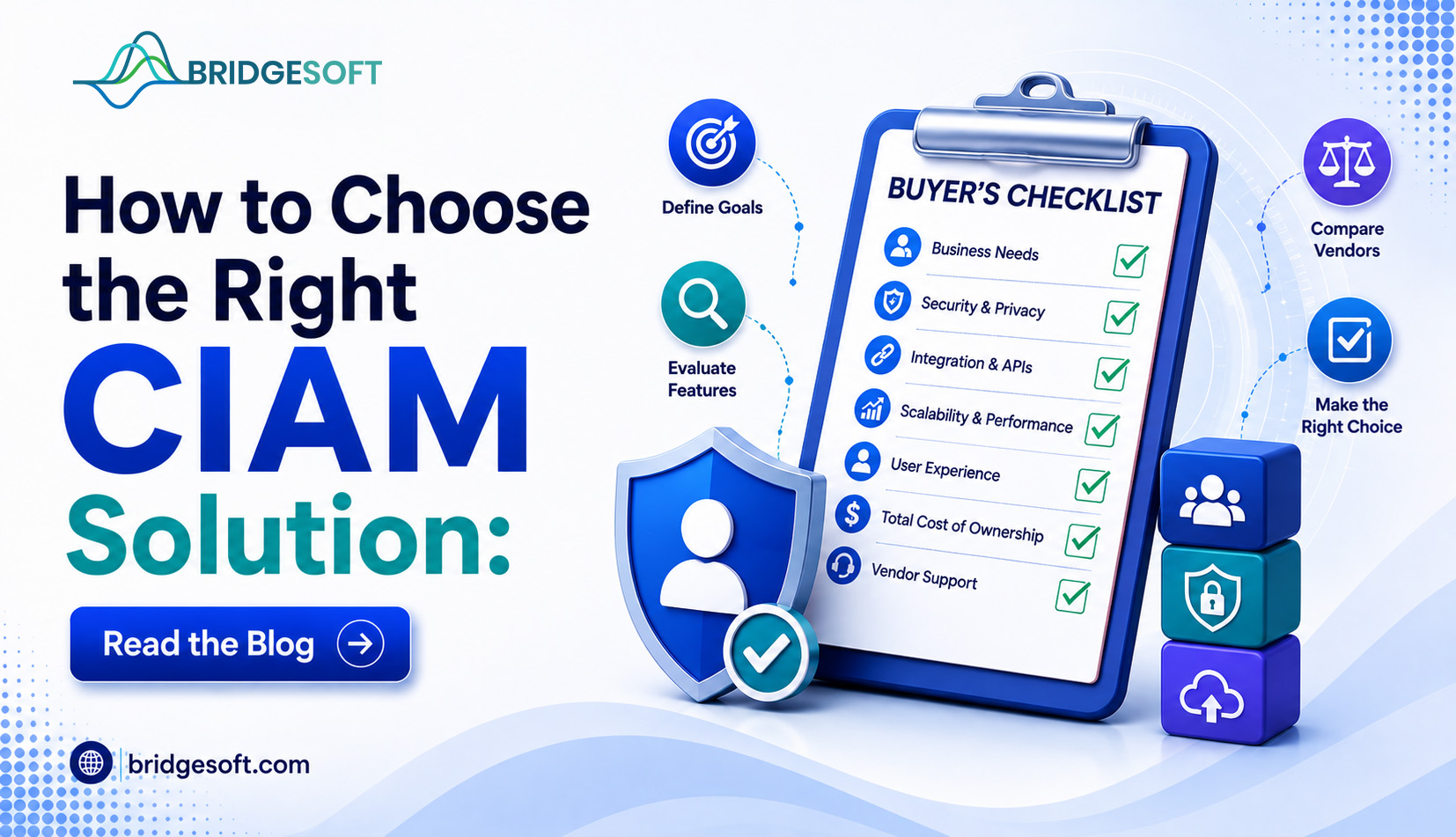
By using a structured evaluation checklist, decision-makers can compare vendors more effectively and identify solutions that deliver both immediate value and long-term flexibility.
If your organization is currently evaluating Customer IAM platforms, having an objective framework can make the selection process significantly easier.
Download the Gartner® Buyers Guide for Customer Identity and Access Management
Selecting the right CIAM solution requires careful evaluation of security capabilities, scalability, customer experience, governance, and integration flexibility.
