Author: Bridgesoft
-
IAM Roadmap for Enterprises
In today’s digital enterprise, managing who has access to what is no longer just an IT task—it’s a critical business priority. With organizations operating across cloud platforms, legacy systems, SaaS applications, and remote work environments, Identity and Access Management (IAM) has become the backbone of enterprise security. However, many organizations struggle with fragmented identity systems,…
-
Building an Enterprise IAM Roadmap
Introduction As digital enterprises continue to expand their technology ecosystems across cloud, on-premises, and hybrid environments, managing user identities and access is becoming an increasingly important component of enterprise security strategy. According to industry reports, organizations implementing a structured Identity and Access Management (IAM) strategy are significantly better positioned to reduce insider threats, improve audit readiness, and accelerate application onboarding. This…
-
Zero Trust Real Talk Implementing Practical Identity Strategies
The term “Zero Trust” has become a mainstay in cybersecurity conversations, yet it’s often misunderstood or misapplied. At its core, Zero Trust is a security model built on the principle of “never trust, always verify.” It assumes that threats can exist both outside and inside the network and that no user or system should be…
-
The Rise of Machine Identities securing Non-Human Actors in a Digital First World
Digital transformation has reshaped how businesses operate, and with it, the concept of identity has evolved. No longer limited to human users, today’s enterprises rely on machine identities non-human entities that authenticate, communicate, and execute critical workflows. From cloud workloads and DevOps pipelines to IoT devices and AI driven automation, machine identities now outnumber human users in many organizations. Yet, despite their growing…
-
The Identity Security Wake-Up Call: Why IAM Is More Than Just IT
In recent years, the strategic role of Identity and Access Management (IAM) has undergone a dramatic transformation. Once viewed primarily as a back-office function confined to IT departments, identity is now central to the success of digital business initiatives, cybersecurity strategies, and regulatory compliance efforts. This evolution has been driven by a convergence of forces:…
-

Where User Experience Meets Cybersecurity
We’ve all been there, right? That frustrating dance between getting our work done and navigating the labyrinth of cybersecurity. Organizations are rightly strengthening their digital defenses, but it often feels like every new security measure another authentication step, an extra access form, a policy update – adds friction. While these steps are designed to boost…
-
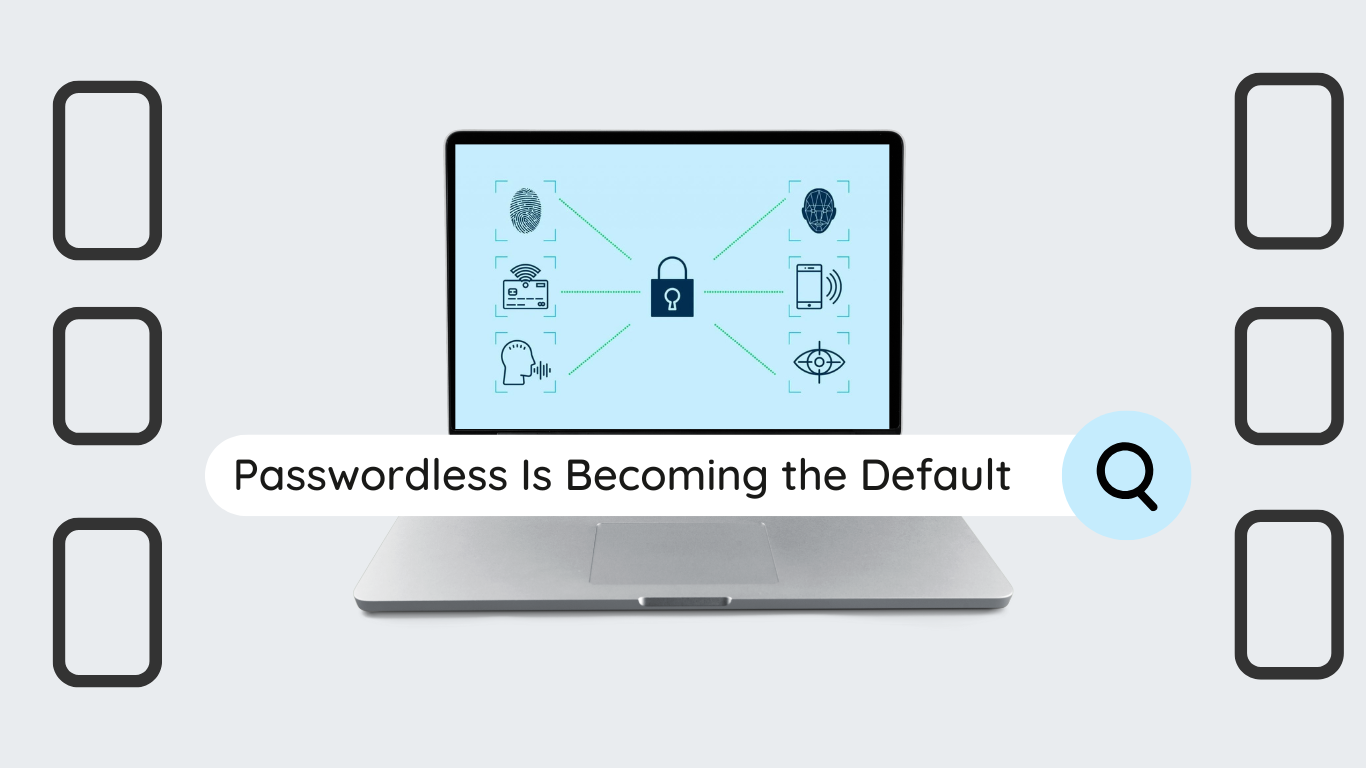
The Next Frontier of Identity and Access Management (IAM)
Identity is no longer a background function. It’s a strategic driver of security, user experience, digital transformation, and even competitive advantage. As cloud adoption, remote work, and regulatory demands reshape the enterprise, identity has emerged as the control plane for the modern organization. But this landscape is far from static. The next evolution of identity…
-
Securing Identity Across Multi-Cloud and Hybrid Environments
As cloud adoption continues to accelerate, identity has become one of the most critical and complex components of enterprise security. Organizations are no longer relying on a single cloud provider or data center; instead, they are operating in multi-cloud and hybrid environments that span public clouds, on-premises systems, SaaS platforms, and legacy infrastructure. This fragmented…
-
Identity Governance in Mergers and Acquisitions – A Hidden Risk
Mergers and acquisitions (M&A) are often positioned as growth catalysts — opportunities to enter new markets, acquire talent, expand offerings, or streamline operations. But while financials, legal exposure, and cultural alignment often dominate the M&A due diligence process, one critical area is frequently overlooked: identity governance. When two organizations join forces, their IT ecosystems must…